


Commentary
- May 20, 2026
- Commentary: Agricultural 'roadmap' to guide research priorities
-
By David Still
California farmers and ranchers are concerned about their ability to stay in business. The challenges—from a complex regulatory environment to rising costs of inputs, climate change and labor availability—are both persistent and intensifying.

David Still While it can be hard to think about the years and decades ahead when entrenched in the issues of today, investment in research and innovation is the key to overcoming current challenges while building opportunity for tomorrow.
The recently released California Agricultural Research & Innovation Roadmap is a deliberate strategic framework designed to guide and accelerate scientific discovery, commercialization and the real-world adoption of next-generation solutions. It is more than a document; it is a blueprint for action.
For those of us in the academic community, it represents a commitment to improving research efficiency across our institutions. Through greater collaboration, we can more effectively bridge the critical gaps that stand between a lab discovery and a field solution. In addition, this roadmap ensures that resources are focused on the highest-priority challenges facing our producers.
The roadmap was developed by a handful of critical partners, including the California Department of Food and Agriculture, University of California Agriculture and Natural Resources, California State University Agricultural Research Institute, California community colleges, Western Growers and California AgTech Alliance.
 It provides both a long-term focus via 10-year research priorities identified in collaboration with all partners and near-term solutions through innovation priorities, spearheaded by the California AgTech Alliance and updated every two years.
Research priorities identified in the roadmap include: climate resilience and environmental sustainability; water management, use efficiency and quality; integrated pest and disease management; food safety and consumer health; technology, automation and data-driven farming; and economics, policy and adoption pathways.
Together, the research priorities represent critical areas to maintain productivity, resilience and economic viability across California’s diverse agricultural systems, from a family farm in the Central Valley to the largest agribusiness.
For the Agricultural Research Institute, this roadmap is an extension of our mission to drive research that doesn’t just sit on a library shelf but delivers real-world impact. To turn this mission into action, we are prioritizing our core funding for research that directly addresses high-priority gaps identified in the roadmap, such as water management, automation and climate resilience.
We are also launching a new “collaborative innovation grant” to fund multi-institutional teams. The grants will require partnerships between at least two systems (for example, CSU and UC ANR) and an industry partner, while ensuring a clear pathway to improving economic efficiency and productivity.
Furthermore, we are committed to continuously evaluating and adapting our curricula. While much of the necessary training is already in place, we must ensure our courses remain aligned with the rapidly evolving needs of the industry. This is where ongoing industry feedback is invaluable, helping us refine the discipline-specific skills and critical thinking necessary for the next generation to succeed.
A prime example of this is the $9.5 million Agricultural Research Institute-NextGen program, an initiative funded by the U.S. Department of Agriculture specifically designed to equip CSU students with the technical expertise and problem-solving abilities required to lead in a high-tech agricultural landscape.
Accountability is a core principle of the research institute, and accountability is built into the roadmap. Each participating institution has committed to turning this roadmap into action, with each entity doing its part to move from ideas to implementation and experimentation to adoption and widespread impact. Not only have partners committed to action, but they have also committed to measuring impact through key performance indicators. That said, this roadmap is a living document—one that requires constant refinement to stay relevant.
At the Agricultural Research Institute, we will continue to actively seek industry feedback and direction, ensuring that our work stays aligned with the everyday challenges of the agricultural community. At the end of the day, we want to do the research the industry both wants and needs. The only way to truly know what is wanted and needed is to maintain a constant dialogue with those working the land.
Bringing the roadmap to life requires an approach that extends far beyond academic institutions and the other partners in the plan. While participation is voluntary, our collective success depends on the broader agricultural community taking a seat at the table. Innovation reaches its full potential only when ideas move beyond the lab and into the field, becoming solutions you can adopt and trust.
By working together to support the full innovation pipeline—from initial concept to commercial adoption—we can ensure that California research translates into practical tools that strengthen the productivity, efficiency and resilience of California agriculture for decades to come.
For the roadmap, visit bit.ly/ag-roadmap.
David Still is executive director of the California State University Agricultural Research Institute. He can be reached at dwstill@cpp.edu.
In this issue...
- Experts seek methane-cutting solutions
- California cherry crops decimated by spring storms
- Agricultural 'roadmap' to guide research priorities
- Why rocket scientists began counting nuts in California
- Advocacy in Action: Wolf rule repeal, safety rules and bird flu tests
- Farms increasingly use drones for aerial applications
- How should walnut husk fly be managed this season?
- Production forecast shows drop in several state crops
- Former dairy vet looks to improve welfare on farms
- How AI is transforming weather forecasting
- May 6, 2026
- Commentary: Recognize signs of distress and when help is needed
-
By Debra Kawahara-Nagata
As a farmer’s wife living with the realities of sustaining a family farm, I understand the unique pressures that come with this way of life. Farming depends on many factors outside our control—weather, market prices, legal and regulatory policies, and financial uncertainty. At the same time, agriculture is built on deeply held values: independence, self sufficiency, responsibility and pride. For many farmers and ranchers, the farm is more than a business; it is a legacy and a core part of their personal identity.
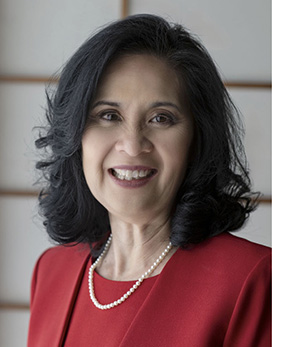
Debra Kawahara-Nagata When the future of the farm feels uncertain or threatened, the emotional toll can be significant. Stress can become overwhelming, and the sense of isolation can deepen, even when family or community members are nearby. In agriculture, there is often an unspoken expectation to persevere quietly and solve problems on one’s own. While this resilience is a strength, it can also become an obstacle to speaking up or asking for help during times of distress.
One of agriculture’s greatest assets, however, is its close-knit community. Farmers notice changes in one another. Neighbors step in when help is needed. Because of this, members of the community are often in a position to recognize when someone may be struggling.
Signs of emotional distress are not always obvious. Often, it is a collection of small changes rather than one clear signal. Trusting your instincts is important. If something feels “off,” it is worth paying attention.
Possible warning signs include:
• Noticeable changes in behavior or mood. The individual may seem different than usual—quieter, more withdrawn, irritable or disengaged. Conversations may feel strained, or their energy and focus may be diminished.
• Giving away belongings. This can include tools, equipment, animals, or personal possessions being given away without a clear reason or in a very abrupt manner.
• Major life stressors. Situations such as significant financial difficulty, crop or livestock losses, legal challenges, foreclosures, injuries or the death of a loved one can increase emotional strain and risk. In agriculture, these hardships may not be readily known or discussed because of the belief in handling challenges and personal matters privately, making it more difficult to identify or address when any of these challenges arise.
• Increased isolation. Pulling away or distancing themselves from family, friends, meetings or community activities they previously valued.
• Expressions of hopelessness or despair. Statements such as “What’s the point?” or “I don’t see a way out” should be taken seriously, especially if they reflect a change from their usual outlook.
You do not need to see every sign or be certain there is a problem before reaching out. Concern alone is enough to start a conversation. You do not need to have all the answers, and you do not need to “fix” the situation. Often, the most helpful actions are simple, human ones: noticing, listening and staying connected.
• Start the conversation. Choose a private and comfortable setting when possible. Be direct but compassionate. You might say: “I’ve noticed you don’t seem like yourself lately, and I wanted to check in.” “You’ve been dealing with a lot. How are you holding up?” “I wanted to see how you’re really doing. I care about you.”
• Avoid minimizing their experience or rushing to reassurance. Statements such as “It’ll work out” or “You’re strong. You’ll get through it” may unintentionally shut down conversation.
• Listen and be present. Allow the person to talk at their own pace. Silence can feel uncomfortable, but it gives space for reflection. Your role is to listen, not to make any conclusions or solve the problem for them.
• Helpful responses include: “That sounds overwhelming.” “I can see why this would weigh on you.”“I’m really glad you told me.” Listening without expressing judgment can reduce feelings of isolation and help someone feel seen and understood.
• Encourage support and stay connected. If distress appears ongoing or intense, gently encourage additional support. In agriculture, framing help as another tool or resource—no different from seeking expert advice for equipment or finances—can feel more acceptable. You might say: “You’ve been carrying a lot on your own. Talking with someone outside the situation could really help.” “Asking for help doesn’t mean you’ve failed. It means you’re doing what’s needed to protect yourself and your family.”
Follow up when you can. A phone call, text message or stopping by can be powerful reminders that the person is not alone.
If someone talks about feeling trapped, wanting to die, or harming themselves or others, take it seriously. Stay with them, either in person or by phone. Encourage immediate help. Call or text 988, the Suicide and Crisis Lifeline, available 24/7 for confidential support. You can call for guidance even if you are unsure what to say or do. You can call 911 or take the person to the emergency room if he or she is in imminent danger of harm.
Seeking emergency help is an act of care and responsibility, not a betrayal of trust. Agriculture depends on resilience, hard work and perseverance. But no one can or should carry everything alone. Paying attention to one another, asking difficult questions and offering support can make a real difference, not just for individuals but for the entire agricultural community. Sometimes the most important thing you can say is simply, “I’m here, and you don’t have to go through this alone.”
Dr. Debra Kawahara-Nagata is the 2025 president of the American Psychological Association and interim academic dean at the California School of Professional Psychology, Alliant International University. She can be reached at dkawahara@alliant.edu.


In this edition…
• View full issue
• Groundwater law begins reshaping valley
• Warm, dry start of spring sparks fire season concerns
• Cultivate the future through agricultural education
• Recognize signs of distress and when help is needed
• From the Fields: Jeff Colombini, San Joaquin County cherry and apple grower
• From the Fields: Stuart Mast, Calaveras County vintner
• From the Fields: Loren Poncia, Marin County rancher
• From the Fields: Ron Macedo, Stanislaus County agritourism operator
• Hot temps, new varieties boost strawberry volumes
• Young farmers talk policies during Capitol advocacy visit
• Drought, water restrictions drive innovation in tech
• USDA announces $9 million for cling peach tree removal
• Advocacy in Action: Farm Bureau tracks labor bills, applauds Farm Bill House passage
- May 6, 2026
- Inside Farm Bureau: Cultivate the future through agricultural education
-
By Shaun Crook
First Vice PresidentFor four decades, the California Foundation for Agriculture in the Classroom stood at the intersection of two of the state’s most vital pillars: agriculture and education. I am honored to serve as board chair as the foundation celebrates its 40th anniversary. It is humbling and inspiring to reflect on how far we have come connecting California classrooms with the people and practices that sustain our food system.
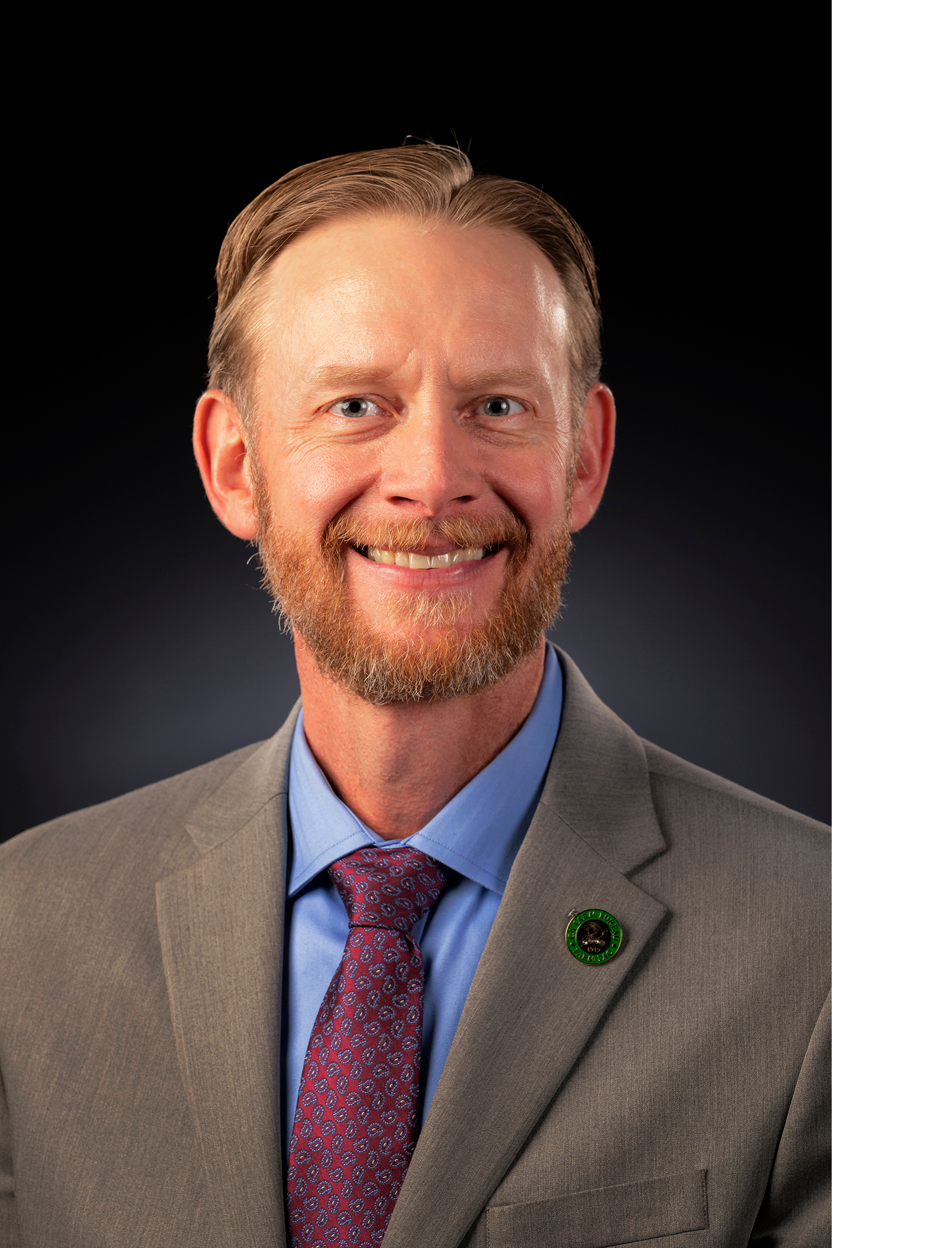
Shaun Crook When this journey began in the early 1980s, the need was clear. Recognizing a growing disconnect between urban students and the sources of their food, farm groups organized what became known as Farm Day in San Francisco. Farmers and ranchers loaded trucks with animals, crops and equipment and brought them directly onto school grounds. That moment—when agriculture was brought into the classroom in the most tangible way—planted a seed that has continued to grow for 40 years.
My own involvement in Agriculture in the Classroom is driven by a deep respect for agriculture and education—and the natural connection between the two. Agriculture is science, history, economics, environmental stewardship and culture rolled into one. Education, at its best, prepares students to understand the world around them. When we bring agriculture into the classroom, we bridge that gap. We give students context for the food they eat, the resources they depend on and the communities that sustain them.
 During the past 40 years, the foundation has served as a trusted resource for educators and a strong advocate for farmers and ranchers. Today, we reach more than 1.3 million California students and support some 39,000 educators each year.
 But our role extends far beyond simply reaching students and teachers. We also equip volunteers, community organizations and agricultural professionals with the tools they need to tell agriculture’s story effectively. Through lesson plans, hands-on activities and a wide array of educational resources, we ensure that anyone who steps into a classroom or interacts with young people can present agriculture in a way that is accurate, engaging and meaningful. This multiplier effect is one of our greatest strengths.
Programs such as the “Imagine This…” writing contest exemplify how we can make agricultural education creative and accessible. Now in its 32nd year, the contest invites students in grades three through eight to explore agriculture through storytelling and imagination. By encouraging students to think creatively about agriculture, we help them form personal connections that can last a lifetime.
Of course, Agriculture in the Classroom has not stood still. We have evolved significantly to meet the changing needs of educators and students. One of the most important shifts has been toward a more robust outreach model. With regional representatives positioned across the state, we are now able to deliver more resources directly to classrooms and tailor our efforts to the unique needs of different communities. This localized approach ensures that our programs remain relevant and effective.
Advancements in technology have also opened new doors. Digital tools, virtual field trips and interactive resources allow us to reach more students in ways that were unimaginable in the 1980s. These innovations give us an opportunity to engage students when their career interests and worldviews begin to take shape. By introducing agricultural concepts during their formative years, we can inspire curiosity, build understanding and potentially spark interest in agricultural careers.
The need for this work has never been greater. Each year, fewer people are directly involved in production agriculture. As that gap widens, the risk of misunderstanding and disconnect grows. Agricultural literacy is not a luxury but a necessity. An informed public is essential for sound decision-making, whether at the kitchen table or in the halls of government.
When we educate young people about agriculture, we invest in the future of our communities and state. Today’s students will become tomorrow’s voters, policymakers and leaders. Some will sit on city councils or boards of supervisors. When they do, we want them to remember their experiences with Agriculture in the Classroom and carry with them an appreciation for what it takes to put food on their plates.
That is why continued support of agricultural education is so critical. Every segment of agriculture has a role to play in sharing California’s story. By supporting Agriculture in the Classroom, you help ensure that the next generation understands not only the importance of agriculture but also the values and dedication of the people behind it.
As we celebrate this 40-year milestone, we are not simply looking back; we are looking ahead. The challenges and opportunities before us call for renewed commitment and collaboration. I urge all those who are part of California agriculture to remain engaged, support this work and help us expand our reach even further.
Together, we can ensure that Agriculture in the Classroom continues to thrive for another 40 years and beyond—cultivating knowledge, fostering understanding, and strengthening the connection between our farms and our future.
To support the California Foundation for Agriculture in the Classroom, visit learnaboutag.org/get-involved.
To learn more about the “Imagine This…” contest, visit learnaboutag.org/programs/contest.
Shaun Crook, who operates a family timber business in Tuolumne County, is first vice president of the California Farm Bureau. He can be reached at scrook@cfbf.com.

In this edition…
• View full issue
• Groundwater law begins reshaping valley
• Warm, dry start of spring sparks fire season concerns
• Cultivate the future through agricultural education
• Recognize signs of distress and when help is needed
• From the Fields: Jeff Colombini, San Joaquin County cherry and apple grower
• From the Fields: Stuart Mast, Calaveras County vintner
• From the Fields: Loren Poncia, Marin County rancher
• From the Fields: Ron Macedo, Stanislaus County agritourism operator
• Hot temps, new varieties boost strawberry volumes
• Young farmers talk policies during Capitol advocacy visit
• Drought, water restrictions drive innovation in tech
• USDA announces $9 million for cling peach tree removal
• Advocacy in Action: Farm Bureau tracks labor bills, applauds Farm Bill House passage
- April 22, 2026
- Commentary: Water guides discussion at global agriculture forum
-
By Jenny Holtermann
This past January, I had the opportunity to travel to Berlin to attend the Global Forum for Food and Agriculture, or GFFA. Attending the forum was an eye-opening and inspiring experience.
Held annually in Berlin, this international conference brings together policymakers, researchers, farmers and industry leaders to discuss the future of global food systems. It is considered one of the most important platforms for addressing challenges in agriculture and food security worldwide.
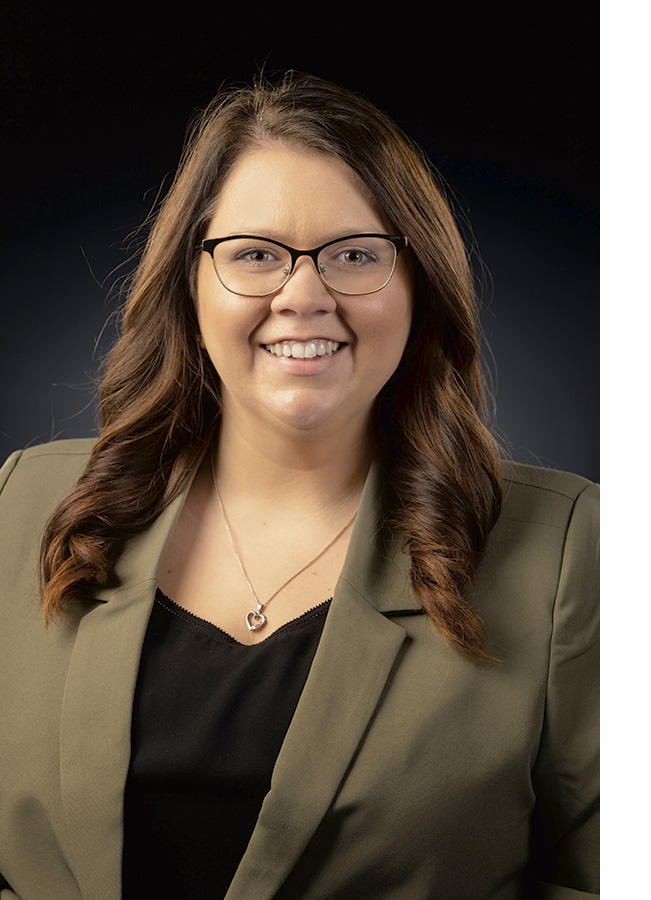
Jenny Holtermann Many agriculture ministers and secretaries from countries across the globe attend the GFFA. The event prides itself as being the world’s largest informal conference for agriculture ministers, with 61 in attendance, as well as high-level representatives from international organizations from 14 countries.
I was nominated by the American Farm Bureau Federation to participate and was selected by the federal government of Germany to be part of the International Young Farmers Forum, a special portion of the GFFA open to nominations. After being selected for the forum, I was also invited to be part of a conference panel.
From the moment I arrived, I could feel the global importance of the event. Thousands of participants from different cultural, professional and academic backgrounds filled the conference halls. Participants from different countries gathered to exchange ideas and solutions for improving agriculture.
The diversity of people, ranging from government ministers to young farmers, created a unique environment where everyone contributed to different perspectives. It was fascinating to see how individuals from both developed and developing countries came together with a shared goal: to improve global food security and promote sustainable agricultural practices.
One of the most impactful parts of my experience was being a panelist during the opening event of the conference. The guiding theme for the conference was “Water. Harvests. Our Future.” This theme provided a high-level introduction and discussion on water sustainability. Other panelists included the minister of agriculture from India, minister of hydraulics and sanitation of Senegal, and the water envoy from Netherlands.
During the panel, we each shared our perspective on water sustainability in our regions. I was honored to address California water, our challenges and the role the government plays. Being on the stage with such individuals was awe-inspiring and provoked thoughtful discussion.
The forum highlighted the need for inclusive policies that ensure everyone benefits from agricultural advancements. As part of the Young Farmers Forum, we prepared a young farmers declaration on the future of agriculture.
Joined by 25 other young farmers from across the world, we contributed our valuable experiences on water issues from our own farms and national organizations to develop a statement on the major challenges farmers face. We covered water scarcity, requirements for a secure harvest, challenges due to climate change, innovation building resilience, bioeconomy as a source of income stability, wars, government conflicts and declining food security.
The forum also featured exhibitions and presentations showcasing innovative agricultural solutions, including new farming technologies, sustainable products and research projects aimed at improving food production. They demonstrated that while challenges are significant, there are also many creative solutions being developed around the world.
In the adjacent halls was Grune Woche, or Green Week. One of Germany’s most traditional trade fairs, Green Week was 121,000 square meters of halls representing more than 50 countries. Booths and stages cover the endless halls with food, agriculture and horticulture companies from all over the world. They received more than 350,000 visitors and had more than 1,600 exhibitors present.
I was mesmerized by the overwhelming selection of cultural food, drinks and shows. You could not see nearly half the halls in one day. It would take a week to make your rounds around the exhibits.
The entire experience provided opportunity to interact with participants from different backgrounds. From the Young Farmer Forum to GFFA panel opportunities and Green Week, it was an experience filled with culture, diversity and multiplicity of innovation.
The conversations helped me understand how agriculture varies across regions and how global collaboration can lead to innovative solutions. The forum was not just about listening but also about learning from others’ experiences.
Overall, my experience at the Global Forum for Food and Agriculture was educational and motivating. It made me realize the importance of agriculture in sustaining cultures and the urgent need for sustainable practices. The forum reinforced the idea that by working together globally, we can build a more secure and sustainable food future.
I am grateful for the opportunity to experience an international conference of this magnitude and hopeful about the agriculturalists that are leading our world into the next generation.
Jenny Holtermann farms in Kern County and serves as an advisory member on the California Farm Bureau Board of Directors. She can be reached at agalert@cfbf.com.

See related news stories...
• Big cats complicate ranchers' livelihoods
• California weighs 'truth in labeling' wine industry law
• Water guides discussion at global agriculture forum
• Dry conditions push farms to new irrigation strategies
• Study measures regulatory costs for Napa vineyards
• Researchers study ways to control flatheaded borer
• New CDFW director addresses priorities, predators
• National survey shows most farmers can't afford fertilizer
• What options are available to manage citrus thrips?
• Efficient irrigation through smart and informed irrigation purchases
• Going farm fresh: School districts look to growers as they ditch ultraprocessed foods
• Bountiful Finds: A curated collection of goods made by Farm Bureau members
• Super Snacks: Big California Flavor
• Peaches signal arrival of prime fruit season
• The Scenic Route: Pit stops at California farms and ranches
• From auction ring to dinner table: Coalition ensures no junior livestock exhibitor goes without a sale
• Why calling 811 before you dig is essential for California farmers
• Study: Maximize winter cereal yields with less water
- April 20, 2026
- Commentary: Proposed law would strengthen American wine label
-
By Chris Reardon
California’s wine industry remains a cornerstone of the state’s agricultural economy. It shapes the Golden State’s global image and cultural identity. Yet in recent years, a growing disconnect has emerged between what consumers believe they are purchasing and what is actually in the bottle.
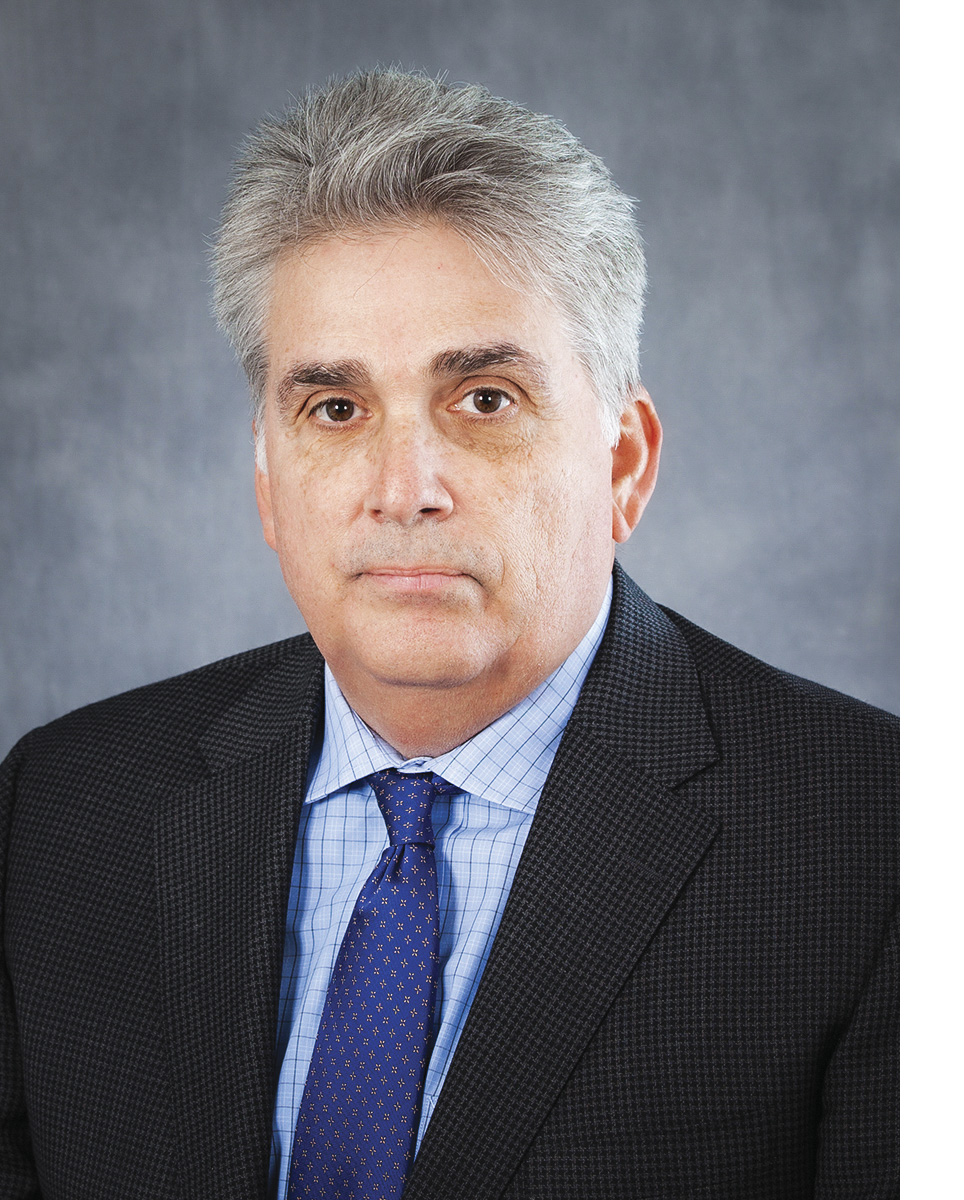
Chris Reardon Assembly Bill 1585, often referred to as the “truth in wine labeling” bill, seeks to close that gap. By strengthening labeling standards and increasing transparency, the legislation delivers clear benefits to both California’s winegrape growers and consumers while reinforcing the integrity of one of the state’s most iconic industries. For these reasons, California Farm Bureau strongly supports AB 1585.
At its core, AB 1585 addresses a simple but important issue: honesty in labeling. Under current regulations, wines labeled with an American appellation can contain a significant portion of grapes grown outside the country. This creates confusion for consumers who reasonably assume that a bottle labeled “American wine” is made from American-grown grapes.
AB 1585 raises the standard by requiring 100% of grapes to be sourced from within the country if the wine is marketed as American wine. This ensures that labels more accurately reflect the product’s origin. Because 85% of the nation’s winegrapes are grown in California, most wine consumers naturally associate the American label with California vineyards.
For consumers, this is a matter of trust. Today’s wine buyers are increasingly interested in where their products come from, how they are produced and the value behind them. Transparency is no longer a luxury; it is an expectation.
When consumers pick up a bottle labeled as American wine, they deserve confidence that they are supporting California agriculture. AB 1585 provides that assurance, empowering consumers to make informed purchasing decisions and strengthening their connection to the state’s wine industry.
For California’s winegrape growers, the benefits are even more direct. Growers invest significant time, labor and resources into cultivating high-quality grapes under some of the most rigorous environmental and labor standards in the world.
When wines made with out-of-state or imported grapes are labeled as California products, it undermines the value of that investment. It creates an uneven playing field where growers who adhere to California’s standards must compete with lower-cost inputs that do not meet the same requirements.
AB 1585 helps correct this imbalance by ensuring that wines labeled as domestic genuinely reflect California agriculture. This strengthens demand for locally grown grapes, supports fair pricing and reinforces the economic viability of farming operations across the state.
In an era marked by rising production costs, water challenges and global competition, policies that protect the integrity of California-grown products are essential to sustaining the industry.
The bill also supports the broader agricultural economy. Winegrapes are one of California’s most valuable crops, contributing billions of dollars annually and supporting thousands of jobs in farming, processing, distribution and tourism.
By promoting transparency and authenticity, AB 1585 enhances the overall brand of California wine, which in turn benefits rural communities that depend on the industry. A stronger, more trusted brand translates into increased demand, both domestically and internationally.
California Farm Bureau’s support of AB 1585 reflects its longstanding commitment to advocating for farmers and ranchers across the state. The organization recognizes that clear and honest labeling is not just a consumer protection issue; it is an agricultural fairness issue.
Policies that allow misleading labeling practices ultimately disadvantage local producers and erode confidence in the marketplace. By contrast, AB 1585 aligns with the Farm Bureau’s mission to promote a stable and prosperous agricultural sector.
Critics of the bill may argue that buying imported wine and blending it with California wine and then bottling it and calling it American is less expensive than buying local grapes. However, these concerns must be weighed against the long-term benefits of transparency and market integrity.
Clear labeling standards reduce ambiguity, build consumer trust and create a more level playing field. Moreover, many wineries already prioritize transparency and source most of their grapes from within California. For these producers, AB 1585 simply formalizes practices they already follow.
Importantly, AB 1585 does not stifle innovation or limit the ability of wineries to source grapes from other regions. Instead, it ensures that when wines are marketed as domestic products, they meet a clear and consistent standard.
Wineries remain free to create blends using grapes from multiple regions; they simply must label those products accurately. This distinction preserves flexibility while promoting honesty.
In a competitive global marketplace, authenticity is one of California wine industry’s greatest assets. Consumers around the world associate California with quality, sustainability and innovation. Maintaining that reputation requires policies that uphold these values at every level, including labeling. AB 1585 reinforces the credibility of the California wine brand by ensuring that it continues to stand for what consumers expect.
Ultimately, AB 1585 is about aligning labeling practices with consumer expectations and agricultural realities. It strengthens trust, supports local growers and enhances the value of California’s wine industry.
For these reasons, California Farm Bureau’s support is both logical and necessary. By advancing transparency and fairness, AB 1585 represents a meaningful step forward for everyone who depends on—and enjoys—California.
Chris Reardon is vice president of policy advocacy for California Farm Bureau. He can be reached at creardon@cfbf.com.
- April 8, 2026
- Inside Farm Bureau: Engaged members unleash Farm Bureau's true force
-
By Dan Durheim
Chief Operating Officer
California Farm BureauFarm Bureau membership offers value, but engagement is what unlocks it. When members actively participate, Farm Bureau becomes more than an organization; it becomes a powerful, member-driven force that protects, promotes and advances agriculture.
Farm Bureau’s value proposition is rooted in grassroots advocacy. Policies and priorities are not set from the top down. They are shaped by farmers and ranchers who share their experiences, concerns and solutions.
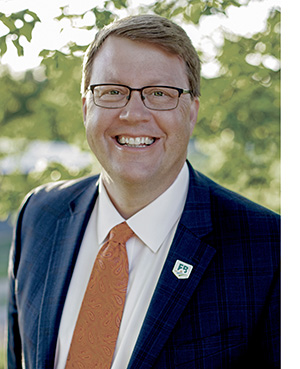
Dan Durheim That structure is not accidental. It is the foundation of Farm Bureau’s credibility. Lawmakers and regulators recognize that when Farm Bureau speaks, it reflects the collective voice of people working the land, managing risk and feeding communities.
Engagement is what keeps that foundation strong. It ensures that Farm Bureau’s advocacy reflects real-world agriculture and that decision-makers hear directly from those affected by legislation and regulation.
When members participate, their voices guide policies on everything from water and labor to land use and environmental regulation. In a state as complex and diverse as California, those firsthand perspectives are essential. No single policy fits every region or commodity, and without active participation, important nuances can be lost.
Active involvement also delivers timely, credible information. Engaged members are better informed about legislative proposals, regulatory changes and agency actions that impact their operations. In today’s fast-moving policy environment, information is not just helpful; it is a strategic advantage.
Through meetings, outreach and Farm Bureau communications, members gain clarity on complex issues and learn how to effectively engage with policymakers before decisions are final. That awareness can make the difference between reacting to change or shaping it.
Engagement further strengthens agriculture through leadership development and connection. Farm Bureau provides opportunities for members to build leadership skills, serve on committees and collaborate with peers across counties, commodities and generations.
These experiences cultivate confidence and capacity. A member who starts by attending meetings may go on to testify at hearings, serve on advisory boards or represent agriculture in broader civic discussions. At the same time, these connections reinforce agriculture’s united voice while preparing members to lead not only within Farm Bureau but also in their local communities and industry organizations.
Participation also opens doors beyond the farm gate. Engagement often leads to educational programs, travel opportunities and exposure to agriculture across California and the nation. Seeing how other regions and commodities navigate shared challenges helps members think strategically, build perspective and bring fresh ideas back to their own operations. It also fosters a deeper appreciation for the diversity of agriculture—how different crops, climates and communities are interconnected within a larger system.
Perhaps most importantly, engagement multiplies impact. A large, informed and involved membership gives Farm Bureau credibility and influence. Policymakers listen when agriculture shows up unified, informed and consistent. Numbers matter, but participation matters more. A membership list carries weight; an active membership drives outcomes.
Siskiyou County Farm Bureau member Bruce Fiock, who helped start the region’s Young Farmers & Ranchers program in the 1980s, told me recently that Farm Bureau involvement has opened doors for him, giving him experiences that he probably would not have had if he did not engage in Farm Bureau. His story reflects a broader truth: Engagement transforms membership from a passive benefit into an active opportunity.
He summed it up this way: “Being engaged has helped me see the bigger picture. Farm Bureau connects you to what’s happening beyond your fence line and gives you the tools to help shape it.”
That “bigger picture” is increasingly important. Agriculture today faces layered challenges—regulatory pressure, resource constraints, public perception and market volatility. Meeting those challenges requires more than individual effort; it requires coordinated action, informed voices and sustained advocacy. Farm Bureau provides the structure for that work, but members provide the momentum.
Farm Bureau’s strength lies in its members, but its effectiveness depends on their involvement. Engagement turns membership into influence, information into action and individual voices into lasting impact for California agriculture. It is how ideas move from conversation to policy, from concern to solution.
Whether attending a meeting, serving on a committee, responding to an action alert or stepping into a leadership role, every member has a part to play. Even small steps—showing up, asking questions, staying informed—contribute to a larger collective effort. Over time, those efforts add up, shaping not only Farm Bureau’s direction but the future of agriculture itself.
Farm Bureau works best when members show up, speak up and stay engaged.
Dan Durheim is chief operating officer of California Farm Bureau. He can be reached at ddurheim@cfbf.com.
In this issue:
- Governor hopefuls vow to cut regulations
- Farmers gather to talk sustainability projects at dairies
- Engaged members unleash Farm Bureau's true force
- Melissa Hurtado on ag overtime: 'Everyone can win'
- From the Fields: Abi Dirske, Stanislaus County flower farmer
- From the Fields: John Pierson, Solano County rancher
- From the Fields: Celeste Alonzo, Riverside County vegetable grower
- From the Fields: Mitchell Yerxa, Colusa County Farmer
- Ingredient market increases demand for pistachios
- Despite acreage decline, asparagus growers hang on
- Democrats vying for governor criticize overtime law
- Harvest strategies for managing grain quality, safety risks and storage challenges
- Certified Crop Advisers guide growers in smart nutrient management
- Farm Bureau advocacy update: Labor, water, forests and tax relief
- Mentorship program grows next-generation farmers
- March 25, 2026
- Commentary: Mentorship program grows next-generation farmers
-
By Margaret Honig
Agriculture has always been built on shared knowledge. For generations, farmers and ranchers have learned through experience, observation and conversations with friends and neighbors. Lessons shared between growers often carried more weight than anything found in a manual or classroom. Advice on crop management, soil conditions, water use, budgeting or marketing strategies traditionally came from someone who faced the same challenges. That exchange of knowledge helps agriculture remain resilient.

Margaret Honig Today, beginning farmers face a much different landscape. Entering agriculture requires navigating rising costs, regulatory complexity and evolving markets. For many new producers, the early years can feel overwhelming. Yet California agriculture depends on their success. The future of the state’s food system rests on the next generation building viable businesses.
Ensuring farmers have the support they need is essential to maintain California’s leadership in agriculture. Recognizing this need, the California Bountiful Foundation, a 501(c)(3) nonprofit research and education arm of the California Farm Bureau, created the Expanding Our Roots mentorship program, designed to connect beginning farmers and ranchers with experienced producers who share practical, real-world knowledge.
The idea behind the program is simple: Farmers learn best from other farmers. The program pairs beginning farmers with experienced producers across California. Beginning farmers typically have one to 10 years of farming experience, while mentors have 10 or more years in production.
The goal is to strengthen California agriculture by facilitating peer learning and knowledge transfer across all farm commodities, including specialty crops and livestock. Through one-on-one mentorship, participants discuss real challenges growers face in their operations. These conversations often provide insights that cannot be learned through books or formal courses.
Why does mentorship matter? For beginning farmers, mentorship can make the difference between struggling through trial and error and gaining guidance that can help them succeed.
Farming requires a wide range of skills. Growers must understand crop production, soil health, water management, labor planning, financial management, marketing and regulatory compliance.
Through the program, mentors and mentees work through topics such as production planning, business management, market access, navigating regulations, managing risk, adopting climate-smart practices, and accessing resources and grants.
The impact shows in how mentee farmers apply what they learn. Nicholas Atchley of Ventura County said he gained a “much better understanding of water hydraulics and irrigation management,” which directly affects efficiency and crop health in the field. Carol Thong of Sonoma County said working with her mentor, Andrew Forchini, a winegrape grower in Sonoma County, helped her better understand vineyard operations and identify ways to reduce costs, helping her make more informed decisions on her operation.
Mentors see the impact as well. Solano County farmer Ben Lyons described the program as “a lifeline for those who may feel overwhelmed by this new endeavor.” Forchini worked with his mentee to develop strategies to reduce expenses during the current winegrape market downturn while maintaining vine health and improving overall farm efficiency.
For Michael O’Gorman of Humboldt County, a longtime leader in agriculture mentorship and former executive director of the Farmer Veteran Coalition, the connection between experienced farmers and new producers is essential.
“Working with California Farm Bureau and the Expanding Our Roots program has been a natural fit for me,” he said. “I met so many veterans eager to jump into farming and ranching from my years of managing the Farmer Veteran Coalition, and now I can help them get some real guidance in the state where I was able to launch my own farming career.”
In addition to one-on-one mentorship, the program hosts educational workshops where mentors and mentees can come together with other farmers for focused discussions on key topics facing agriculture. These workshops bring in experts from across the agriculture sector to share practical guidance and answers from participants.
The program continues to grow as more farmers participate across the state. Its impact includes: 246 total farmers and ranchers enrolled; 46 counties represented across coastal, central, northern and southern regions of the state; and four educational workshops held.
Additional participants include farmers from diverse backgrounds, with 69% based in rural communities and 31% in urban and suburban areas. The program also serves a diverse group of producers, including 62 participants who speak a language other than English, 82 producers from historically underserved communities and 29 veterans or active-duty service members.
Farmers and ranchers with more than 10 years of experience are encouraged to join as mentors, while beginning farmers with one to 10 years of experience are invited to apply as mentees. Agriculture has always relied on farmers helping farmers. When that knowledge is shared, the future of California agriculture grows stronger.
For more information, visit www.californiabountifulfoundation.com/programs-and-services/beginning-farmer-and-rancher-mentorship-program.
Margaret Honig is the administrative lead for the California Bountiful Foundation, an affiliate 501(c)(3) of the California Farm Bureau. She can be reached at mhonig@cfbf.com.
In this issue:
- Farm Bureau leaders advocate at Capitol
- Iran war strands California farm exports
- Mentorship program grows next-generation farmers
- Vision tech allows dairies to identify lameness early
- Research looks to optimize pollination in avocados
- Advocacy in Action: Fire insurance, farm workforce, market relief and water infrastructure
- California farmer finishes AFBF leadership program
- State treasurer honored for being agriculture 'champion'
- In Brief: Pesticide labeling, H-2A wage rate and "Captive Audience" law
- What is needed to protect against walnut blight?
- California's top exports to China fell by 64% in 2025
- CDFA takes steps to stop spread of cotton leafhopper
- Low-cost ways small farms can lean into technology
- Pest control innovator shares take on biopesticides
- March 11, 2026
- Inside Farm Bureau: President's Message: Share your story where important policy is shaped
-
By Shannon Douglass
President
California Farm BureauAs a farmer or rancher, what are your biggest barriers to success?
Is it profitability? Access to technology? Burdensome regulations? Access to inputs? Most of us would answer: all of the above—and more.
At Farm Bureau, we work every day on practical business solutions and strong advocacy. But here’s the truth: The most effective voice for agriculture isn’t mine, and it isn’t our staff’s.
It’s yours.
 That’s why I want to personally invite you to participate in our Calling on the Capitol Series. This is your opportunity to meet directly with key legislators and their staff members at a critical point in the legislative process. And new this year, you’ll also have the chance to engage with regulatory officials who shape the rules that affect your farm and business.
The Calling on the Capitol Series matters because it creates space for farmers and ranchers to speak for themselves.
Our advocacy team does an outstanding job representing agriculture. They bring expertise, policy analysis and relationships built over years of work—the kind of foundation that only a strong membership organization like ours can provide. But they are not the ones making payroll, managing water reductions or navigating ever-changing compliance requirements on your farm or ranch.
When you walk into a legislator’s or regulator’s office as both a voter and a business owner, it changes the conversation. Facts and statistics are important—and we share those. But what policymakers remember are your stories. They remember the farmer who had to idle productive ground because production costs exceeded the return. They remember the rancher who lost 20 calves to wolves. You tell the real stories that policymakers may never have fully considered—or can even comprehend. They remember the real-world consequences behind the bill number.
And those stories make a difference.
More often than not, elected officials genuinely want to do the right thing. But they can’t possibly be experts in every industry. Unless we take the time to explain how proposals affect agriculture, they simply won’t know.
If you’ve never participated before, I understand it can feel intimidating. That’s exactly why the Calling on the Capitol Series is structured the way it is. Whether this is your first visit or your 15th, our team prepares you. We review materials, provide handouts and organize visits so you’re never walking in alone. You’ll be part of a team, supported every step of the way.
We’ve also made the series more efficient based on your feedback. By consolidating into fewer, strategically timed days in April and May—just ahead of key bill deadlines—we ensure your time in Sacramento has maximum impact.
And if you’re able, consider bringing a friend, neighbor, or even a high school or college-aged son or daughter. This is a powerful way to introduce the next generation to the importance of engagement. The fewer elected officials we have with direct ties to agriculture, the greater the need for them to hear directly from those of us who live it every day.
Each year, that need grows. We are outnumbered. But when we show up—in person—we are heard. That’s the power of standing together as Farm Bureau.
Calling on the Capitol is not just another event. It is agriculture activating at the moment it matters most.
I hope you’ll join us.
Calling on the Capitol Series schedule
Join your fellow Farm Bureau members for legislative and regulatory visits during our Calling on the Capitol Series. These one-day trips are designed to maximize your voice while minimizing your time away from the farm. Your story can make a real difference.
Participants will receive issue briefings, materials and support from Farm Bureau staff to ensure productive meetings with legislators, staff and—new this year—regulatory agency officials.
• March 18: The California Farm Bureau Board of Directors will launch the series with a full day of meetings with legislators, regulators and senior administration officials, followed by presentation of the inaugural Champion of Agriculture Award.
• April 21: Young Farmers & Ranchers members from across the state will meet for a dedicated day of advocacy at the Capitol.
• May 5: Members from Alameda, Contra Costa, Fresno, Imperial, Inyo-Mono, Kern, Kings, Los Angeles, Madera, Mariposa, Merced, Monterey, Orange, Riverside, San Benito, San Bernardino, San Diego, San Francisco, San Luis Obispo, San Mateo, Santa Barbara, Santa Clara, Santa Cruz, Solano, Tulare and Ventura counties will advocate.
• May 26: Members from Amador, Butte, Calaveras, Colusa, Del Norte, El Dorado, Glenn, Humboldt, Lake, Lassen, Marin, Mendocino, Modoc, Napa, Nevada, Placer, Plumas-Sierra, Sacramento, San Joaquin, Shasta, Siskiyou, Sonoma, Stanislaus, Tehama, Trinity, Tuolumne, Yolo and Yuba-Sutter counties will advocate.
If you’re unable to attend on your county’s assigned date, you’re welcome to register for the other visit.
Make your voice heard. Register today at cfbf.com/capitol.

- February 25, 2026
- Commentary: FFA president shares what leadership has taught her
-
By Lily Vaughan
Before I ever wore the iconic blue jacket that’s become a key symbol of FFA, I paid attention to words. I noticed how the way something was said could make people feel seen, challenged or hopeful.
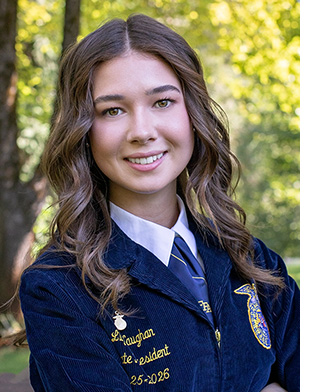
Lily Vaughan One of the first moments I realized the power of words was watching my older brother compete in a speech contest when I was still in elementary school. The speech was not written by him, but the way he delivered it made it his own. When he spoke, people leaned in. I remember looking around and realizing that everyone listening was walking away with something different, something personal.
I began to understand that influence is not just about how you got there but about how a message is carried and the way it connects with the people listening. That moment planted the seed of what influence could look like. But it was in FFA that the seed was challenged and allowed to grow.
I joined FFA my freshman year for a practical reason. While I didn’t grow up immersed in agriculture, my family began raising and showing market hogs for the county fair when I was in middle school. I wanted to continue showing market hogs, which meant enrolling in an agriculture biology class and officially joining the Las Plumas FFA chapter.
At first, FFA was about animals and the significance of the blue jacket. I knew it meant something to zip up the blue corduroy, even if I didn’t yet know what it would mean to me. That changed quickly as I began to compete in competitions from Livestock Judging to Creed Speaking.
One of the first lessons the blue jacket taught me was that growth lives just outside my comfort zone. Zipping it up gave me confidence to step into spaces that I might have otherwise avoided. Slowly, my willingness gave way to confidence to meet new people and take a few risks.
Everything changed the first time I attended the California State Leadership Conference. Standing in a room filled with 8,000 students was overwhelming in the best way. The energy was electric. I watched the state officers on stage speak vulnerably and celebrate the family they had created. They were not much older than me, yet they were brave enough to share their stories in front of thousands. Another seed was planted.
 Running for state office was one of the boldest risks I have ever taken. I did not feel perfectly qualified, but I did feel called. With that calling came familiar fears: Do I have a story worth sharing? Is there someone more prepared for this role?
 What made the difference was not the absence of doubt; it was the presence of belief. Teammates, advisers, mentors, family and friends believed in me. Their belief gave me the courage to turn my dream into action.
Serving as California FFA state president has taught me that leadership is deeply personal. It is not about having the fanciest resume or the most impressive title. On the hardest days, leadership means asking for help and admitting when I cannot give my best. It means leaning on my team, my adviser and the people who reminded me that I was never meant to do this alone.
Some of the most meaningful moments of this year did not happen on a stage. They happened in unassuming conversations at chapter visits. They happened through handwritten notes, kind messages and honest questions from members I had the privilege of meeting.
Over and over again, I was reminded how powerful belief can be. When someone feels seen, it can change the way they see themselves. Sometimes it even changes the direction they choose to go.
Agriculture is the No. 1 industry, and it needs leaders who are willing to learn, listen and lead with heart. It also needs informed consumers who are willing to ask where their food comes from and why it matters.
FFA creates space for both. It is a place where students from all backgrounds are welcomed and challenged to grow the seeds already planted within them.
As I prepare to step onto the stage for my retiring address, I think back to the dreamer I once was, sitting in the crowd and wondering who those people on stage were. My hope is that this year, there is a student sitting in the audience who realizes that it takes courage to risk boldly for their dream, but it is so worth it.
Before I wore the blue jacket, I paid attention to the power of words, but through FFA I learned how to use them to lead with purpose.
Lily Vaughan, who graduated from Las Plumas High School in Oroville in 2025, serves as the 2025-26 California FFA state president.

- February 11, 2026
- Commentary: Solving veterinary shortage is crucial for agriculture
-
By Gary S. May
The future of agriculture depends on investing in bold advances in veterinary medicine and training the next generation of doctors to serve our communities. The University of California, Davis—the nation’s top-ranked veterinary school—is leading the way.
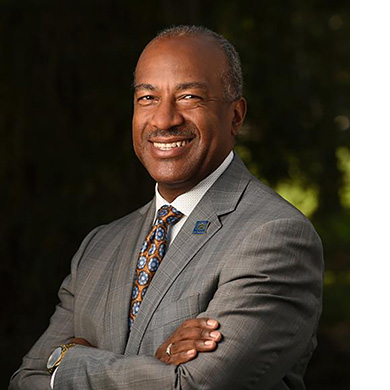
Gary S. May With a landmark $120 million gift from philanthropists Joan and Sanford I. Weill, the newly named UC Davis Weill School of Veterinary Medicine is set to expand its impact by training these future doctors, advancing large-animal care and strengthening California’s health and agricultural future at an unprecedented scale.
The timing of this investment couldn’t be better. The past few years have tested California’s livestock producers, with new obstacles at every step of the process, from emerging biological threats to regulations requiring adaptation amid market uncertainty.
In the face of these challenges, the resilience of California’s livestock industry has never been in doubt. Our farms—99% of which are family-owned—lead the nation in dairy production, contributing $57 billion in total economic impact and creating 180,000 jobs across the state. Across California, 11,000 ranchers manage 670,000 beef cattle, contributing another $4.98 billion to the economy.
At UC Davis, we are proud partners with the farmers and agricultural producers who feed our state. Our combination of partnerships, research and student training makes the Weill School of Veterinary Medicine an indispensable collaborator, helping keep our food healthy, safe and nutritious.
That partnership is evident in our response to H5N1 avian influenza. When the state confirmed its existence in California dairy cattle, UC Davis, the state and dairy farmers swung into action to protect the herds. The California Animal Health and Food Safety laboratory system rapidly expanded testing capacity at its Davis, Turlock and Tulare labs, while also providing real-time maps that help producers strengthen biosecurity to reduce the threat of outbreaks.
We continue to monitor these risks. With tools such as our new Disease BioPortal, UC Davis proactively tracks emerging health concerns and identifies disease trends early, aiming to prevent outbreaks such as the avian flu detected in Central Valley flocks last year.
UC Davis veterinarians and researchers are embedded in the heart of California’s dairy industry. They provide boots-on-the-ground care while training the next generation at the Veterinary Medicine Teaching & Research Center in Tulare County. The clinicians and residents in the Dairy Production Medicine program provide veterinary care to approximately 60,000 dairy cows, heifers and calves each year, while studying herd health, genetics, environmental sustainability and other topics.
As threats evolve, our teams are always looking ahead to the next challenge. We are leading efforts to prevent the spread of the New World screwworm, a flesh-burrowing blowfly larva that is slowly moving north to the United States. Recently spotted a mere 70 miles from the U.S.-Mexico border, this parasite could inflict devastating losses on California’s cattle and threaten human health.
That commitment to the future extends to ensuring that there are enough veterinarians to serve animal producers in the state. We currently face a critical shortage of food-animal veterinarians nationwide. Last year, the U.S. Department of Agriculture identified 243 rural veterinary shortage areas in 46 states, the highest numbers ever recorded, including in counties across California.
That’s why UC Davis is expanding its capacity to train future generations of veterinarians who will return to their communities and serve the state. Nearly nine in 10 of our students come from California. With support from our donor endowment and student support, graduates from our school have some of the lowest debt of any school in the United States, allowing them to return home to practice.
These efforts are paying off in a more diverse class of veterinarians who come from every background. We’re increasing access to veterinary school, giving rural and first-generation students increased opportunity to make a difference in their communities. Recognizing this work, we received the Health Professions Higher Education Excellence in Diversity award, and 58% of the Class of 2028 will be first-generation college students.
UC Davis is proud of its history and our ongoing efforts to support agriculture. This commitment to the state’s producers has been woven into the identity of our school since we began as the University Farm School in 1909 and when we established our School of Veterinary Medicine in 1948.
We may have a new name, but our commitment to serving the people and animals who make California’s cattle and dairy industry the envy of the world remains the same.
But we can do more.
Our ongoing Veterinary Medical Complex Capital Project is a critical part of our vision for the future. This project will help us fill the rural workforce gap, enhancing our ability to treat animals and strengthen health surveillance, protecting animals and the public. The expansion of the Large Animal Hospital will enable us to treat more animals, conduct more research and protect the health of California’s vital agricultural industry.
With strong donor support, we are well on our way to achieving these goals, but private investment must now be matched with public commitment. A thriving California demands a flourishing agricultural industry. We invite state leaders and the public to champion the funding needed to complete this effort and ensure a resilient future for California’s veterinary and agricultural sectors.
Gary S. May is the seventh chancellor of the University of California, Davis, and oversees all aspects of the university’s teaching, research and public service mission. He can be reached at chancellor@ucdavis.edu.
The latest news from AgAlert.com
- Grape glut lessens as growers scrap vines
- Bill brings back ag overtime tax credit proposal
- Solving veterinary shortage is crucial for agriculture
- From the Fields: Laura Gutile, Madera County pistachio grower
- From the Fields: Jennifer Beretta, Sonoma County dairy farmer
- From the Fields: Frank Hilliker, San Diego County egg producer
- From the Fields: Bruce Fry, San Joaquin County winegrape grower
- 'Unrelenting' fog aids Central Valley fruits and nuts
- Strong beef prices keep milk replacement heifer count low
- Transplant nurseries celebrate seed improvements
- Advocacy in Action: Tricolored blackbird, government shutdown, farm bill, fumigation alternatives, air board workshop
- How California farms can reduce pumping power costs
- Award applicants sought for Leopold Conservation
- Section 179 deductions for farm machinery in 2026


- January 28, 2026
- Commentary: Restored funding needed for rural crime prevention
-
By Steven Fenaroli
Farming is often thought of as a way of life and not just a job. Many California farm families have been living this life for generations—and they want to continue the legacy, growing crops, raising livestock and supporting the communities and people who keep California an agricultural powerhouse.
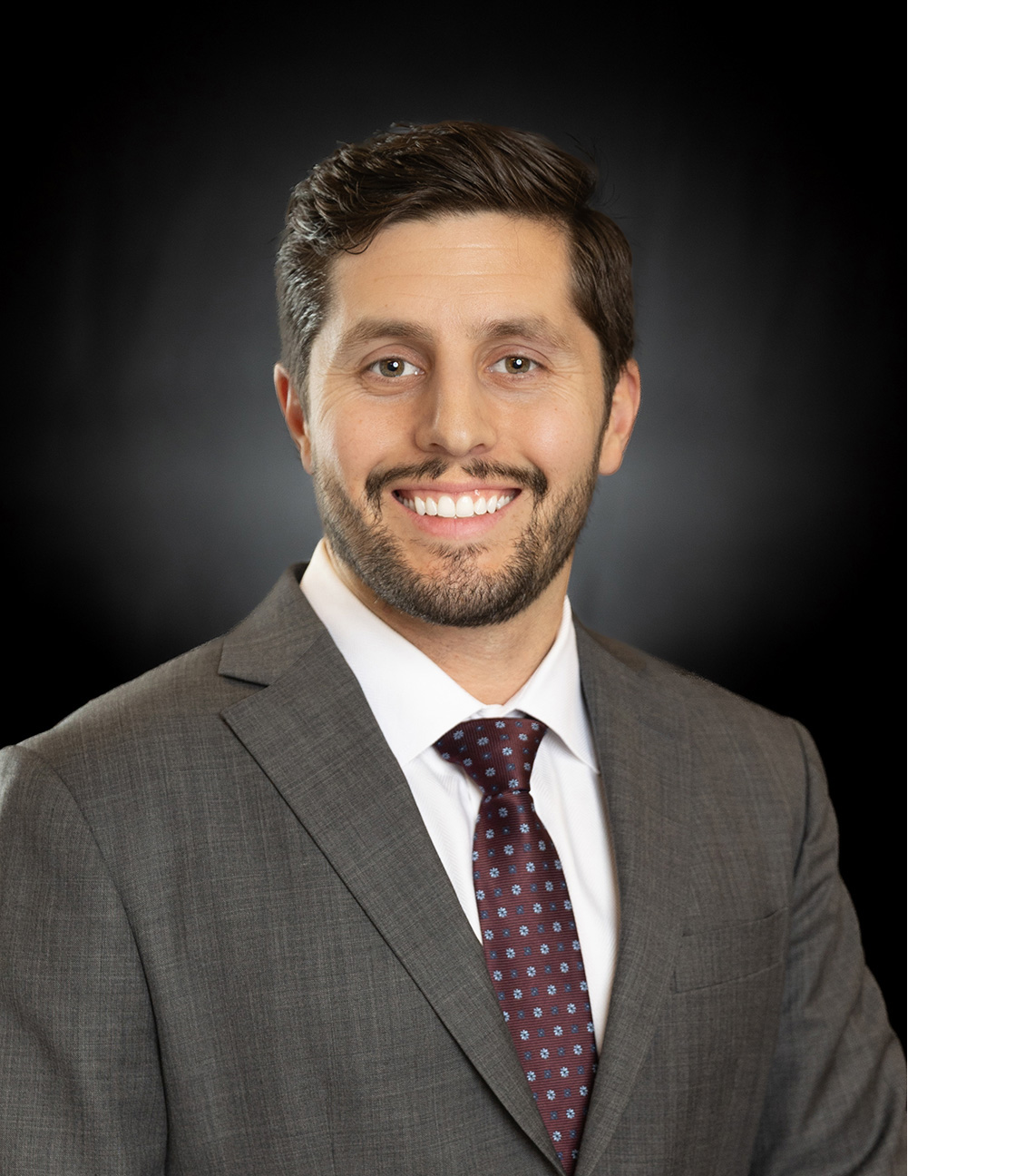 People often call farmers “resilient,” and there’s good reason. Whether they grow almonds or alfalfa, farmers rise before dawn, push through droughts and floods, and uphold a $60 billion industry that fuels our economy and feeds the nation and the world.
 But as farmers and ranchers work to keep California running, they’re often looking over their shoulders—not only at the weather or the uncertainty of commodity prices but at thieves looking to make a quick buck. Rural property and agricultural crime are quietly devastating farm communities, jeopardizing livelihoods, and putting public health and safety at risk.
A single theft can cripple and close any farm. Tractors, irrigation pumps, copper wire, solar panels and harvesting equipment aren’t luxuries—they’re necessities. Replacing them can cost upward of six figures.
Last year, thieves in Kern County caused more than $30,000 in damages by stealing copper wire, one of many similar cases across the Central Valley. Additionally, in Monterey County, multiple tractors were stolen in a single week.
These crimes ripple outward: Delayed harvest can mean lost crops, higher insurance costs and ultimately higher food prices for families. For example, one Kern County farm family has had multiple quads stolen, damage to their shops and gates, and copper wire stolen, totaling more than $100,000 worth of stolen property and damage.
Too often, law enforcement and our communities are forced to clean up after those who willingly break the law with no regard for the destruction they leave behind. In Fresno County, for example, where criminals illegally dumped animal carcasses, local sheriffs should have every resource at their disposal to find those responsible.
What’s happening in Fresno, Kern and Monterey counties reflects a larger statewide crisis. And with an uncertain economy on the horizon, offenders are further pushed to more and more crime.
Farm bankruptcies are on the rise again. California currently leads the nation’s 216 cases, with a staggering 17 of our own. While 93% of California farms are family owned, with an industry that is already running on fumes, these impacts are very real, personal and unaffordable. Every dollar counts to a family farm that knows their books inside and out.
When it comes to the response to crime, rural sheriff’s departments are doing everything they can, but they are often stretched thin. Many counties face chronic staffing shortages, long patrol distances and rising calls for service. Officers often cover hundreds of miles, leading to response times being measured in hours, not minutes as they should be. Many rural counties have three to four deputies patrolling at some hours. With the size of some large rural areas, there just aren’t enough deputies to keep working lands safe.
It’s not for lack of effort. It’s lack of resources. Dedicated agricultural crime units and specialized investigators have proven successful when they exist. The California Rural Crime Prevention Program, active in the late 1990s, provided training, coordination and intelligence-sharing among counties. It worked. But when state funding ended in 2002, these task forces slowly faded, leaving a gap that rural communities still feel today.
The good news is we know what works. Crime prevention is not only more effective than reacting after the fact. It’s also far less expensive. Restoring funding to this program is a long-term win that protects farmers, strengthens public safety and rural communities, and safeguards the food system that feeds all Californians.
With state support, counties could reestablish dedicated rural crime teams, install modern crime prevention technology, expand property-marking and equipment registration systems, and improve coordination with utilities to reduce copper wire and infrastructure theft. Task forces could also map high-risk areas, conduct proactive patrols during harvest seasons and partner with farmers to implement prevention strategies that are proven effective.
In an era when organized theft rings are more sophisticated, a modernized program could connect rural investigations to broader criminal networks, improving deterrence. These efforts would protect farms, but they would also protect California consumers by reducing supply-chain disruptions, helping stabilize food prices and keeping essential infrastructure—from irrigation to energy—functioning safely.
Farmers and ranchers shouldn’t have to be resilient. They should have laws that work to protect them so they can spend their time farming and doing what they do best. And law enforcement should have funding to properly do their jobs.
Farmers and ranchers across the state may not see eye to eye on everything, but many tend to agree that agriculture is their legacy. They want future generations to have the opportunity to carry on the work they’ve done. But that farm must still be around for that to happen. By restoring and expanding funding for California’s Rural Crime Prevention Program, state leaders can safeguard farms, strengthen public safety and ensure that the families who feed us all can continue to do so for generations to come.
Steven Fenaroli is a director of policy advocacy for the California Farm Bureau. He can be reached at sfenaroli@cfbf.com.
See related news stories...
- Federal injunction grants small farms reprieve from reporting rules
- Commentary: To tackle rural crime, we should pass Proposition 36
- Agencies identify organized farm equipment theft ring

- January 14, 2026
- Commentary: English language program helps farms, employees
-
By Ana Negoescu and Bryan Little
For nearly a century, Spanish-speaking workers have been a critical part of American agriculture’s labor force. While the people coming to work on farms bring their talent, loyalty and leadership to the vital work they do, language barriers often create difficulty when it comes to elevating employees to supervisor or leadership roles.

Ana Negoescu The Pinery LLC, a California-based, family-owned tree grower and wholesale plant nursery, understands that struggle all too well. A member of Farm Employers Labor Service, a California Farm Bureau-affiliated company, The Pinery—like many employers—was looking for ways to improve its employees’ productivity and safety on the job while also retaining valuable talent.
This need is what brought The Pinery to English Advance, a project of the National Immigration Forum. It’s a project that can benefit all of us.
English Advance provides agriculture-tailored English instruction to farmworkers, giving them the communication tools they need to continue their path to success. With funding leveraged from the California Employment Training Panel Workforce Literacy Pilot, The Pinery was able to offer classes designed in partnership with FELS and taught by community college faculty during the workday.
Leaders at The Pinery see the program as a way to invest in employees, strengthen operations and prepare leaders, according to a manager who saw the success of the program through their employees’ growth. The business has decided to continue to invest in its workforce by offering another class next year.
It’s a sentiment shared across industries in which, over the past few years, English Advance has helped employees succeed thanks to their hard work and employers’ forethought. Now we’re excited to offer a special program tailored to the needs of farmworkers and their employers.
These English lessons are created with agriculture settings in mind. Students learn English language skills related to farm operations; employee safety; hygiene and food safety; team leadership and communication; interactions with human resources, landowners and upper management; and other sector best practices and regulations.
The agricultural industry is facing a nationwide labor shortage that we have seen coming for several years. The workforce is aging, and people whose families have been working in agriculture for centuries are now choosing different paths. Farms are facing these challenges head on, but every little bit of assistance and reinforcement helps.
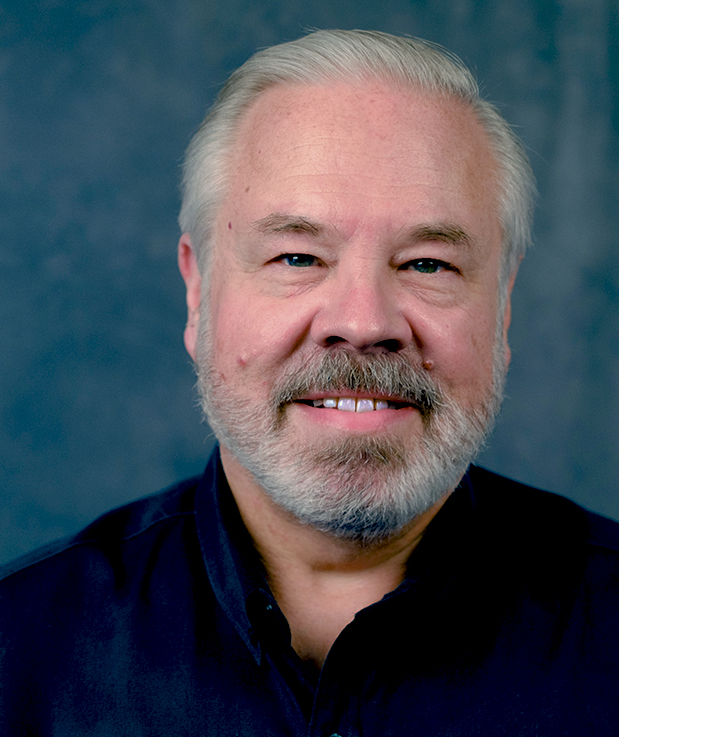
Bryan Little Here in California, the need is great: California agriculture relies on the talents and skills of our workforce to produce the food that feeds America. That’s why the California Farm Bureau and FELS partner with the Forum to develop and deliver English Advance to member businesses.
It’s a true partnership, with the Farm Bureau and FELS sharing not only our workforce challenges but also our existing training materials to inform a tailored English Advance curriculum and real-life, relevant language practice scenarios.
English Advance is one way to solidify the foundations that make a strong labor force, retaining existing talent while giving new talent the tools they need to succeed.
According to the 2022 National Agricultural Workers Survey, 73% of agricultural workers in the United States are Hispanic, coming predominantly from Mexico or Central America. With Spanish speakers making up so much of the workforce, the services employers offer can help get and keep employees on the job and on a clear path up the leadership ladder.
The Center for Land Based Learning’s AgHire program, a leadership training for the Spanish-speaking farm workforce, addresses this part of the workforce and has incorporated English Advance. As a result, employers have extra help in providing training in leadership and communications, digital literacy, regulatory awareness and English.
English Advance’s contextualized curriculum helps workers improve on-the-job communication skills and enables them to advance into roles such as foreman, field supervisor and manager. After piloting this model with 12 employers in 2025, we anticipate new cohorts this year.
With the challenges currently facing the agricultural industry, it’s important to focus on finding the best ways to adapt and grow. Without good workers, farms cannot function. Americans depend on us.
English Advance is ready to partner and help meet these challenges.
Interested California agricultural businesses, local Farm Bureaus and other organizations supporting the workforce can offer and cover the cost of training any time—and through April 1, businesses can leverage existing funding through the Employment Training Panel to access the training program at no charge. If you are interested in offering English Advance to your employees or for more information, contact Ana Negoescu at anegoescu@forumtogether.org.
Ana Negoescu is assistant vice president of Workforce Advance at the National Immigration Forum. She can be reached at anegoescu@forumtogether.org. Bryan Little is senior director of policy advocacy for the California Farm Bureau and chief operating officer for the affiliated Farm Employers Labor Service. He can be reached at blittle@cfbf.com.
- December 17, 2025
- Commentary: Empowering leaders safeguards agriculture's future
-
By Zippy Duvall
Farmers and ranchers understand it can take generations to build something that lasts. For example, when I look over my family farm, I can see the decades of hard work my grandfather and father poured into this land. Where there were once ditches and gullies, there are now rolling green hills. Those who came before me understood that their efforts weren’t just for themselves but for the generations to come.
This same principle of investing in the future is also a cornerstone of Farm Bureau. Our foundation was not built overnight but forged by a long line of leaders dedicated to those who would follow.
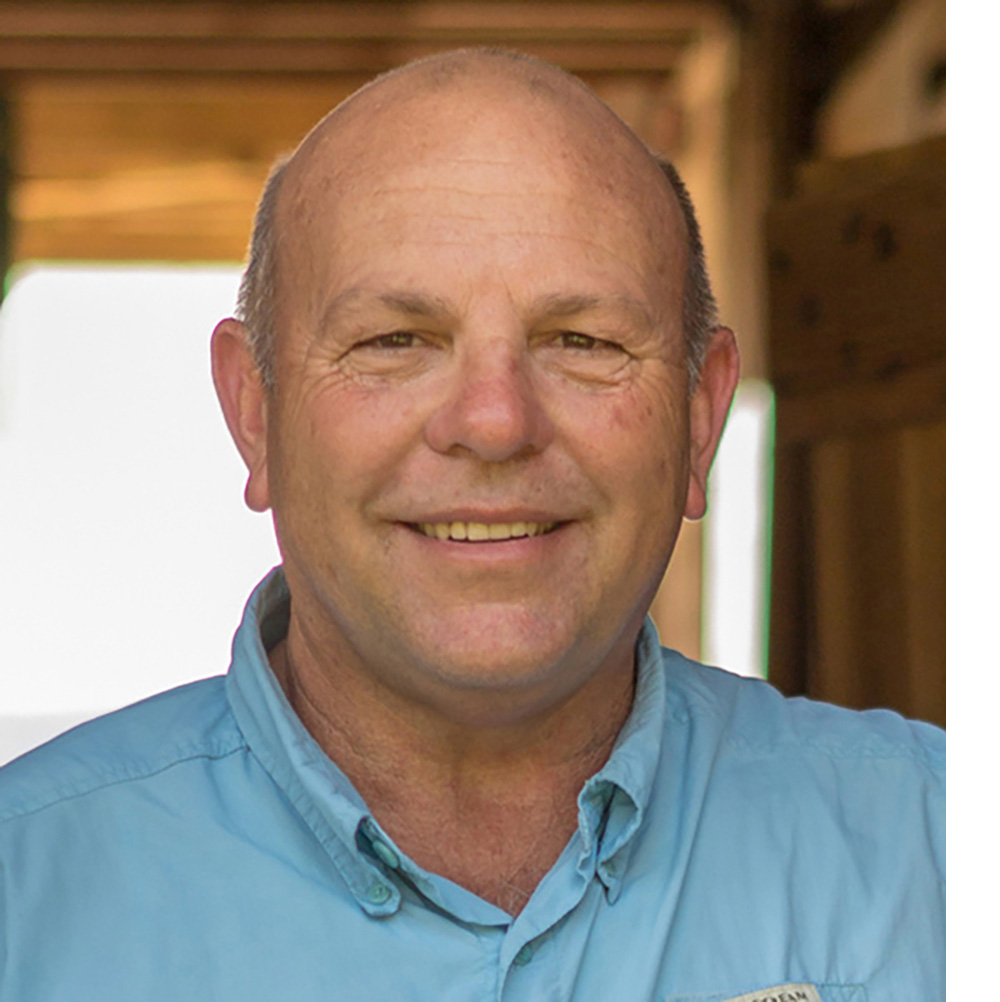
Zippy Duvall Believe it or not, I was once a young leader myself, but I wouldn’t have stepped up without encouragement from family and Farm Bureau. I was a product of the leadership pipeline through our Young Farmers & Ranchers program at Farm Bureau, from the county all the way to the national level. But it took extra encouragement for me to take the next step on my leadership journey.
It all started when my dad brought me along to a Farm Bureau meeting. He told me that if I wanted to make a difference for my farm and my community, I needed to get outside my fencerows. I took his advice, went to my first Farm Bureau meeting and came home as the chair of my county’s Young Farmer committee.
The leadership development programs and opportunities at Farm Bureau helped shape me and gave me the confidence and inspiration to serve in my community and at every level of the federation—from the county to the state to the national level. Just like membership begins at the county level in Farm Bureau, so does leadership—and my county Farm Bureau played a pivotal role in shaping my path.
Thanks to the encouragement of family, friends and other leaders, I kept taking the next step on my Farm Bureau journey, starting way back in 1982, when my local program coordinator came out to my farm and encouraged me to apply for the Young Farmer contest. When my late wife, Bonnie, and I won the national award at the American Farm Bureau Convention, I could not have imagined the path ahead. But our family stepped out in faith, and we kept taking each opportunity the Lord gave us.
Those early days in my Farm Bureau journey also gave me friendships that have lasted a lifetime. We talk a lot about family in Farm Bureau, and it takes a family to grow as a leader. My best advice for anyone looking to take the next step on their leadership journey in agriculture: Invest time building relationships with your Farm Bureau family. No matter where your journey takes you, this family will be right there by your side. Your Farm Bureau family will help lift you up in the hard times, and we will cheer you on and work with you to achieve great things for our communities and our country.
To our young leaders across agriculture, I am so very proud of each one of you for stepping up. You all are critical to the success of American agriculture and our mighty federation.
Remember that Farm Bureau has the resources and training to help empower you in the next level of your leadership journey. Every member has access to free tools and training through Farm Bureau University, where online modules are designed to fit into your busy day. Don’t hesitate to reach out to your county, state and national Farm Bureau. We are all here to serve you and to help spur you on.
 And to those of us who are just young at heart, let’s keep encouraging the next generation. If we want to secure a strong future for agriculture and Farm Bureau, we must do more than recognize rising leaders; we must empower their leadership journey. I urge you to consider who you might help bring along and encourage to take the next step as a leader. Remember: Leadership doesn’t just happen; it’s cultivated.
The future growth of our federation depends on rising leaders, those who are ready to answer the call and face both the challenges of today and the opportunities of tomorrow. Right now, we are facing some tough times in agriculture. We need young leaders to bring innovative ideas, strong voices and the determination to secure our sustainable food, fiber and renewable fuel supply.
The good news is that we have countless folks ready to carry the torch. We just need to tap them on the shoulder, give them opportunities to grow, and equip them with the skills and confidence they need. A lot of us, including me, wouldn’t be where we are today without the encouragement of the leaders who came before us. Now is the chance for us to do the same and empower our rising leaders.
Vincent “Zippy” Duvall, a poultry, cattle and hay producer from Georgia, is president of the American Farm Bureau Federation.

- December 3, 2025
- Inside Farm Bureau: Strong Farm Bureau roots help support agriculture
-
By Shannon Douglass
President
California Farm BureauAs we come together in Anaheim for the 107th Annual Meeting of the California Farm Bureau, our theme—“Strong Roots, Bright Future”—highlights the values and history that sustain us.
For more than a century, Farm Bureau has taken root in the strength of our members, our counties and our shared commitment to serve farmers and ranchers throughout the state. Those roots may not always be visible, but they are powerful—anchoring us through challenges, feeding our growth and allowing us to stand tall no matter what comes our way.
Annual Meeting gives us the opportunity to see those roots in action. It’s a time each year when we step out of the rush of daily work, come together as a community and take stock—of what we’ve built, what we’ve weathered and what we’re preparing to take on next. It’s also a time to appreciate what we have, acknowledge the challenges before us and, just as importantly, celebrate our wins.
Even in a difficult year, we have many wins to celebrate. We secured passage of the composting bill, a change our members have long sought and one that brings practical flexibility to day-to-day operations. We pushed back successfully against proposed coyote regulations that would have hindered effective on-the-ground management. And we protected the Williamson Act for another year—no small task in a challenging political landscape.
 These accomplishments reflect not only strong advocacy but the persistence and engagement of our members. They show that we can still move the needle, and they remind us why we show up in the first place.
As we head into 2026, that work continues. We will keep fighting for farmers and ranchers and looking for opportunities to make positive, practical changes. One area we are preparing to take on is long-overdue updates to the vehicle code—modernizing it to reflect the realities of today’s farm equipment, including autonomous tractors and the UTVs so many members rely on. These fixes began, as they often do, with members raising real-world problems.
That’s why we are continuing a priority that made such an impact last year: expanded listening sessions at Annual Meeting. The sessions last year were a tremendous success. Members came ready to describe what they were experiencing at home and ready to point out the obstacles standing in their way. Those conversations directly shaped the work of our Commodity Advisory Committees this past year, helping focus their discussions on the issues members identified. We expect the same this year.
Strong listening sessions lead to strong committee work. And even when a problem isn’t solved overnight, bringing it to light is often the first step toward solutions that benefit everyone.
That speaks to something foundational to who we are: The farmer and rancher voice remains at the heart of everything we do. You’ll see that at Annual Meeting this year, just as you did last year. And we intend to carry that forward—continuing to learn from the issues members raise, continuing to elevate real-world experiences and continuing to build the kind of engagement that drives meaningful change.
Energy remains another major issue for agriculture, which is why we are grateful to have Pacific Gas and Electric Co. CEO Patti Poppe joining us in Anaheim. Her willingness to spend a morning with us—and to take difficult questions from our members—reflects years of relationship-building and consistent engagement by this organization. Access at that level doesn’t happen by accident. It signals that Farm Bureau is being heard and that we are in a position to pursue real solutions to complex problems.
 Looking ahead, we are also investing in our own leadership. Over the past year, we have dedicated significant time to strengthening the professional development of our state board of directors and trying new approaches in our meetings. In the year ahead, we plan to extend that work to county leaders and staff. Strong leadership across the organization strengthens our shared foundation, and we are committed to supporting that growth.
All of this brings us back to our theme. So much of what keeps Farm Bureau strong is the part you don’t always see: the history, the relationships, the steady, behind-the-scenes work that forms our foundation. Those roots allow us to stand firm on issues like Proposition 50, even when we are standing largely alone. We don’t choose positions based on convenience; we choose them based on what is right for our members. And while we will not win every fight, we will always show up.
As we gather in Anaheim—celebrating, recharging and reconnecting—I look forward to the engagement and energy our members bring each year. Annual Meeting is a time to honor what we’ve accomplished, to listen closely and to look ahead with purpose.
We have strong roots. We can see a bright future. And together, we will keep showing up—for each other and for the future of California agriculture.

- November 19, 2025
- Commentary: State vet reflects on her work as animal health chief
-
By Annette Jones
“I have run a good race.”
I heard that in church last week and wondered, what does that mean as I approach retirement after almost 20 years as California state veterinarian?
I can honestly say that my belief in California agriculture and serving the public has consistently come first for me. I reliably stepped up to the plate when called upon. I never quit even after making mistakes. I learned. But I was also surrounded by opportunity, good mentors and talent in my entire career. I was given the chance to run a very good race.
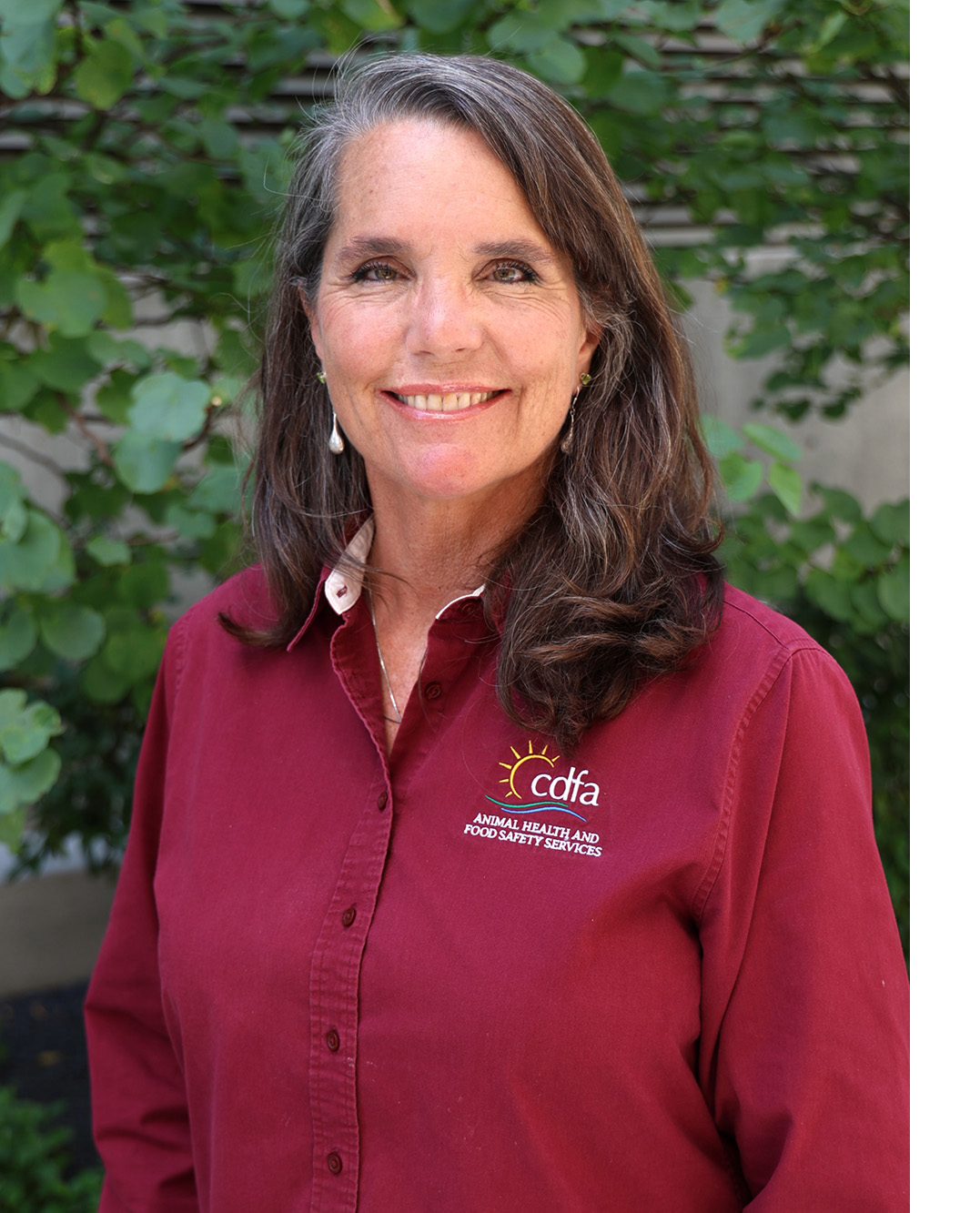
Dr. Annette Jones In 2001, when I joined the California Department of Food and Agriculture, the United Kingdom was experiencing a devastating outbreak of foot-and-mouth disease, or FMD. While our more seasoned veterinarians traveled there to assist, I was paired with one of the most experienced veterinarians in the country to draft the state’s FMD plan. The stories coming back from the UK were devastating and foundational: Outbreaks affect people, not just their animals.
That was also the year we were shocked and saddened by the 9/11 terrorist attacks. We became aware of plots that considered anthrax, FMD and botulism as agroterrorism weapons to destabilize the U.S. We looked at vulnerabilities and hardened targets where we could. While we were worried about intentional introductions of disease, California faced naturally occurring cases of anthrax in cattle, highly pathogenic avian influenza in a turkey breeding flock and tuberculosis in cattle.
Fortunately, in those early years we had some wins. One of my favorites occurred when industry experts, university veterinarians and CDFA worked together to eradicate low-pathogenic avian influenza from poultry with more stringent biosecurity measures and vaccination.
My opportunities to serve agriculture and the people of this state continued when I was deployed to Southern California as incident and area commander during the Newcastle disease outbreak in 2002 and 2003. I was mentored in emergency management techniques by some of the best CalFire commanders as we scrambled 1,500 state and federal employees to successfully prevent this deadly virus from getting a foothold in North America.
This was the first large-scale use of the Incident Command System for an animal health event. This outbreak and a similar one that occurred 15 years later required genuine commitment to the correct course of action because the decisions made for the good of all poultry owners in North America were excruciatingly painful to those in the path of the outbreak.
California’s first detection of bovine spongiform encephalopathy, sometimes referred to as “mad cow disease,” came in 2012. While it affected just one cow, it brought a particular appreciation for the importance of credible government programs in the face of trade embargoes triggered by high consequence disease.
When representatives from multiple key trading partners visited to verify our systems, they were consistently satisfied that our brand inspection, or cattle ownership verification, milk and dairy food safety, rendering and animal health monitoring systems were beyond reproach. Interestingly, they also found it important that the state had a cooperative relationship with the federal government. Regardless of politics, at the working program level, we always strive for mutual respect and cooperation because to ultimately succeed, the U.S. Department of Agriculture needs us, and we need them.
Besides these early experiences, my career at CDFA included many other disease outbreaks in a number of livestock and poultry species; natural disasters; the COVID pandemic; antibiotic resistance; meat, dairy and egg recalls; and other challenges. They all required teamwork, science-driven decision-making, the commitment to do what is best for public health and the future of agriculture, and clear communication. They all required talented and dedicated staff and partners to successfully address.
The biggest challenge of my career began in 2022 and escalated each year thereafter as we face a new strain of highly pathogenic avian influenza. The virus exploded through dairies and poultry flocks last winter despite efforts to reduce impacts, testing the resilience of our farmers and staff like no other outbreak has. While the disease impacts are distressing, it is rewarding to wrap up my career with a renewed appreciation for how proactive our producers and processors can be—and how talented the CDFA and USDA teams are.
Looking forward, my hope is that the spirit of cooperation continues as California farmers and ranchers face new threats and that we keep focusing on getting the job done with mutual respect. I am confident in the excellent staff that will carry on the CDFA Animal Health and Food Safety programs. An early mentor told me that you can survive as state veterinarian through openness to change and by being true, listening to others, making science-based decisions and being respectful—words I have tried to remember in this 20-year race.
Annette Jones is the state veterinarian for the California Department of Food and Agriculture. She can be reached at annette.jones@cdfa.ca.gov.
See related news stories...
• Southern California a focus in screwworm preparedness
• Dairies use IVF to tap strong beef market
• State Senate hears about response to bird flu outbreak
- November 5, 2025
- Inside Farm Bureau: If farmers don't tell their stories, somebody else will
-
By Andrew Leimgruber
Imperial County Farm Bureau first vice presidentI’m a fourth-generation farmer in Holtville, located in the Imperial Valley near the U.S.-Mexico border. My family emigrated from Switzerland in 1918, and we’ve farmed much of the same land for more than 100 years. Today, I’m raising the fifth generation. Our primary crop is alfalfa, but we also grow produce such as onions, carrots and leafy greens and other forage crops such as grass hay, wheat and corn.
Farmers tend to keep to themselves, but we have a great opportunity to tell our story, thanks to the farm-to-fork movement and increased interest in where food comes from. We have to be advocates. I speak up—even if there’s a chance I’ll be misquoted—because no one will tell our story better than we do. If I don’t speak, someone else will, and they may not get it right.
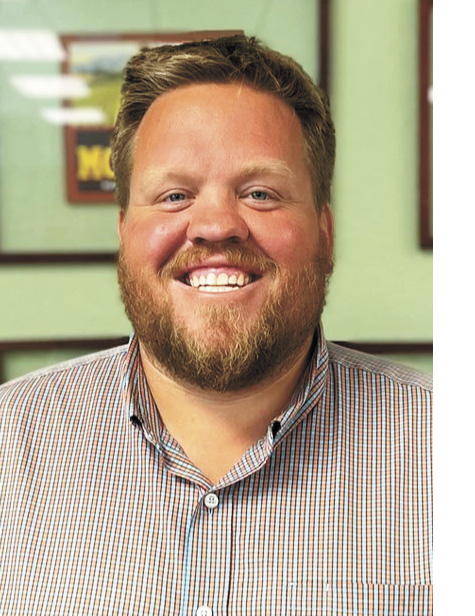 In the U.S., we enjoy the safest, most affordable and readily available food supply in history. The fresh produce that we grow is medicine. If you want a Caesar salad in January, it likely comes from Imperial. During winter, we supply 90% of the nation’s leafy greens.
 Farm Bureau’s Food Check-Out Week highlights how, by early February, the average American has earned enough income to pay for his or her annual grocery bill. In Europe, food costs can be nearly half of a family’s income.
The dilemma in California is consumers support high standards for labor and food safety, which bring farmers added regulations, yet at the grocery store, they are willing to buy less expensive imported produce that doesn’t have the same standards.
Anyone who farms in California has dealt with water issues. Farmers must show the value we bring to justify our water use. Imperial Valley farmers hold some of the most senior rights to Colorado River water. My great-grandparents farmed here before Las Vegas existed, yet because our irrigation district is the largest user on the river, we are targeted.
It is my job to remind people that we are growing the population’s food. People say 40 million use Colorado River water, but in reality, hundreds of millions rely on it for food. If you wipe the region’s farmers off the map to solve a water crisis, in the process, you’re going to create a food crisis.
I’ve done many media interviews, but this was my first year doing live national TV spots. I was interviewed by Fox News about the Colorado River. A week later, they called me to talk about tariff issues affecting agriculture and another time to talk about Chinese ownership of U.S. farmland. During one segment, an economist spoke on behalf of tariffs affecting big corporations. I followed by saying that many farmers support efforts to level the playing field when it comes to tariffs. Short-term pain can lead to long-term gains.
Short interviews and sound bites don’t always capture the farmer’s story well. Years ago, I gave a Las Vegas TV crew a half-day tour of our conservation efforts—our technology and water efficiency—but only a 2-minute piece aired. Still, the same folks who enjoy the salad bar in a casino are eating what we grow. Getting people to understand this disconnect is a reason I keep advocating. Longer-format coverage, such as podcasts and documentaries, allow farmers more time to talk about the real work we do, the challenges we face and why farming matters.
Much of my advocacy connects back to my Farm Bureau role. I serve as first vice president of the Imperial County Farm Bureau. I’ve chaired our water and political affairs committees. We started a political affairs committee because local elections have massive impacts on farming. When I returned from college more than a decade ago, some on the five-member irrigation district board were anti-agriculture, which made no sense. Our ancestors built this district, so farmers should be represented. We worked to elect directors who advocate for our efficient water delivery. Since we got involved, we no longer have an anti-agriculture board, and we have farmers at the table.
Our county formed a political action committee, and we produce a voter guide and regularly meet with candidates. Right now, we’re tackling big issues such as solar energy development on farmland. Sometimes getting involved means taking tough stances, even within our community. In small counties, elections can be decided by just 60 votes. Our 550 Farm Bureau members are highly engaged voters—and that makes a real difference.
To increase Farm Bureau membership, we must show its value. We defend and advocate for agriculture in the Imperial Valley. All the major agricultural boards here share one thing: They are Farm Bureau members. We are the unifying voice, and others want to align with what we’re doing. In Imperial County, Farm Bureau leads the way—and we plan to keep it that way.
Andrew Leimgruber is first vice president of the Imperial County Farm Bureau and a partner and farm manager at Leimgruber Farms in Holtville. He can be reached at media@cfbf.com.
See related news stories...
• Inside Farm Bureau: Farm Bureau remains rural health, safety champion
• Inside Farm Bureau: Legal successes deliver results for California farmers
• Inside Farm Bureau: Farm leader shares thoughts on balancing work, life
- October 22, 2025
- Commentary: Foundation's work uplifts farmworkers, helps farms
-
By Bryan Little
California farmers face unprecedented challenges this year, from soft commodity markets to shrinking availability of water for irrigation. Immigration enforcement activities add a new dimension to the familiar challenges of operating a farm or ranch in California.
Recent activities—and the social and legacy media buzz they generate—have caused concern and stress for the hundreds of thousands of people who work on farms and ranches and in associated agricultural businesses. These people came to California to work in our food and agriculture industries, many of them decades ago, with no real opportunity to first gain legal status and no real opportunity to correct that situation as they built families and lives, paid taxes and participated in our communities. They plant, harvest, prepare and pack California’s agricultural bounty, feeding America and the world; they are an integral part of California’s $61 billion food production sector.
Bryan Little Immigration enforcement, however, is only the latest challenge faced by farm employees and rural communities across California. People in our workforce face other social challenges such as limited literacy, numeracy and technological literacy, which limit opportunities for economic and social participation that would otherwise be open to them. Issues such as their immigration status and limited literacy can challenge their ability to do something as simple as open a bank account, forcing them to rely on dubious and expensive alternative sources of financial services.
Legal status and financial and literacy challenges play out in other ways to hamper their ability to feed, house and otherwise care for themselves in a state that features some of America’s highest living costs. These issues are exacerbated by health challenges stemming from poor dietary habits, limited access to preventive medical care and the management of chronic diseases such as high blood sugar and diabetes—conditions that significantly affect our workforce.
The California Farmworker Foundation, headquartered in Delano, was established in 2016 to address a range of pressing community issues, including health care, housing and food insecurity. Focusing on Kern, Tulare, Madera, Fresno, Santa Barbara and Riverside counties, CFF is engaged in critical, innovative farmworker services meeting those challenges for California farmworkers and their families. CFF offers important support through education and services for this community, building alliances with community partners to provide educational, civic and social service support to families in need.
The foundation’s civil assistance services address needs that have become increasingly apparent in recent months. They support farmworkers by helping them comprehend educational materials regarding their rights, facilitating connections with community partners for immigration-related legal services and providing access to essential services such as locating a reputable public notary—an often challenging task for a predominantly unbanked population.
California Farm Bureau and its affiliated company Farm Employers Labor Service have featured CFF’s work in resources provided to FELS members. A recent webinar featured and highlighted CFF services, and FELS and Farm Bureau members can access those services for their members and agricultural employees.
Earlier this summer, a group of farmworkers played an important role in the efforts of agriculture policy advocates by coming to Sacramento to advocate on their own behalf. They sought to convince the California Legislature to help agricultural employers provide more hours of employment by giving a tax credit to defray the cost of overtime premium pay.
An effort to address farmworkers’ concerns about fewer working hours and less take-home pay, Senate Bill 628, by state Sen. Shannon Grove, R-Bakersfield, was the subject of an unusual hearing where more than 30 farmworkers testified in support of the bill, which was opposed by the California Federation of Labor Unions and self-appointed farmworker advocates. Wearing T-shirts that said “No Horas, No Pago,” or “No Hours, No Pay,” farmworkers explained how their families would have benefited from the tax credit.
While the effort to pass SB 628 was ultimately unsuccessful, for the first time, workers spoke directly to policymakers about their deep concerns about the impact of California’s 2016 agricultural overtime law, which has had the perverse effect of diminishing their standard of living. CFF’s efforts to bring farmworkers to Sacramento were pivotal in having their voices and stories heard.
The next step for the foundation is to form the Farmworker Advisory Council, featuring farmworkers who can talk to policymakers and influencers about farmworkers’ needs and the foundation’s efforts to meet those needs and create a safe platform for farmworkers to speak out. In this way, the foundation will facilitate an honest, unfiltered voice for farmworkers to communicate their needs and desires directly to decisionmakers.
The foundation is in a unique position to support California’s farmworker population, while Farm Bureau members are especially well-placed to provide valuable support to CFF. The California Farm Bureau has already facilitated a key connection between CFF leadership and the California Problem Solvers Caucus, a bipartisan, bicameral group of legislators committed to moving beyond partisan gridlock in Sacramento to pursue practical, real-world solutions.
At the California Farm Bureau and FELS, we look forward to helping CFF with its important work. We hope you’ll take a few minutes to visit californiafarmworkers.org to learn more about the foundation’s initiatives focused on uplifting farmworkers, supporting farmers and ranchers, helping the industry navigate these difficult times and serving as an essential resource for California agriculture.
Bryan Little is senior director of policy advocacy for the California Farm Bureau and chief operating officer for the affiliated Farm Employers Labor Service. He can be reached at blittle@cfbf.com.
See related news stories...
• On the Record: Foundation offers farmworkers programs, services
• Advocacy in Action: Water, labor and endangered species
• Report assesses how farms adapt to labor shortages
- October 8, 2025
- Commentary: Farmers are key partners in managing subsidence
-
By Paul Gosselin
Parts of California have experienced subsidence, or the sinking of land, for almost a century, with some areas sinking more than 25 feet.
Subsidence is a known issue in California caused by various factors, including excessive groundwater pumping. This can lead to damaged homes, roads, bridges, levees, wells and irrigation canals, disrupting water delivery and most of all, costing Californians hundreds of millions of dollars in repairs annually.
Further, subsidence severely jeopardizes the long-term water supply reliability for agriculture.
Paul Gosselin Earlier this summer, the California Department of Water Resources released findings showing that subsidence has restricted State Water Project delivery capability by 3%. The SWP, one of California’s primary water storage and delivery systems, helps supply water to 27 million Californians and 750,000 acres of farmland and businesses throughout the state. By 2043, if no action is taken, the current trajectory of subsidence combined with climate change could reduce deliveries by up to 87%.
In addition, the Friant-Kern Canal experienced a 60% loss of conveyance capacity and required repairs of roughly $326 million being paid by federal and state tax dollars and local agency contributions.
The Friant-Kern Canal provides federal Central Valley Project water along the east side of the San Joaquin Valley, extending from Fresno to Bakersfield to more than 1 million acres of some of the nation’s most productive farmland and 250,000 residents. The limited capacity to deliver surface water in turn drives greater groundwater pumping and more subsidence, further reducing canal capacity. This cycle must be broken to ensure that our heavily relied upon infrastructure can continue to function and provide water for farmland and residents.
Avoiding and minimizing subsidence is one of the principal objectives of the Sustainable Groundwater Management Act.
In the San Joaquin Valley, where subsidence is most common, groundwater sustainability agencies are already taking steps to address the issue. But in many cases, the approaches are not consistent with the intent of SGMA, and rates of subsidence have not lessened. Additional guidance and assistance are needed for groundwater sustainability agencies to adopt strategies that protect local communities and statewide and local infrastructure.
Recognizing these challenges, DWR released a draft document on best management practices to help local groundwater sustainability agencies address this growing concern and support groundwater-reliant communities.
The document, which can be found at https://water.ca.gov/-/media/DWR-Website/Web-Pages/Programs/Groundwater-Management/Subsidence/Files/Subsidence_BMP_Public_Draft.pdf, provides information about the basics of subsidence, how to best manage it and available technical assistance for groundwater managers.
This document does not replace any existing local, state or federal regulations but serves as a resource that local groundwater sustainability agencies can add to their water management toolkit.
Implementing strategies to minimize subsidence will be difficult and complex. The specific decisions on how to address subsidence must remain at the local level. Understanding that grower involvement in these decisions is critical and will help frame better outcomes, we encourage the agricultural community to participate in their local groundwater sustainability agency process.
California has made great strides since passing SGMA in 2014. Thanks to the work of our local partners, the department has reviewed more than 100 custom tailored groundwater sustainability plans designed to protect drinking water supplies and the communities that rely on them.
These plans, alongside other SGMA efforts such as LandFlex—which helped save more than 100,000 acre-feet of groundwater and reduced the overpumping of groundwater on Central Valley farms—underline the importance of working together to tackle California’s groundwater challenges. In order to continue building off this momentum, local agencies and users must unite to better align and implement strategies throughout their basins to see results in reducing subsidence.
Regardless of a groundwater basin’s current conditions, the finalized best management practices document, along with support from DWR’s assistance team and regional office staff, will help water managers through their decision-making process to better manage groundwater conditions to avoid or minimize subsidence and achieve their sustainability goals.
Minimizing subsidence is important to the long-term sustainability of agriculture because many growers rely on water supplies affected by subsidence.
For more information, visit:
• Sustainable Groundwater Management Act webpage at https://water.ca.gov/Programs/Groundwater-Management.
• What is Subsidence and How Does it Impact the Ground Beneath Our Feet at https://water.ca.gov/News/Blog/2025/Jun-25/What-is-Subsidence-and-How-Does-it-Impact-the-Ground-Beneath-Our-Feet.
• Subsidence webpage at https://water.ca.gov/Programs/Groundwater-Management/Subsidence.
• 60-Day Public Comment Period and Meeting Notice at https://water.ca.gov/News/Public-Notices/2025/Jul-25/DWR-Opens-60-Day-Public-Comment-Period-for-Draft-Best-Management-Practices-Document-on-Subsidence.
Paul Gosselin is deputy director of sustainable water management for the California Department of Water Resources. He can be reached at sgmps@water.ca.gov.
See related news stories...
• Bankruptcies show stress in farm economy
• Annual report shows major declines in farmland values
• State water official says more work needed as SGMA evolves
- September 24, 2025
- Inside Farm Bureau: Why farmers and ranchers must reject Proposition 50
-

By Shannon Douglass
President
California Farm BureauVoters may have hoped for a break from politics in what is usually a nonelection year, but like it or not, a controversial special election is coming to California. This November, Californians will vote on whether to allow politicians to draw a new congressional map.
Proposition 50, which the California Farm Bureau strongly opposes, would throw out the congressional district maps produced by California’s independent Citizens Redistricting Commission—a voter-approved entity established in 2008 to prevent partisan gerrymandering—and replace it with the Legislature’s handpicked, self-serving maps through 2030. Because California’s constitution guarantees independent redistricting, the governor and Legislature must get voter approval.
Proposition 50 poses a threat to Farm Bureau members because it will undermine rural representation in Congress. California leads the nation in agricultural production thanks to the hard work our farmers and ranchers put in every day. Protecting the people who supply our food is critical to our state’s future. With countless challenges facing agriculture, this is not the time to weaken our representation and our ability to enact policy solutions.
Farm Bureau’s opposition to Proposition 50 runs deeper than partisan politics and national headlines. As a nonpartisan organization focused on advocating for farmers and ranchers, we view this measure strictly as an attack on rural representation. We have been consistent on this issue for a long time. In 2010, the California Farm Bureau opposed Proposition 27—a politician-led effort to disband the Citizens Redistricting Commission permanently—and endorsed Proposition 20 to ensure that independent citizens drew California’s congressional districts.
Urban populations already dominate politics in the state, and rural communities struggle to influence policy on essential issues such as water management, labor regulations and environmental rules. Proposition 50 exacerbates this imbalance by redrawing the map so that rural districts, which currently represent cohesive communities and interests, are carved up and appended to urban-dominated districts whose constituents may have vastly different policy priorities.
The proposed map is among the most gerrymandered in California’s history. For example, Proposition 50 dismantles congressional District 1, the current North State district that extends from the Sacramento Valley to the Oregon border. The new boundaries divide this region into three districts, one of which uses a coastal panhandle to lump Modoc County in northeastern California with Sausalito, even though the former is closer to Idaho—two states away—than to the Golden Gate Bridge.
Fresno County, a major agricultural producer, is broken into six districts. San Joaquin County is divided five ways. Splitting communities prevents the formation of districts with concentrated rural interests. The result may be fewer representatives in Congress focused on the unique issues facing agricultural communities. That is undemocratic and unacceptable, and it threatens our ability to continue to be America’s breadbasket.
The districts proposed by Proposition 50 are temporary, but the ballot measure sets a dangerous precedent. It undermines the critical work of the independent Citizens Redistricting Commission and could lay the foundation for eliminating it permanently. Proposition 50 could also embolden future efforts to get rid of independent redistricting not only for federal districts but for state legislative districts, undoing voter-mandated reforms to eliminate self-interested redistricting. If Proposition 50 passes, there is no telling what may come next.
Given what is at stake, the opposition to Proposition 50 spans a diverse and bipartisan coalition that includes agriculture advocates, good governance groups, local elected officials, taxpayer organizations, social justice and community groups, and businesses. With Californians from all walks of life uniting to protect fair representation, Proposition 50 can be defeated.
Farm Bureau has a decades-long record of defending agricultural interests in statewide propositions. In addition to our support for the ballot measures that established the Citizens Redistricting Commission, we led efforts to defeat Proposition 15 in 2020, which would have increased property taxes on farmland by eliminating its Proposition 13 protections. When agriculture is threatened, farmers and ranchers must engage in coordinated advocacy to stand up and protect our future.
It is essential that we reject Proposition 50 and affirm that rural communities deserve equitable representation. Defeating this measure will signal to state lawmakers that California should not regress to an era of politically driven redistricting.
This November, Farm Bureau calls on all farmers and ranchers to vote NO on Prop 50.
Why get involved?
• The independent Citizens Redistricting Commission was established to take power out of the
hands of politicians who would draw
districts that favored them. An independent commission keeps the process fair and democratic.• The commission’s goal was to create
districts with as much similarity as possible. The new districts under Proposition 50 do away with that independent, nonpartisan process.
If passed, Proposition 50 will weaken rural representation.How can you make a difference?
• Vote NO: Ballots start arriving Oct 6. Vote NO, and make sure you send in your ballot right away.
• Share the message: Share your opposition with friends, coworkers and others in your circle of influence and encourage them to vote.
Sign up here: www.cfbf.com/prop50.
- September 10, 2025
- Inside Farm Bureau: Farm Bureau remains rural health, safety champion
-
By Jenny Holtermann
California Farm Bureau Rural Health and Safety Committee chairAs a fourth-generation farmer in Kern County, I’ve seen firsthand how the challenges we face in rural California go well beyond the crops we grow. Today, my husband and I farm almonds alongside his family and raise our two kids on our family homestead.
In agriculture, safety isn’t just about compliance—it’s about family. Many of us work alongside spouses, children and longtime employees who are considered like family. Making sure everyone comes home safe is the top priority.
 That’s why I’m honored to chair the California Farm Bureau Rural Health and Safety Committee. Our mission is to improve the rural way of life by focusing on three essential areas: farm safety, rural health and crime prevention.
 This past year, the committee revamped its approach to be more focused and action driven. We surveyed county Farm Bureau members to learn what safety workshops and resources they provided. In larger operations, in-house safety teams may be more sufficient for members. In others, Farm Bureau can play a role in providing information and hosting training sessions.
To better serve these needs, we created three subcommittees focused on farm safety, rural health and rural crime. We meet quarterly to identify needs and purposeful solutions. These groups bring together a unique range of voices: farmers, healthcare professionals, safety consultants and passionate advocates who want to make a difference.
To raise awareness about safety and health issues in agriculture, Sept. 22-26 is National Farm Safety and Health Week, promoted by the National Education Center for Agricultural Safety.
With harvest happening this time of year, slow-moving equipment is out in force, and we ask drivers to be patient and cautious on rural roads. It is time to remind farmers to maintain equipment visibility and ensure employees are trained on roadway protocols.
With a major rise in the use of UTVs and ATVs on farms and at home, Nationwide has excellent safety and responsible rider resources, and we’re working to get those materials into more hands. Nationwide’s Drive the 5 and Share the Road campaigns, which offer road safety tools for drivers, are also useful resources.
With California’s scorching summers, heat illness prevention can’t be overlooked. Providing water, shade and regular rest breaks is critical, not just to comply with state regulations but to protect lives. We encourage supervisors to check in with their workers. It’s not enough to hand out water; we need to make sure people are actually drinking it and taking care of themselves.
Rural health care is in crisis. Across the state, we’ve seen rural hospitals close, leaving people with 30 to 45 minute drives for basic emergency services. After hearing of the potential for a rural hospital closure in Glenn County, our committee launched a letter-writing campaign to elevate the issue to state and federal leaders. Legislators need to understand that in rural California, 30 miles can be a life-threatening trip or a serious barrier to care.
We’ve heard from rural doctors about the unique challenges they face, including staffing and funding. We’re committed to continuing this conversation and helping communities advocate for accessible, sustainable health care close to home.
Mental health is another pressing concern. Low commodity prices and skyrocketing input costs have placed unbearable stress on many of us. As an almond grower, I know the struggle. We haven’t seen real profit in five years. Whether it’s hotlines, stories or just creating space for honest conversations, we want people to know they’re not alone. Sometimes, being heard is the first step toward healing.
The committee also focuses on rural crime prevention. For many years, farmers have faced a rise in rural crime, including costly property crimes such as theft of equipment, metal theft and theft of crops. We are working with sheriffs’ departments to strengthen communication, awareness and response strategies. We want to help deputies help us by giving them the tools and understanding they need to protect rural areas.
The Rural Health and Safety Committee looks forward to continuing the momentum at Farm Bureau’s annual meeting, which will be held Dec. 6-9 in Anaheim. This is an election year, so we will be welcoming new committee members. To participate in the committee, you must be nominated by your county Farm Bureau. If you’re passionate about any of these issues, we need your voice at the table.
At the end of the day, it is about making sure that the folks who grow our food and sustain our rural economies can do so safely and with the support they deserve. Whether it’s improving road safety, advocating for rural hospitals, addressing mental health or helping prevent crime, our committee is committed to doing the work and making a difference.
Farm safety resources
www.necasag.org/nationalfarmsafetyandhealthweek/
www.fb.org/initiative/farm-state-of-mind
www.nationwide.com/agents/driver-safety/
Kern County farmer Jenny Holtermann serves as an advisory member of the board of the California Farm Bureau and is chair of the organization’s Rural Health and Safety Committee. She can be reached at media@cfbf.com.





.svg.png)
