


Melissa Hurtado on ag overtime: 'Everyone can win'
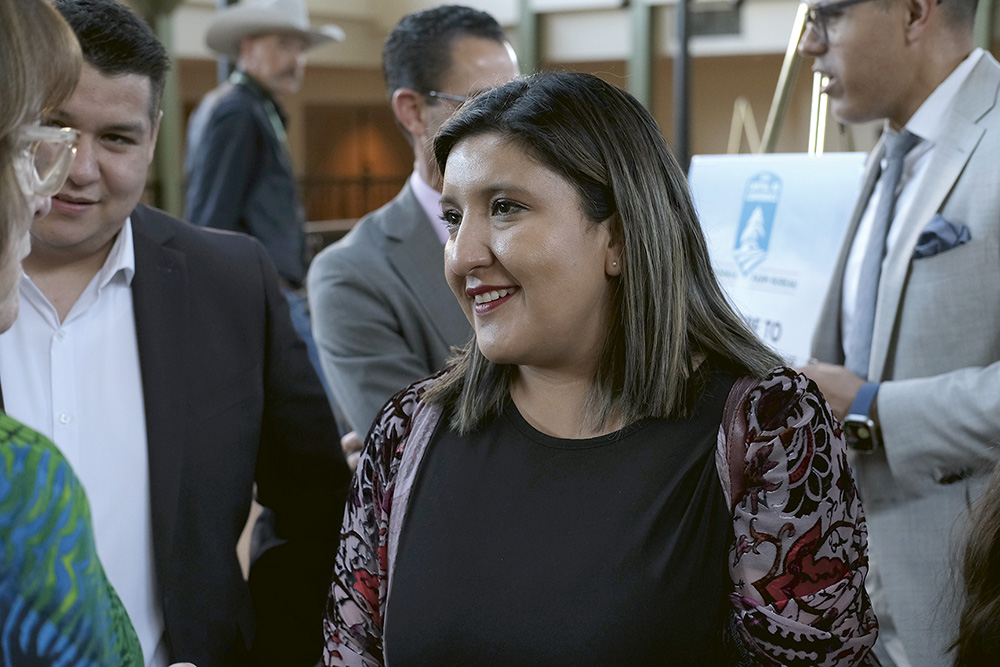
Hurtado pictured in 2024 in Sacramento. The San Joaquin Valley lawmaker coauthored Senate Bill 921, which would create a tax credit offsetting the cost to farmers of paying overtime premiums.
Photo/Caleb Hampton


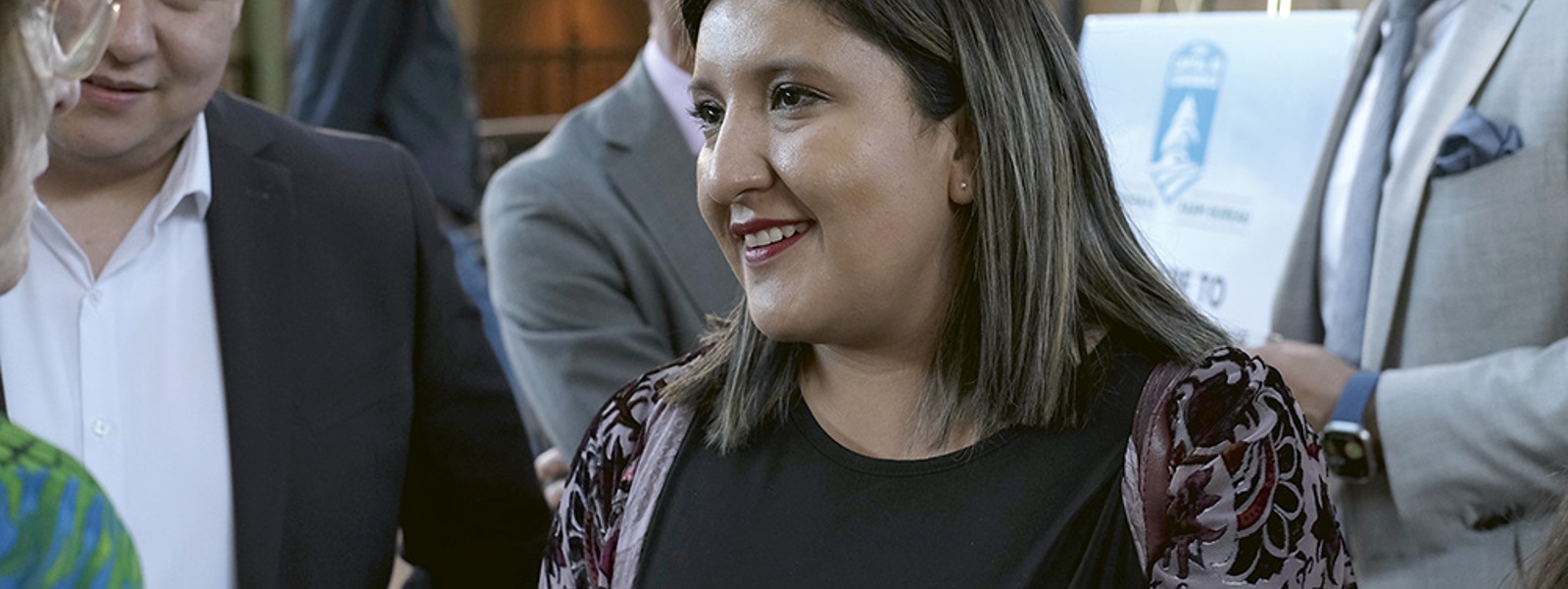
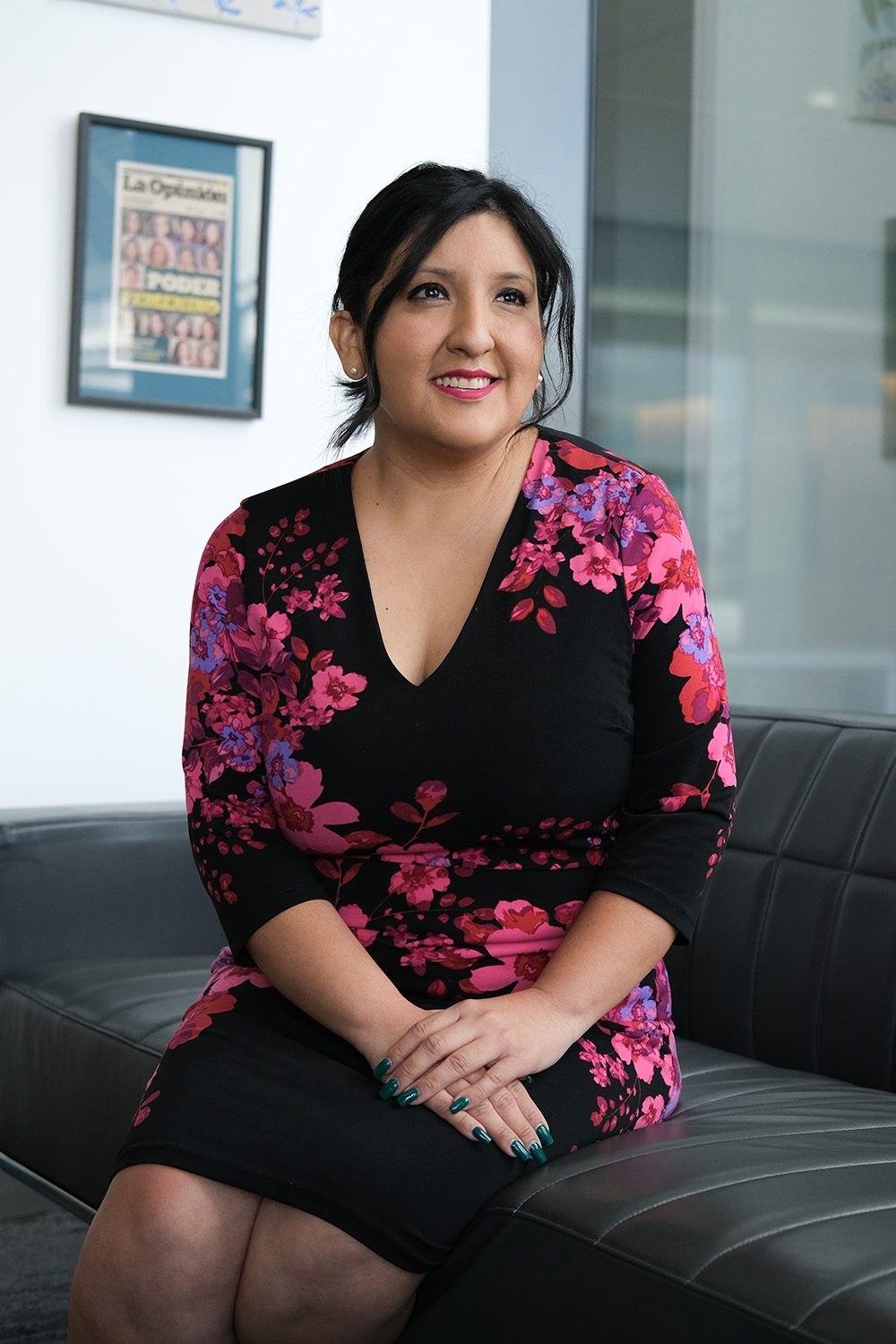
State Sen. Melissa Hurtado, D-Sanger, represents District 16 in the California state Senate. The district encompasses much of the southern San Joaquin Valley, including parts of Kern, Tulare, Kings and Fresno counties. Following research that showed California’s 2016 agricultural overtime law resulted in an overall decline in farmworker earnings, Hurtado coauthored Senate Bill 921, which would create a tax credit to offset the cost to farmers of paying overtime premiums. The below conversation was edited for length and clarity.
What are your policy priorities this year, particularly as they relate to agriculture?
I was fortunate to be appointed to a budget subcommittee that oversees the California Department of Food and Agriculture. I’m going to be looking very deeply into all the programs at the department and looking to see what’s working, what’s not working and what needs to improve so that it works for our farmers and ranchers across the state.
How can farmers and ranchers in your district work with you to help inform policy decisions?
By reaching out—reaching out to me, reaching out to the office. I always encourage individuals to do that because there can’t be an assumption that I know everything that’s going on. The more I know, the better I am at making an informed decision. So, I encourage everyone to reach out.
How can lawmakers from the Central Valley and those representing rural constituents ensure their constituents’ needs are met in Sacramento?
I don’t give up. When there is an issue, whether it’s legislation or a budget ask, just because I’m told “no” the first time doesn’t mean I stop at that. I keep going. I find a different way. I try to uplift those voices as much as I can one way or another, because the louder you are, the better shot you have at making the case and being heard. Those stories of struggle and the challenges my constituents face are at the forefront of my work. That’s what I’m focused on. So, just being persistent and pushing when I can and not losing hope.
You coauthored Senate Bill 921, which would create an agricultural overtime tax credit, offsetting the cost to farm employers of paying overtime wages. Why?
I wanted to support (state) Sen. Shannon Grove on this effort because we know this is a big issue for our constituents in the Central Valley. I’ve been working toward figuring out how to get a fix across the finish line. Obviously, (California’s 2016 agricultural overtime law) hasn’t been working for employers and employees. The more we continue to push, the more likely we are to find an answer. That’s why I’m strongly supporting these efforts.
Research has shown that California’s agricultural overtime law, which entitles farmworkers to time and a half for any work after 40 hours in a week, has resulted in an overall decline in farmworker wages. How have your constituents been affected by the law?
I’ve heard of employees having a difficult time making ends meet with reduced hours. Employers are also struggling to make ends meet for their businesses.
Photo/Caleb Hampton
Have constituents shared specific experiences with you?
Just going around the senate district at different types of events where there were farmworkers, I’ve had individuals come up to me and tell me that it’s killing them—that they’re getting reduced hours and they want more hours. It’s something I’ve been very vocal about, which is not a popular thing to do as a Democrat, but it’s a necessary thing to do. We can get it right. This doesn’t have to be a situation where everyone loses. Everyone can win. The employer can win, the employee can win, and we can win on our values of standing up for workers and getting them more pay.
What do you hope a tax credit offsetting overtime premiums would accomplish?
Some relief, some stability—for both the employer and the employee. That’s what they need.
A lot of industries would probably like some public support. Why is agriculture deserving of it?
We all need food to survive, especially at a time when you have global issues like what’s going on in Iran. The last thing we need is for our food supply chain to be impacted. If we don’t protect it and stabilize it, we’re all going to be impacted. It’s a national security issue, and it really starts here in California because we produce so much food.
Do you think more Democrats will get behind the bill?
I sure hope so. But more than anything, even if a bill doesn’t get through, there’s always an opportunity in uplifting the voices of those individuals that often don’t get heard. I tell this to my constituents: We have to continue to uplift the issue and their voices, whether through a bill or in the media, because it keeps the conversation going and it keeps the opportunity for a solution going as well. Perhaps it’s not in a piece of legislation but in the budget.
Given the opposition to SB 921 from labor unions, is there political risk for Democrats in supporting this kind of legislation?
I think there shouldn’t be. This is a labor issue. I support workers. That’s why I support this effort. There shouldn’t be a political risk. At the end of the day, we’re public servants, and our mission is to do what’s best for the public. I think that (organized) labor also has an interest in making sure workers get uplifted. I don’t think that the goals are different. I think they’re complementary. I just don’t think everyone sees it that way. We’re living in a time where it’s us versus them in all different types of scenarios. I’m saying that’s not the case. We all have a shared interest in doing what is best for our communities.
In this issue:
- Governor hopefuls vow to cut regulations
- Farmers gather to talk sustainability projects at dairies
- Engaged members unleash Farm Bureau's true force
- Melissa Hurtado on ag overtime: 'Everyone can win'
- From the Fields: Abi Dirske, Stanislaus County flower farmer
- From the Fields: John Pierson, Solano County rancher
- From the Fields: Celeste Alonzo, Riverside County vegetable grower
- From the Fields: Mitchell Yerxa, Colusa County Farmer
- Ingredient market increases demand for pistachios
- Despite acreage decline, asparagus growers hang on
- Democrats vying for governor criticize overtime law
- Harvest strategies for managing grain quality, safety risks and storage challenges
- Certified Crop Advisers guide growers in smart nutrient management
- Farm Bureau advocacy update: Labor, water, forests and tax relief
- Mentorship program grows next-generation farmers





.svg.png)
