


Farm Bureau advocacy update: Labor, water, forests and tax relief
Photo/Licensed image


Agricultural labor
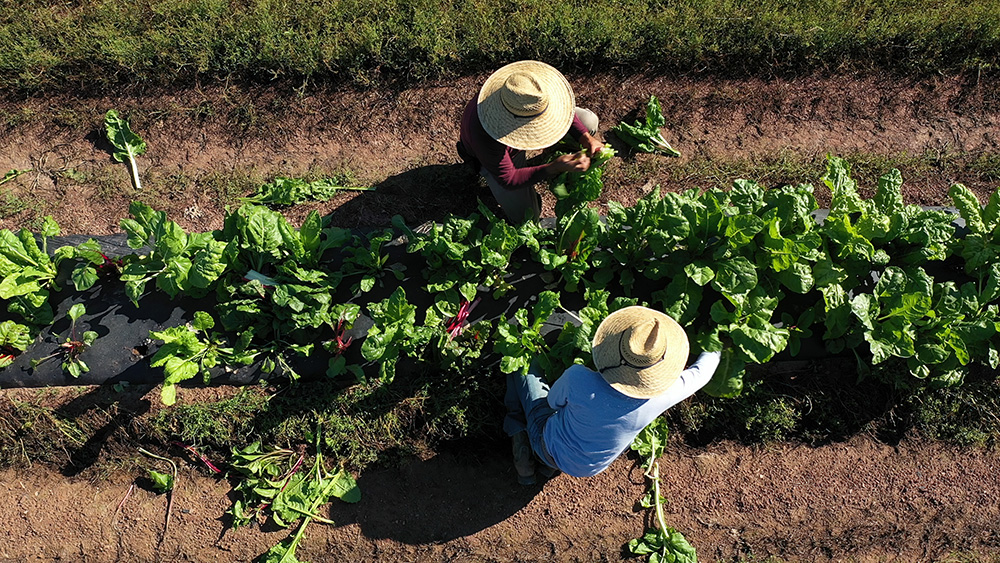
Assembly Bill 2646 by Assemblymember Maggy Krell, D-Sacramento, establishes a new minimum wage of $19.75 an hour for non-California resident “authorized” agricultural workers employed in the state and “corresponding” agricultural workers performing similar work. The bill is widely understood to target H-2A foreign temporary agricultural workers and those doing comparable work.
Amendments as of March 25 clarify that “corresponding” workers must be employed by the same employer of authorized workers within the same county to be subject to the higher wage requirement.
The bill would take effect next January, with annual cost-of-living increases thereafter. AB 2646 is pending in the Assembly Labor and Employment Committee and is expected to be heard April 22. California Farm Bureau opposes the bill.
Meanwhile, Farm Bureau continues to push lawmakers for agricultural workforce reforms. The California Air Resources Board has joined the effort. Earlier this month, it sent a letter to the state’s congressional delegation urging lawmakers to prioritize agricultural workforce reforms.
The letter follows similar efforts from other groups, including Farm Bureau, reflecting growing industry frustration with continued legislative inaction.
Key proposals, including the Farm Workforce Modernization Act and DIGNITY Act, have stalled in Congress, though there remains some hope that workforce priorities could advance before year’s end.
House Agriculture Chairman Glenn “G.T.” Thompson is preparing a bill focused on the H-2A temporary agricultural workers program to address ongoing workforce challenges, but timing for its release remains uncertain.
Nitrates in groundwater
The California State Water Resources Control Board released a draft report last week on nitrate leaching and potential nitrogen limits in agriculture.
The report comes from the second statewide agricultural expert panel, which the water board convened last year to review recommendations from the first expert panel and to identify critical data gaps in the nitrogen budget approach used for the Irrigated Lands Regulatory Program. It builds on existing water quality orders and could shape future statewide regulations.
California Farm Bureau plans to join at least two coalition letters that will provide comments on the report, due April 30 at noon.
Demonstration forests
Assembly Bill 2494 by Assemblymember Chris Rogers, D-Santa Rosa, passed the Assembly Natural Resources Committee on a 10-4 party-line vote. The bill would significantly restrict timber harvests across the state demonstration forest system.
California Farm Bureau and CalForests led opposition testimony, with Farm Bureau building a broad coalition that included numerous county Farm Bureaus. A FarmTeam Alert generated hundreds of member responses opposing the bill.
The committee adopted amendments, but the coalition remains opposed while continuing to work with the author’s office on potential improvements. The bill now moves to the Assembly Appropriations Committee.
Tax relief
Assembly Bill 2427 by Assemblymember David Tangipa, R-Fresno, and Assembly Bill 2192 by Assemblymember Jeff Gonzalez, R-Coachella, were set to be heard in the Assembly Committee on Revenue and Taxation on April 6. California Farm Bureau supports both bills, as they each aim to provide economic relief to California farmers.
AB 2427 would provide a personal income tax credit for qualified costs, while AB 2192 would provide a total sales exemption for agricultural product purchases. Each bill would create significant tax savings of hundreds of millions of dollars.
Senate Bill 881 by state Sen. Jerry McNerney, D-Stockton, passed from the Senate Revenue and Tax Committee on the consent calendar. Farm Bureau supports the bill, as it extends a food bank tax credit.
Because AB 2427 and AB 2192 impact the general fund, the health of the state budget will drive the success of the measures. Farm Bureau will continue to support and monitor the bills as dynamics unfold through late spring.

In this issue:
- Governor hopefuls vow to cut regulations
- Farmers gather to talk sustainability projects at dairies
- Engaged members unleash Farm Bureau's true force
- Melissa Hurtado on ag overtime: 'Everyone can win'
- From the Fields: Abi Dirske, Stanislaus County flower farmer
- From the Fields: John Pierson, Solano County rancher
- From the Fields: Celeste Alonzo, Riverside County vegetable grower
- From the Fields: Mitchell Yerxa, Colusa County Farmer
- Ingredient market increases demand for pistachios
- Despite acreage decline, asparagus growers hang on
- Democrats vying for governor criticize overtime law
- Harvest strategies for managing grain quality, safety risks and storage challenges
- Certified Crop Advisers guide growers in smart nutrient management
- Farm Bureau advocacy update: Labor, water, forests and tax relief
- Mentorship program grows next-generation farmers





.svg.png)
