


From the Fields: Mitchell Yerxa, Colusa County Farmer
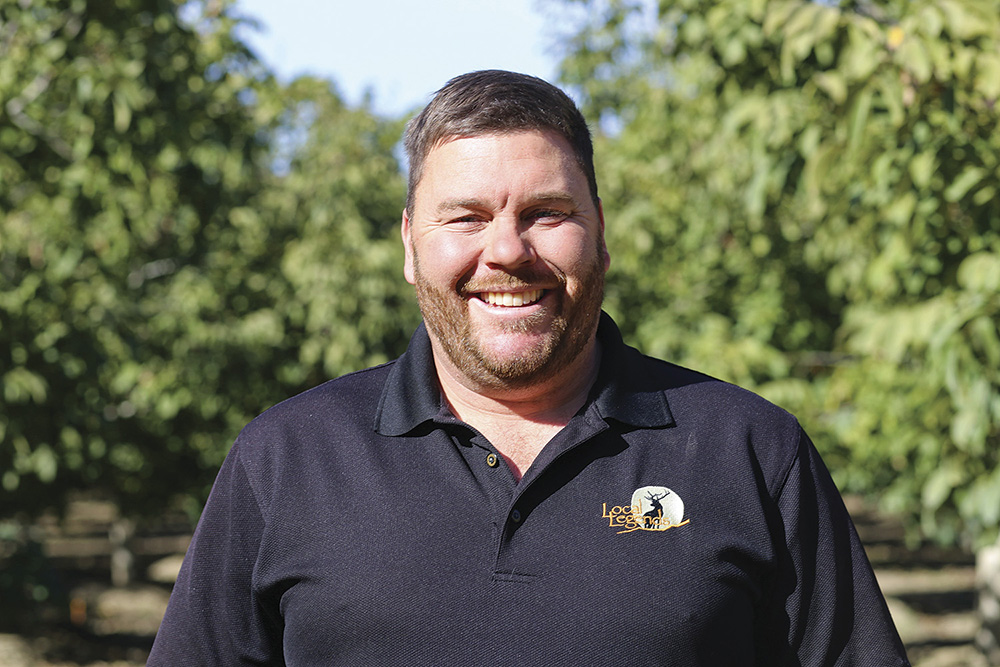
Photo/Courtesy of Mitchell Yerxa


By Mitchell Yerxa
Colusa County Farmer
Our ranch grows processing tomatoes, wheat, rice, corn, cucumber, watermelon, cantaloupe, squash, almonds, walnuts, pecans, sunflower and cilantro.
With the warm temperatures and lack of rainfall, we started planting last week and are currently planting safflower, sunflowers and corn, trying to capture free moisture in the ground.
We’re coming into nut formation on the almonds quite nicely. The walnut Chandlers and Howards are starting to bloom, and the pecans are also pushing bloom.
Most of the valley normally starts planting tomatoes in mid-March, but this year we were pushed back about a week to two weeks due to a shorter growing season.
Tomato acreage was cut significantly from last year, so they’ll have a shorter season at the cannery.
The almond market is holding better than tomatoes. Prices will be down from last year, and anytime you take a price cut with costs increasing, it feels less than ideal.
Walnuts are about where they were last year. Overall, we are OK, but nobody is turning down acres. Everybody is eager to plant whatever is available contract-wise.
We’ve been part of the H-2A program for seven or eight years. We have the same 12 guys who show up mid-April and stay until mid-November. They fill in when we need labor for tractor driving, harvest, planting and hand labor. It’s been an incredibly valuable tool. We’ve had a labor camp since the 1950s, so we already had the housing and infrastructure.
Roughly 80% to 90% of our water is Sacramento River or district water, so we’re in a different situation than others in the state. We’re trying to get crops up into deep moisture as fast as possible to delay irrigation and avoid bringing up weeds. Our goal is to run drip, furrow or sprinkler systems as little as possible. That said, we’ve already had to irrigate once or twice on all our almonds, which is unusual for this time of year, just to maintain moisture during nut formation.
In this issue:
- Governor hopefuls vow to cut regulations
- Farmers gather to talk sustainability projects at dairies
- Engaged members unleash Farm Bureau's true force
- Melissa Hurtado on ag overtime: 'Everyone can win'
- From the Fields: Abi Dirske, Stanislaus County flower farmer
- From the Fields: John Pierson, Solano County rancher
- From the Fields: Celeste Alonzo, Riverside County vegetable grower
- From the Fields: Mitchell Yerxa, Colusa County Farmer
- Ingredient market increases demand for pistachios
- Despite acreage decline, asparagus growers hang on
- Democrats vying for governor criticize overtime law
- Harvest strategies for managing grain quality, safety risks and storage challenges
- Certified Crop Advisers guide growers in smart nutrient management
- Farm Bureau advocacy update: Labor, water, forests and tax relief
- Mentorship program grows next-generation farmers





.svg.png)
