


Commentary: Proposed law would strengthen American wine label
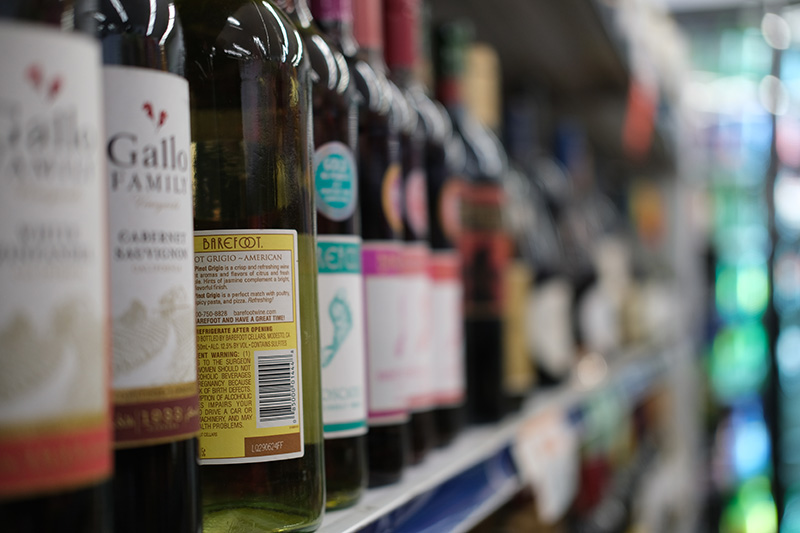
Assembly Bill 1585 would require that wines labeled “American” be made entirely from U.S.-grown grapes. Under federal law, that threshold is set at 75%, allowing wineries to blend in foreign wine.
Photo/Caleb Hampton


By Chris Reardon
California’s wine industry remains a cornerstone of the state’s agricultural economy. It shapes the Golden State’s global image and cultural identity. Yet in recent years, a growing disconnect has emerged between what consumers believe they are purchasing and what is actually in the bottle.

Assembly Bill 1585, often referred to as the “truth in wine labeling” bill, seeks to close that gap. By strengthening labeling standards and increasing transparency, the legislation delivers clear benefits to both California’s winegrape growers and consumers while reinforcing the integrity of one of the state’s most iconic industries. For these reasons, California Farm Bureau strongly supports AB 1585.
At its core, AB 1585 addresses a simple but important issue: honesty in labeling. Under current regulations, wines labeled with an American appellation can contain a significant portion of grapes grown outside the country. This creates confusion for consumers who reasonably assume that a bottle labeled “American wine” is made from American-grown grapes.
AB 1585 raises the standard by requiring 100% of grapes to be sourced from within the country if the wine is marketed as American wine. This ensures that labels more accurately reflect the product’s origin. Because 85% of the nation’s winegrapes are grown in California, most wine consumers naturally associate the American label with California vineyards.
For consumers, this is a matter of trust. Today’s wine buyers are increasingly interested in where their products come from, how they are produced and the value behind them. Transparency is no longer a luxury; it is an expectation.
When consumers pick up a bottle labeled as American wine, they deserve confidence that they are supporting California agriculture. AB 1585 provides that assurance, empowering consumers to make informed purchasing decisions and strengthening their connection to the state’s wine industry.
For California’s winegrape growers, the benefits are even more direct. Growers invest significant time, labor and resources into cultivating high-quality grapes under some of the most rigorous environmental and labor standards in the world.
When wines made with out-of-state or imported grapes are labeled as California products, it undermines the value of that investment. It creates an uneven playing field where growers who adhere to California’s standards must compete with lower-cost inputs that do not meet the same requirements.
AB 1585 helps correct this imbalance by ensuring that wines labeled as domestic genuinely reflect California agriculture. This strengthens demand for locally grown grapes, supports fair pricing and reinforces the economic viability of farming operations across the state.
In an era marked by rising production costs, water challenges and global competition, policies that protect the integrity of California-grown products are essential to sustaining the industry.
The bill also supports the broader agricultural economy. Winegrapes are one of California’s most valuable crops, contributing billions of dollars annually and supporting thousands of jobs in farming, processing, distribution and tourism.
By promoting transparency and authenticity, AB 1585 enhances the overall brand of California wine, which in turn benefits rural communities that depend on the industry. A stronger, more trusted brand translates into increased demand, both domestically and internationally.
California Farm Bureau’s support of AB 1585 reflects its longstanding commitment to advocating for farmers and ranchers across the state. The organization recognizes that clear and honest labeling is not just a consumer protection issue; it is an agricultural fairness issue.
Policies that allow misleading labeling practices ultimately disadvantage local producers and erode confidence in the marketplace. By contrast, AB 1585 aligns with the Farm Bureau’s mission to promote a stable and prosperous agricultural sector.
Critics of the bill may argue that buying imported wine and blending it with California wine and then bottling it and calling it American is less expensive than buying local grapes. However, these concerns must be weighed against the long-term benefits of transparency and market integrity.
Clear labeling standards reduce ambiguity, build consumer trust and create a more level playing field. Moreover, many wineries already prioritize transparency and source most of their grapes from within California. For these producers, AB 1585 simply formalizes practices they already follow.
Importantly, AB 1585 does not stifle innovation or limit the ability of wineries to source grapes from other regions. Instead, it ensures that when wines are marketed as domestic products, they meet a clear and consistent standard.
Wineries remain free to create blends using grapes from multiple regions; they simply must label those products accurately. This distinction preserves flexibility while promoting honesty.
In a competitive global marketplace, authenticity is one of California wine industry’s greatest assets. Consumers around the world associate California with quality, sustainability and innovation. Maintaining that reputation requires policies that uphold these values at every level, including labeling. AB 1585 reinforces the credibility of the California wine brand by ensuring that it continues to stand for what consumers expect.
Ultimately, AB 1585 is about aligning labeling practices with consumer expectations and agricultural realities. It strengthens trust, supports local growers and enhances the value of California’s wine industry.
For these reasons, California Farm Bureau’s support is both logical and necessary. By advancing transparency and fairness, AB 1585 represents a meaningful step forward for everyone who depends on—and enjoys—California.
Chris Reardon is vice president of policy advocacy for California Farm Bureau. He can be reached at creardon@cfbf.com.





.svg.png)
