


National survey shows most farmers can't afford fertilizer
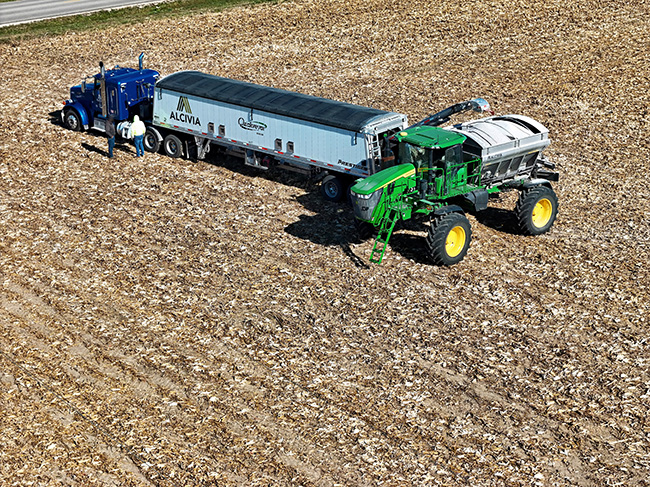
Photo/Licensed image


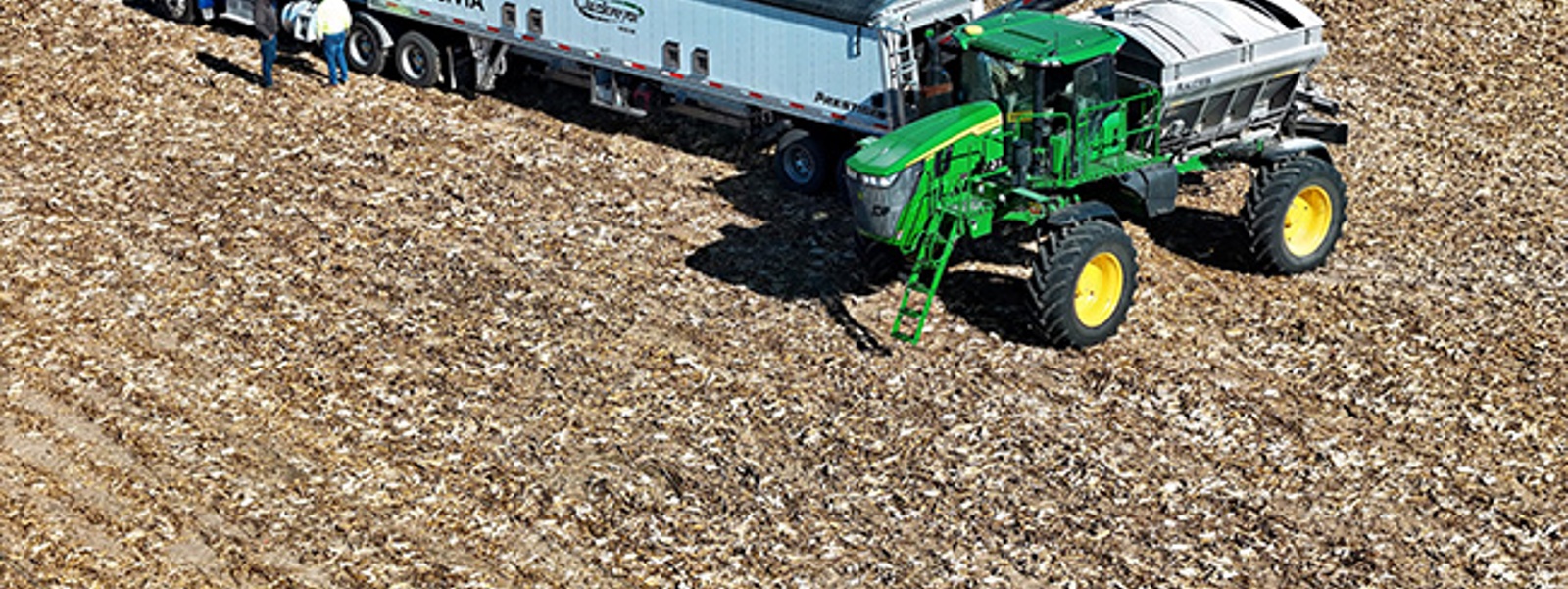
An overwhelming majority of U.S. farmers who responded to a nationwide survey say they cannot afford to purchase enough fertilizer to get them through the year. The percentage who prepurchased fertilizer varies significantly by region.
Conducted by the American Farm Bureau Federation April 3-11, the survey shows 70% of respondents say fertilizer is so expensive that they will not be able to buy all of what they need.
The survey was conducted as the conflict in the Middle East sent fertilizer and fuel prices soaring. The closure of the Strait of Hormuz is keeping critical fertilizer supplies and crude oil from reaching global markets, putting a squeeze on supplies around the world.
“Spring planting decisions depend heavily on access to fertilizer and diesel fuel, both of which have been impacted by geopolitical risks that have disrupted global markets,” AFBF economist Faith Parum said in her analysis of the survey results.
More than 5,700 farmers—both Farm Bureau members and nonmembers—from every state and Puerto Rico took the survey.
AFBF analysis reveals that almost 80% of farmers in the South say they can’t afford all needed supplies this year, followed by 69% in the Northeast, 66% in the West and 48% in the Midwest.
Just 19% of farmers in the South prebooked fertilizer purchases in advance of the planting season. In the Northeast, only 30% of farmers prebooked, followed by 31% in the West and 67% in the Midwest.
Prebooking behavior varies significantly across commodities. Nearly half of soybean producers reported prebooking fertilizer, followed by those who grow barley at 47%, corn at 44% and wheat at 42%. Lower prebooking rates among growers of cotton, at 13%, and peanuts, at 9%—both crops grown in the South—suggest greater farm exposure to in-season price volatility, Parum’s report said.
Affordability concerns are even more pronounced when viewed by commodity, the analysis shows. More than 80% of rice, cotton and peanut producers reported they cannot afford all required fertilizer, highlighting the vulnerability of these production systems to input cost shocks. Farmers of more than half of all commodities reported not being able to afford all fertilizer needs this year.
Even with higher prebooking rates, about one in three Midwestern farmers still reported entering the season without securing all their fertilizer needs.
Since tensions escalated in the Middle East, nitrogen fertilizer prices have risen more than 30%, while combined fuel and fertilizer costs have increased roughly 20% to 40%, Parum reported. Meanwhile, urea prices have soared by 47% since the end of February, marking the largest month-to-month percentage spike in the price of urea.
“These increases are occurring when many producers were already facing tight margins for many consecutive years,” she said.
Many of the farmers surveyed said they will forgo applying fertilizer this spring in hopes that prices will return to an affordable level later in the growing season.
When producers cannot afford full fertilizer application rates, they may reduce nutrient use or shift acreage decisions, both of which increase the risk of lower yields and reduced production potential in the 2026 crop year, Parum pointed out.
AFBF noted poor financial conditions going into the 2026 growing season impacted planting and purchasing decisions. As a result, rapidly changing fertilizer and fuel market price volatility affected farmers across the country in different ways, which the survey confirmed.
The survey results indicate 94% of respondents reported their financial situation has worsened or remained the same since last year, while 6% reported improvement.
“The skyrocketing cost of fuel and fertilizer is creating more economic hardships for farmers who have already endured years of losses,” AFBF President Zippy Duvall said. “Without the necessary fertilizers, we’ll face lower yields, and some farmers will reduce acres altogether, which will impact food and feed supplies.
“It’s too early to know how this will affect food availability and prices in the long run, but it’s a warning light that we’ve shared with leaders in Washington,” Duvall added. “We look forward to working with them to find solutions so farmers can continue to feed families across America.”

In this edition...
• Big cats complicate ranchers' livelihoods
• California weighs 'truth in labeling' wine industry law
• Water guides discussion at global agriculture forum
• Dry conditions push farms to new irrigation strategies
• Study measures regulatory costs for Napa vineyards
• Researchers study ways to control flatheaded borer
• New CDFW director addresses priorities, predators
• National survey shows most farmers can't afford fertilizer
• What options are available to manage citrus thrips?
• Efficient irrigation through smart and informed irrigation purchases
• Going farm fresh: School districts look to growers as they ditch ultraprocessed foods
• Bountiful Finds: A curated collection of goods made by Farm Bureau members
• Super Snacks: Big California Flavor
• Peaches signal arrival of prime fruit season
• The Scenic Route: Pit stops at California farms and ranches
• From auction ring to dinner table: Coalition ensures no junior livestock exhibitor goes without a sale
• Why calling 811 before you dig is essential for California farmers
• Study: Maximize winter cereal yields with less water





.svg.png)
