


What options are available to manage citrus thrips?
Photo/Licensed image


By Chris Boisseranc
Southwest Ag Consulting Inc., Redlands
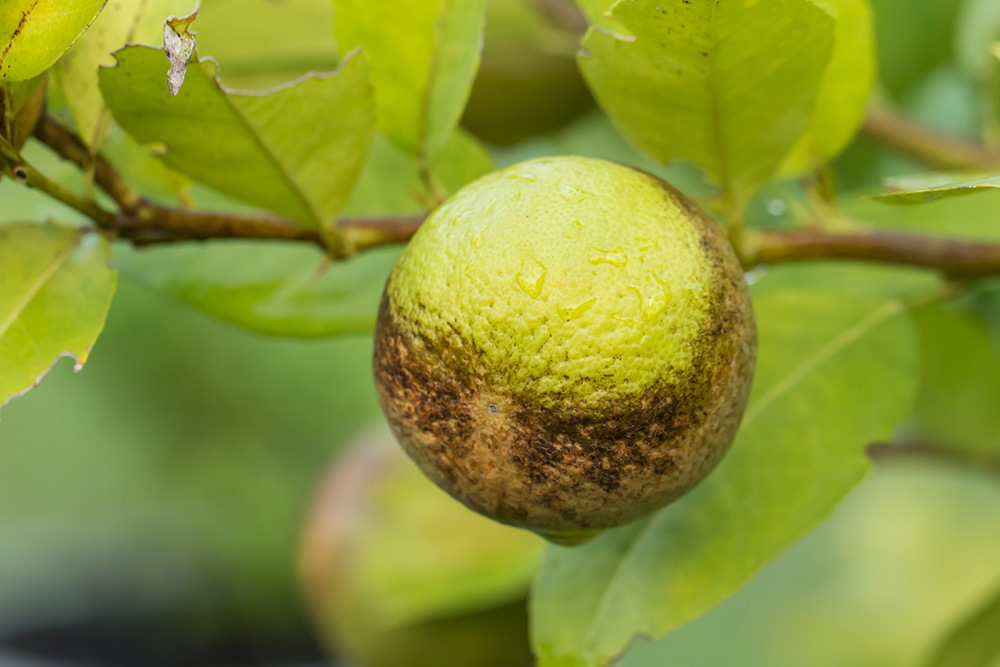
Thrips populations typically decline during rainy winter conditions, but this year warmer weather between rain cycles has allowed populations to remain higher than normal. As a result, the season has started earlier—about a month ahead of typical timing—and desert regions are already seeing heavy thrips pressure. Experts expect a more aggressive season, meaning groves will require close monitoring.
Extra spray applications will likely be necessary in some regions, particularly in lemons, where multiple bloom cycles require repeated protection.
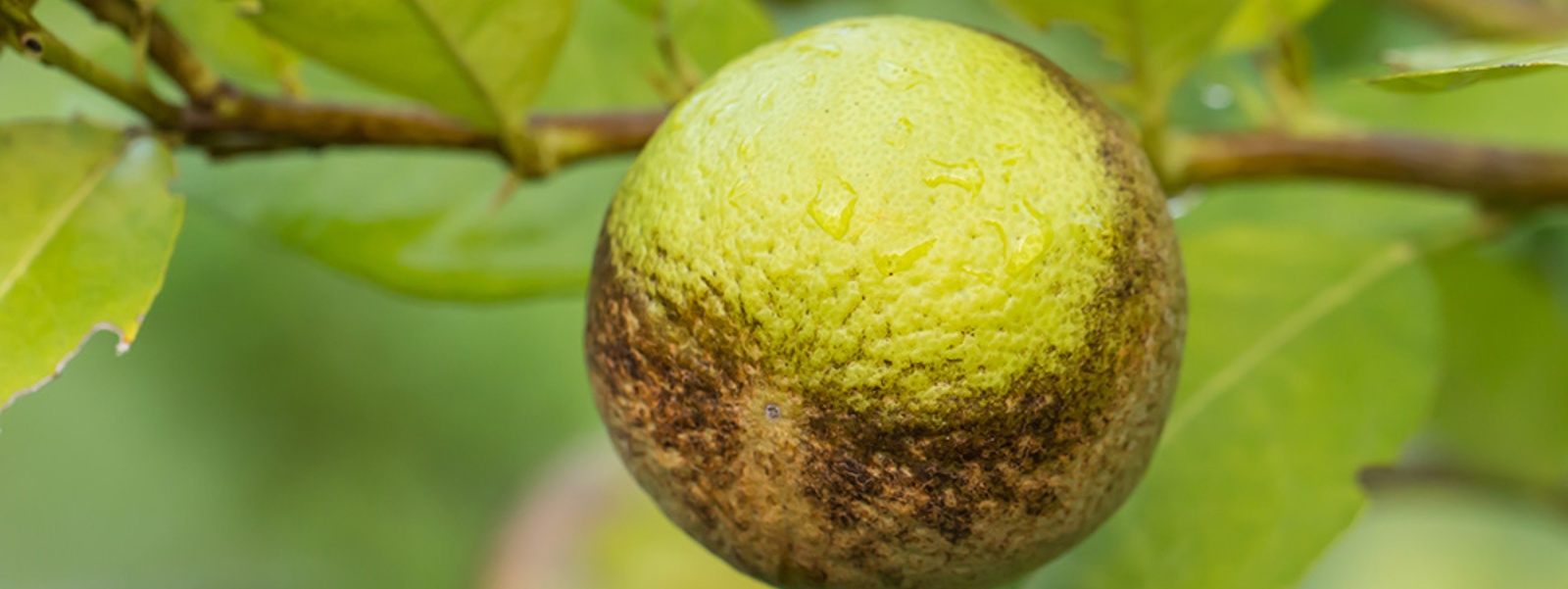
While thrips damage is cosmetic, it carries a significant economic impact. Fruit showing thrips damage is downgraded, and typically it cannot be shipped to export markets. Instead, it is sold domestically or diverted to juice production, which pays only pennies on the dollar compared to fancy-grade fruit.
Lemons often experience more damage because thorns can scar the fruit during windy conditions, compounding the cosmetic injury. Lemons also produce multiple blooms throughout the spring, which means growers must make multiple applications to protect developing fruit from thrips.
Several new products and combinations of older materials are available for thrips control. Some of these products combine active ingredients, providing faster knockdown and longer residual activity. Most applications last about a month, and growers typically have four to six effective materials available to rotate and help prevent resistance from building.
Organic growers have far fewer options, relying primarily on Entrust, a spinosad-based product. Labels limit applications to three per season. Despite these limitations, thrips pressure in organic groves is sometimes lighter because beneficial insects and mites play a larger role in pest control.
In conventional operations, thrips populations tend to move too quickly for beneficial insects to keep up, especially when broad-spectrum materials reduce biological activity. Organic groves, however, often see stronger biological control because fewer disruptive sprays are used.
In this edition...
• Big cats complicate ranchers' livelihoods
• California weighs 'truth in labeling' wine industry law
• Water guides discussion at global agriculture forum
• Dry conditions push farms to new irrigation strategies
• Study measures regulatory costs for Napa vineyards
• Researchers study ways to control flatheaded borer
• New CDFW director addresses priorities, predators
• National survey shows most farmers can't afford fertilizer
• What options are available to manage citrus thrips?
• Efficient irrigation through smart and informed irrigation purchases
• Going farm fresh: School districts look to growers as they ditch ultraprocessed foods
• Bountiful Finds: A curated collection of goods made by Farm Bureau members
• Super Snacks: Big California Flavor
• Peaches signal arrival of prime fruit season
• The Scenic Route: Pit stops at California farms and ranches
• From auction ring to dinner table: Coalition ensures no junior livestock exhibitor goes without a sale
• Why calling 811 before you dig is essential for California farmers
• Study: Maximize winter cereal yields with less water





.svg.png)
