


Going farm fresh: School districts look to growers as they ditch ultraprocessed foods
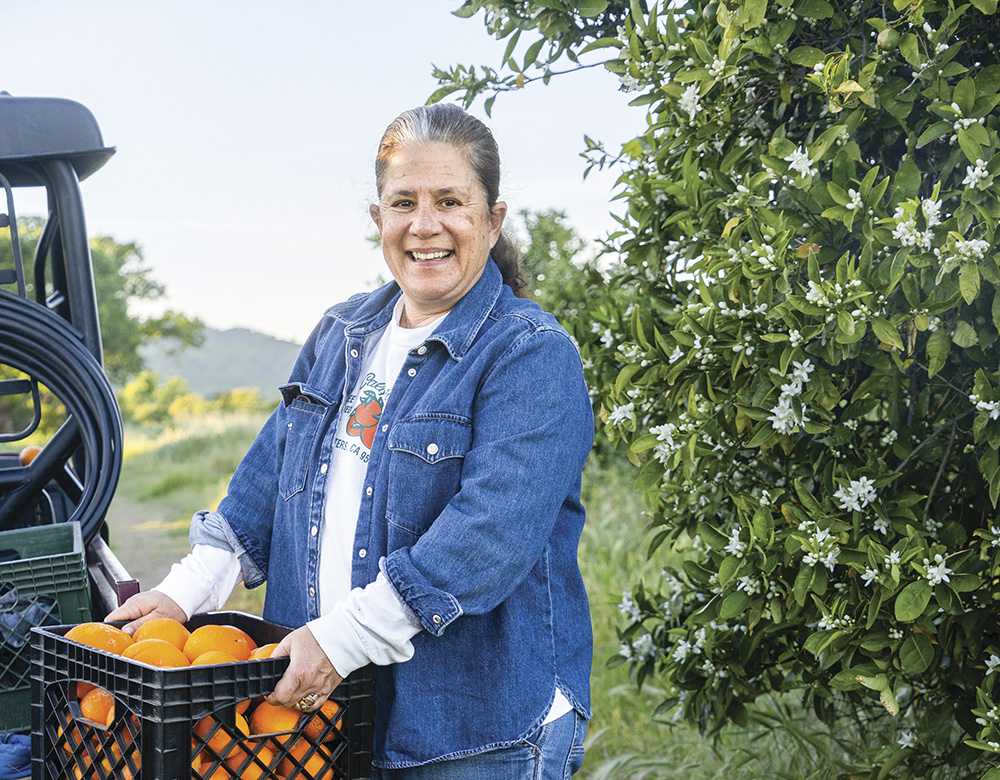
Yolo County grower Karina Sparks supplies several Northern California school districts navel oranges grown on her farm in Winters.
Photo/Lori Eanes


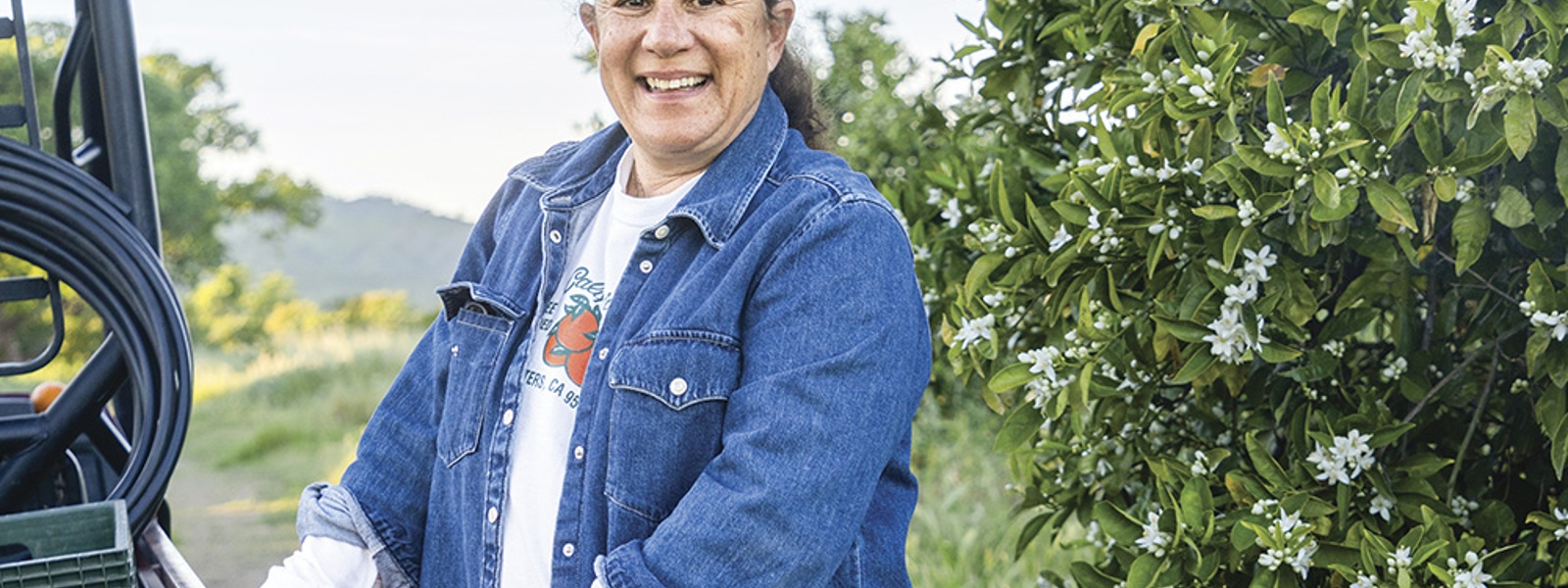
It all started with Karina Sparks’s father. More than 20 years ago, he began working with the Winters Joint Unified School District to provide students with the oranges he’d long been growing on their Yolo County family farm.
“It was like a pioneer thing, because nobody was doing it,” Sparks said.
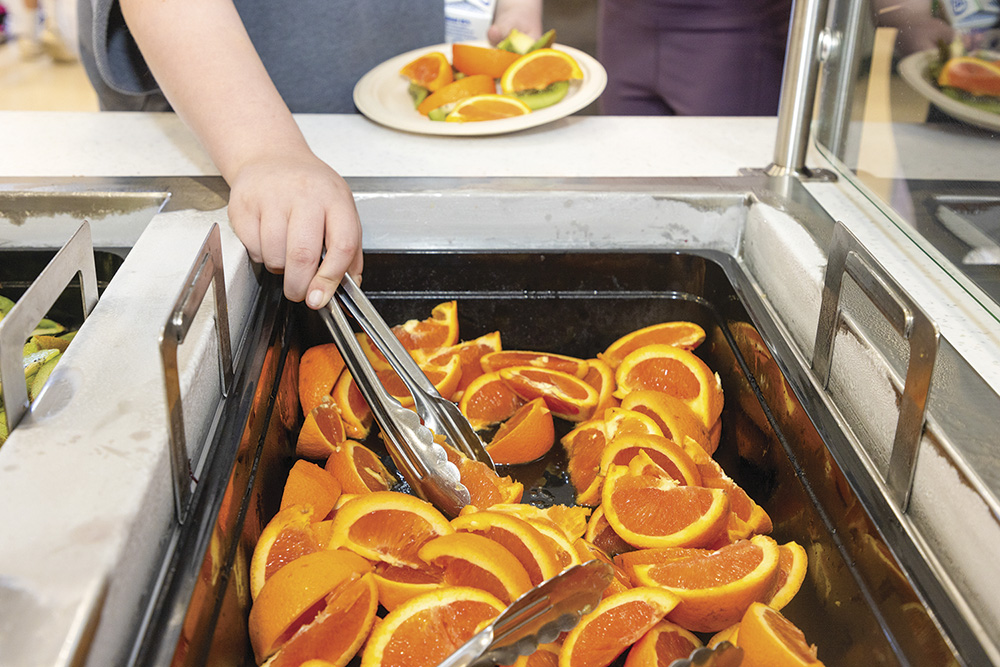
She took up the mantle after her father died 14 years ago. A lot has changed: In addition to Winters Joint Unified, she also provides oranges to the Davis Joint Unified and Fairfield-Suisun Unified school districts, shipping around 50,000 pounds of her citrus from January to March.
Now a bigger change—one that extends beyond her own farm—has begun to bear fruit as well.
“Many of my peers here are selling their food to school districts, where 10 years ago that wasn’t happening,” Sparks said.
During the past few years, efforts such as California’s Universal Meals Program have offered funding to improve access and quality of food served to students. And last year, state legislators passed a law requiring schools to phase out certain ultraprocessed foods from school meals. That includes foods with high levels of sugar, sodium and saturated fats, as well as additives such as thickeners and non-nutritive sweeteners.
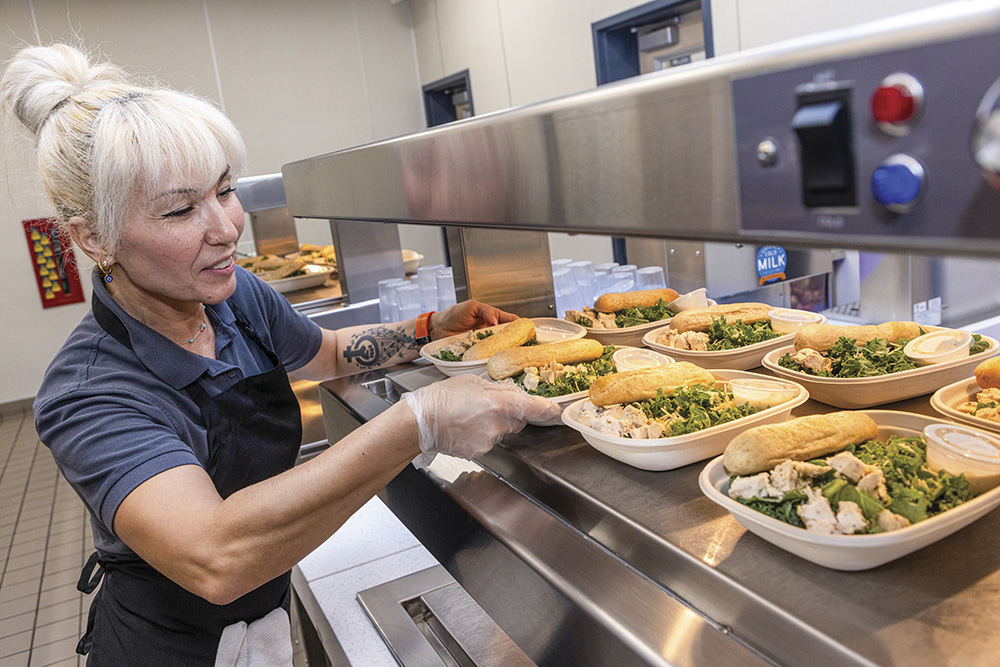
Some school districts started the transition before the law was passed. Among them is Western Placer Unified, where the district’s food service director, Christina Lawson, said they started making changes with the help of the nonprofit Eat Real in 2023. She said working with local farmers has been a big part of the transition, especially in helping change the “mystery meat” narrative sometimes associated with school cafeteria food.
“This isn’t some random thing that came out of a box that somehow is ending up on your kid’s tray,” Lawson said. “We really want our community to know how much effort and work that we’re putting into sourcing the food for our students.”
Mattea Kelly, director of marketing for Eat Real, said a transition away from processed foods can often encourage partnerships with local farmers.
“Sometimes the best pathway isn’t just going through and trying to remove the ingredients, but it’s just bringing in whole foods, right?” Kelly said. “Helping these districts to source from more local farmers can sometimes be one of the lightest pathways to be able to do that, because you don’t have to remove an ingredient if it never had it.”
Some school districts begin those partnerships by working with food hubs that distribute regional produce from farmers in their network.
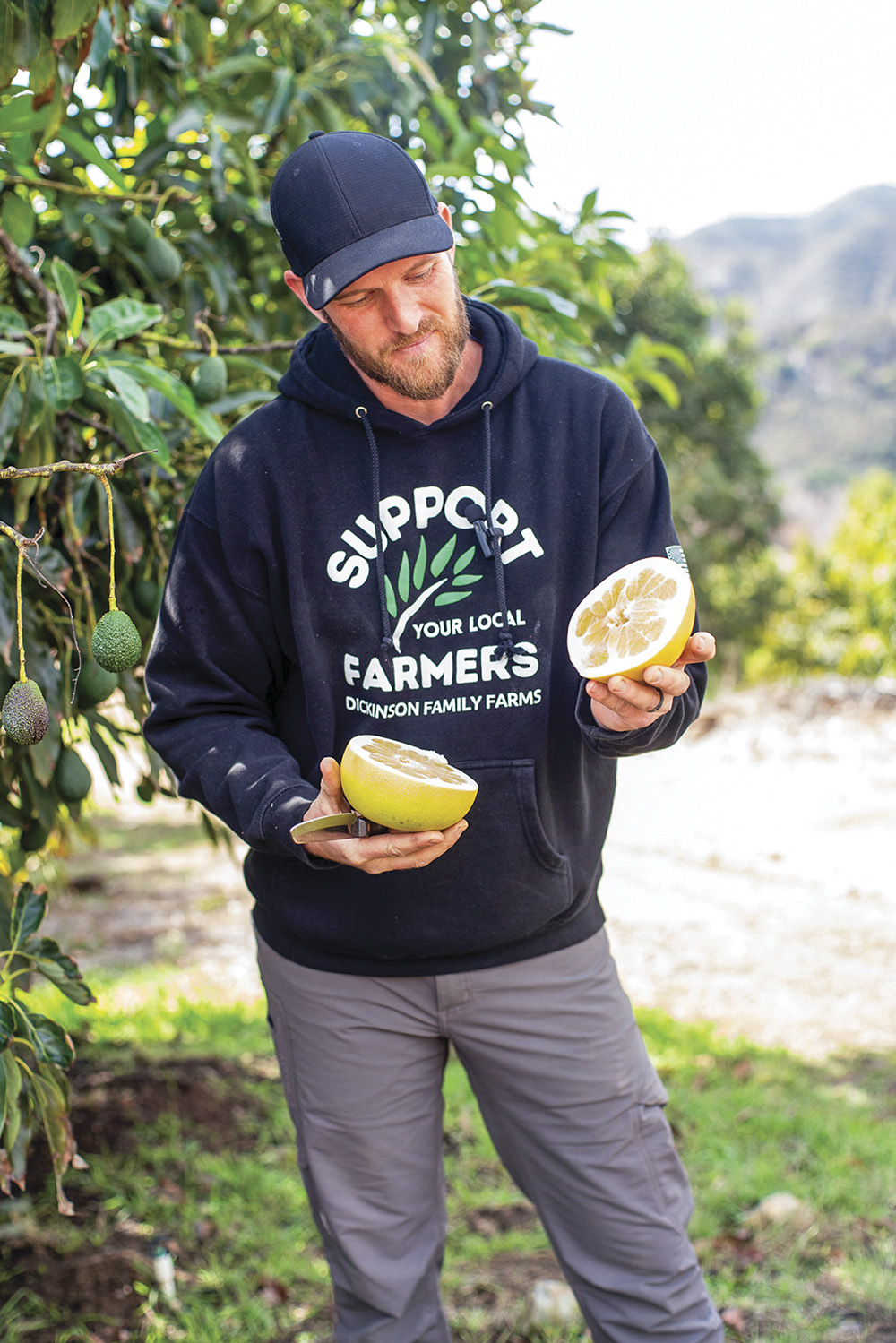
San Diego County grower Andrew Dickinson runs Dickinson Family Farms, which also operates as a hub that packs and ships produce to customers. At his own farm, he grows mostly tree crops such as avocados and passion fruit.
He said he started working with school districts in 2023. Now, about half the produce distributed by his hub goes to schools.
As he’s provided more fresh produce to schools, he’s seen the impact. Dickinson said one school district serving frozen blueberries to students began offering fresh blueberries after partnering with the hub. Since then, he said the district’s blueberry order has increased as students demand more of the fruit.
“That’s when I really feel like we’ve won a great victory in terms of having the kids anticipate it before it even gets there,” he said.
In another district, Dickinson said he got a request to send carrots with the tops still attached so that students could better understand where the food was coming from.
“It might look a little different than what you see on the grocery store shelf, but that doesn’t mean that it’s bad food,” Dickinson said. “A carrot with the top on it looks different, but it tastes incredible because it came right out of the ground.”
Photo/Lori Eanes
There’s also a benefit for the farmers supplying school districts. Dickson said schools have a dedicated population that needs food daily, making them reliable customers that add some consistency to his schedule.
Eric Walker, co-owner of Farmboy Organics in Solano and Yolo counties, said this consistency encouraged his farm’s budding relationship with the Vacaville Unified School District. He said they’re still nailing down the details, but his farm will likely begin supplying the district with produce starting this fall.
While about 75% of Farmboy Organics’ sales come from farmers markets, Walker said he’s working to scale up his farm to grow more produce. But that requires reliable customers to take what’s grown. He said a school district, especially one prioritizing local food, is a good candidate because they’ll buy large quantities.
“It allows us to expand the farm and build it sustainably without having to run 10 different directions to find outlets taking small amounts,” Walker said.
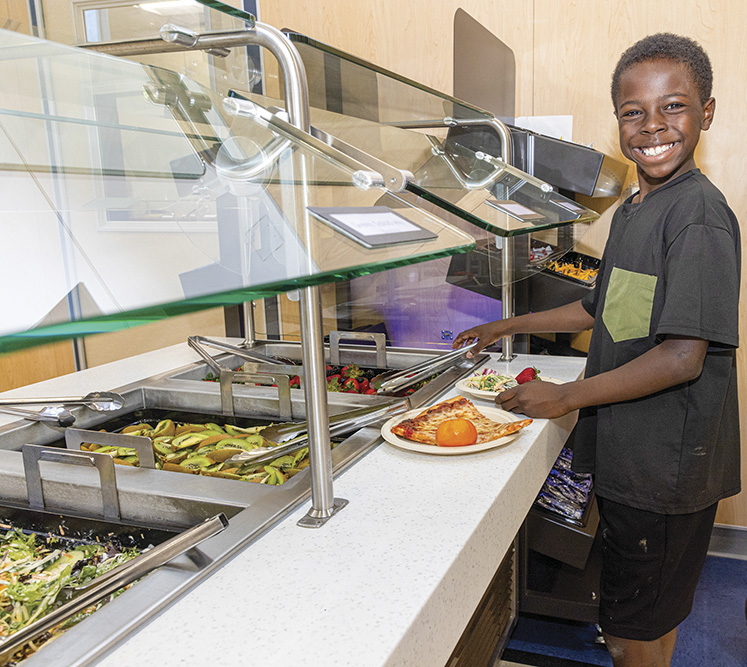
However, school district staff said transforming student meals can be tricky. Michael Jochner, student nutrition director at Morgan Hill Unified, said they often must balance improving food quality with staying on budget.
That means making strategic choices. For example, he said rather than selling a less expensive but more processed burger throughout the month, he might decide to offer a more healthful burger loaded with local ingredients less frequently.
Photo/Lori Eanes
“Then we pair that burger, or we pair that more expensive item, with a vegetarian dish or something that doesn’t necessarily cost as much as the burger patty,” he said.
When working with farmers, Jochner said fresh produce is not the only benefit. He said he tries to bring farmers to the district’s elementary schools monthly to talk to students about the produce they’re supplying that month.
Dickinson said he makes similar efforts with districts he works with—planning classroom visits and disseminating flyers that help students better understand their food and where it comes from. On a flyer about kumquats, for example, he describes the fruit as “sour candy” and tells students how to eat it.
“We feel like this farm-to-school project with the schools is a great way to train students to be aware and to support a local agricultural community by knowing their seasons,” Dickinson said.
Photo/Lori Eanes
Sparks said it’s the relationship with students that’s fueled her passion for working with schools. After years of delivering oranges to schools, she said students in Winters sometimes recognize her as “the orange lady.”
“They’re all happy to see me,” she said. “They know it’s coming fresh from my orchard to their plate, and they love it.”
Manola Secaira is a staff writer for Ag Alert. She can be reached at msecaira@cfbf.com.

In this edition...
• Big cats complicate ranchers' livelihoods
• California weighs 'truth in labeling' wine industry law
• Water guides discussion at global agriculture forum
• Dry conditions push farms to new irrigation strategies
• Study measures regulatory costs for Napa vineyards
• Researchers study ways to control flatheaded borer
• New CDFW director addresses priorities, predators
• National survey shows most farmers can't afford fertilizer
• What options are available to manage citrus thrips?
• Efficient irrigation through smart and informed irrigation purchases
• Going farm fresh: School districts look to growers as they ditch ultraprocessed foods
• Bountiful Finds: A curated collection of goods made by Farm Bureau members
• Super Snacks: Big California Flavor
• Peaches signal arrival of prime fruit season
• The Scenic Route: Pit stops at California farms and ranches
• From auction ring to dinner table: Coalition ensures no junior livestock exhibitor goes without a sale
• Why calling 811 before you dig is essential for California farmers
• Study: Maximize winter cereal yields with less water





.svg.png)
