


California weighs 'truth in labeling' wine industry law
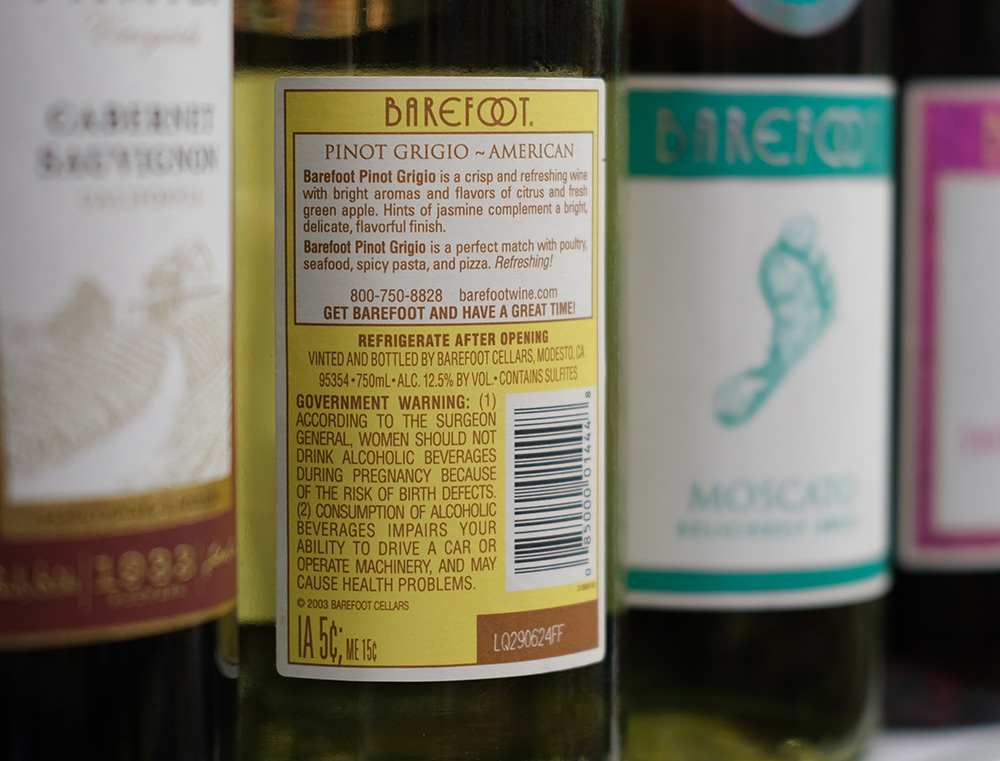
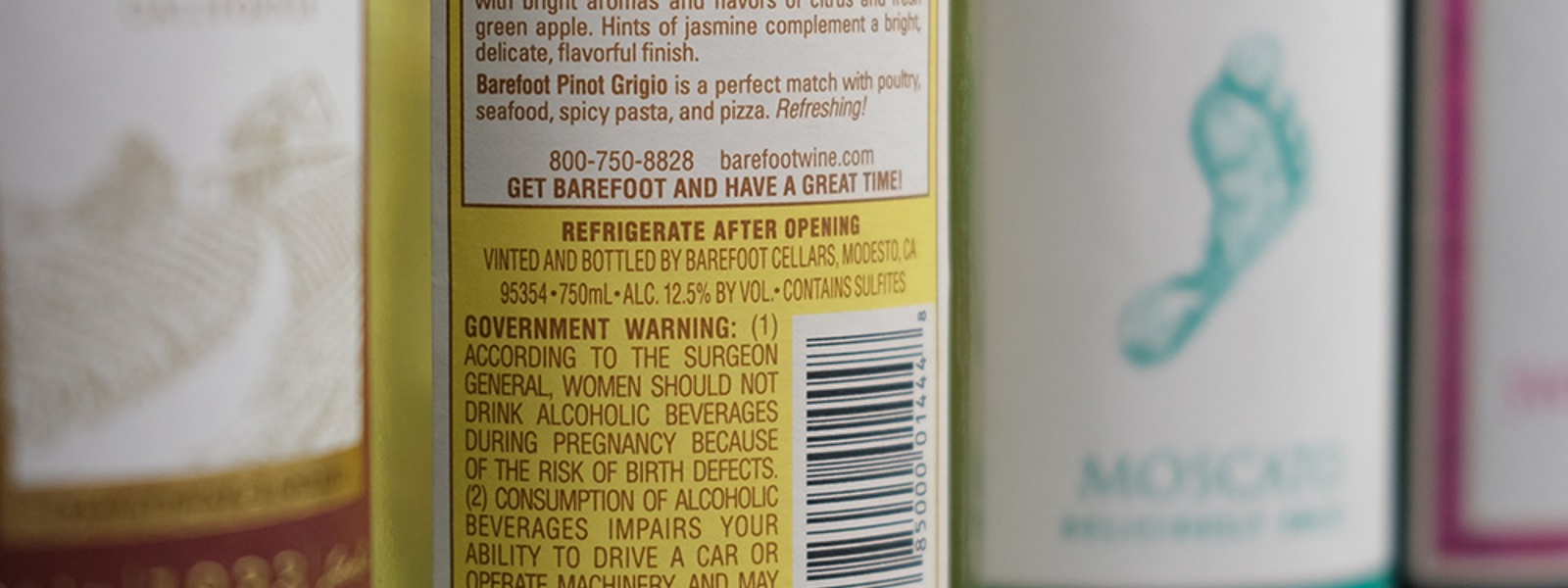
Assembly Bill 1585 would require that wines labeled “American” be made entirely from U.S.-grown grapes. Under federal law, that threshold is set at 75%, allowing wineries to blend in foreign wine.
Photo/Caleb Hampton


By Caleb Hampton
California lawmakers are set to consider new legislation that would close a loophole that for decades has allowed winemakers to label wines as “American” even when they are made partly from imported bulk wine.
Under current federal law, wines can be labeled American when at least 75% of the liquid came from U.S.-grown grapes or agricultural products. Assembly Bill 1585 would change that threshold to 100% for wines sold in California.
The bill’s authors and sponsors said their intent is to promote trust among consumers by improving the accuracy and transparency of wine labels.
“We want to make sure that there is truth in advertising when it comes to wine coming from the U.S.,” said Assemblymember Rhodesia Ransom, D-Tracy, who co-authored the bill. “This is another way of us ensuring that consumers know what they’re purchasing.”
AB 1585 would not restrict wine imports, but some supporters said they hope it will help stem—or at least create awareness around—a steady flow of imported bulk wine that California winegrape growers feel has worsened their plight in recent years.
During the past few years, a global downturn in wine consumption left California with a persistent oversupply of grapes, causing many growers to sell their fruit at a loss or watch it rot on the vine. Last year, about a quarter of the state’s crop—by far the most ever—went unpicked, according to initial industry estimates.
“It’s probably about at its worst point,” San Joaquin County grower and winemaker Rodney Schatz said of the wine and grape markets.
Meanwhile, California’s largest wine companies have imported tens of millions of gallons of bulk wine each year for the past two decades. Last year, bulk wine imports increased 24% even as California grapes went unharvested for lack of a buyer.
“Imported bulk wine is killing us,” Schatz said.
During the past two or three years, the Acampo-based grower tore out about a third of his vineyard acreage because he was unable to sell the grapes or absorb the excess fruit into his bulk wine business.
Schatz sells bulk wine to wineries across California that mix it with other wine, bottle it and put their label on it. But big wineries can cut costs by sourcing some of that bulk wine from Australia, New Zealand or Chile instead of from Lodi or Fresno.
“They’re just taking my place,” Schatz said.
Then, he added, the wine companies turn around and label the bottle American. Paradoxically, because wines made entirely from California grapes typically say “California” on the label, the American appellation is often used when the wine is not entirely American.
“It’s very deceiving to the customer,” Schatz said.
Natalie Collins, president of the California Association of Winegrape Growers, which co-sponsored the bill, emphasized that it will not turn the historically bad winegrape market around overnight.
“This alone is not going to fix everything,” Collins said. “It is really a first step to rebuilding consumer trust and moving forward.”
The bill’s other co-sponsor is Family Winemakers of California, which represents about 200 small and mid-sized family-owned wineries.
Not everyone in the industry supports the bill. AB 1585 is opposed by the Wine Institute, which represents about 1,000 wineries and is the primary advocacy group for the handful of California wine companies and conglomerates that import bulk wine.
Tim Schmelzer, vice president of California state relations at the Wine Institute, said the proposed law could have unintended consequences, including making some wine labels less useful to consumers.
That’s because federal law states that wines must have an appellation, or place of origin, in order for a varietal to be included on the label. Schmelzer said the primary function of the American appellation for wineries has been to check that box, allowing them to advertise the varietals of wines made from a mix of U.S. and foreign grapes.
If California were to adopt AB 1585, wineries making cabernet sauvignon from Californian and Australian grapes of that varietal, for example, couldn’t call it that on the label. They would need to use a more generic term such as a “red blend.”
“They would lose the ability to communicate and connect with customers,” Schmelzer said.
Collins, the winegrape association president, said that if wine companies mixing in imported wine want to include varietal information on their labels, “there’s an easy fix”: Source the grapes from California.
“Right now, there is such as excess of fruit supply here in the U.S. that any varietal someone would like to make—that is currently blending in foreign wine—exists in excess here domestically,” Collins said.
While bulk wine imports have fluctuated during the past two decades, volumes have tended to increase when California grape prices go up and decrease when grape prices go down, according to data from the California Department of Food and Agriculture and the Gomberg Fredrikson Report.
Stuart Spencer, owner of St. Amant Winery and executive director of the Lodi Winegrape Commission, said that’s a clear indication that major wine companies look to imports as a cost-cutting measure.
“That wine is directly competing with California-grown grapes, particularly in the Central Valley, and a portion is ending up in wines labeled American,” Spencer said. “That is what rubs a lot of grape growers the wrong way.”
(See related commentary at agalert.com/truth-in-labeling.)
Caleb Hampton is an editor at Ag Alert. He can be reached at champton@cfbf.com.


In this issue...
• Big cats complicate ranchers' livelihoods
• California weighs 'truth in labeling' wine industry law
• Water guides discussion at global agriculture forum
• Dry conditions push farms to new irrigation strategies
• Study measures regulatory costs for Napa vineyards
• Researchers study ways to control flatheaded borer
• New CDFW director addresses priorities, predators
• National survey shows most farmers can't afford fertilizer
• What options are available to manage citrus thrips?
• Efficient irrigation through smart and informed irrigation purchases
• Going farm fresh: School districts look to growers as they ditch ultraprocessed foods
• Bountiful Finds: A curated collection of goods made by Farm Bureau members
• Super Snacks: Big California Flavor
• Peaches signal arrival of prime fruit season
• The Scenic Route: Pit stops at California farms and ranches
• From auction ring to dinner table: Coalition ensures no junior livestock exhibitor goes without a sale
• Why calling 811 before you dig is essential for California farmers
• Study: Maximize winter cereal yields with less water





.svg.png)
