


How can growers monitor and control citrus scale pests?
Photo/Licensed image


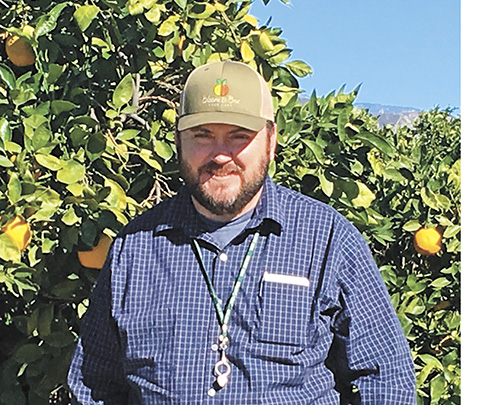
By Chris Boisseranc
Southwest Ag Consulting Inc., Redlands
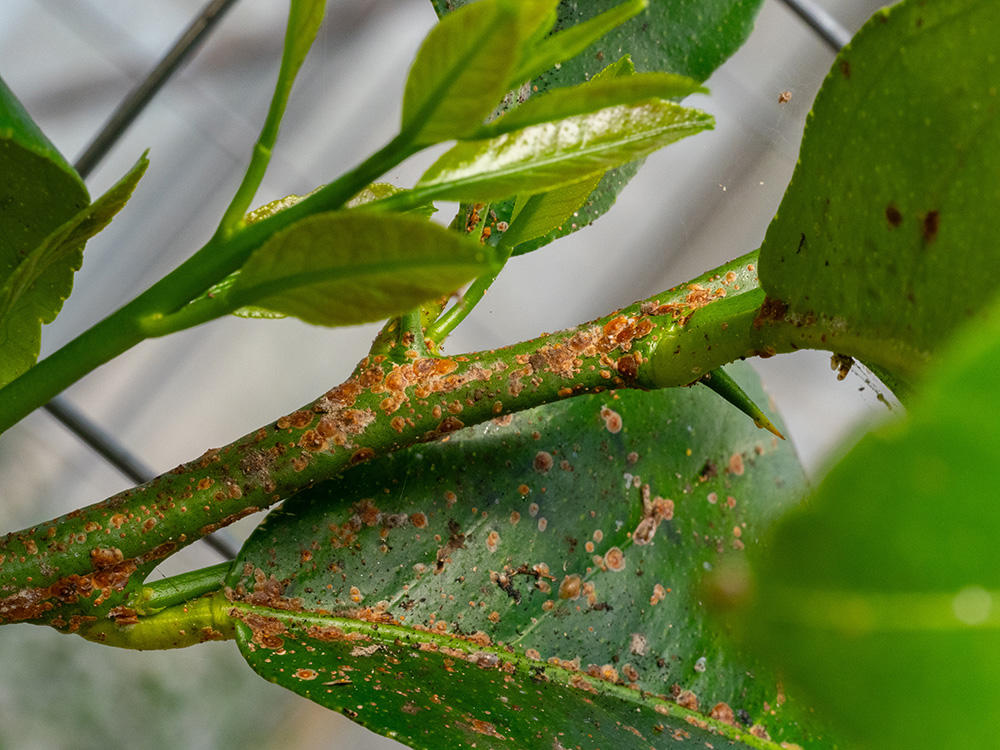
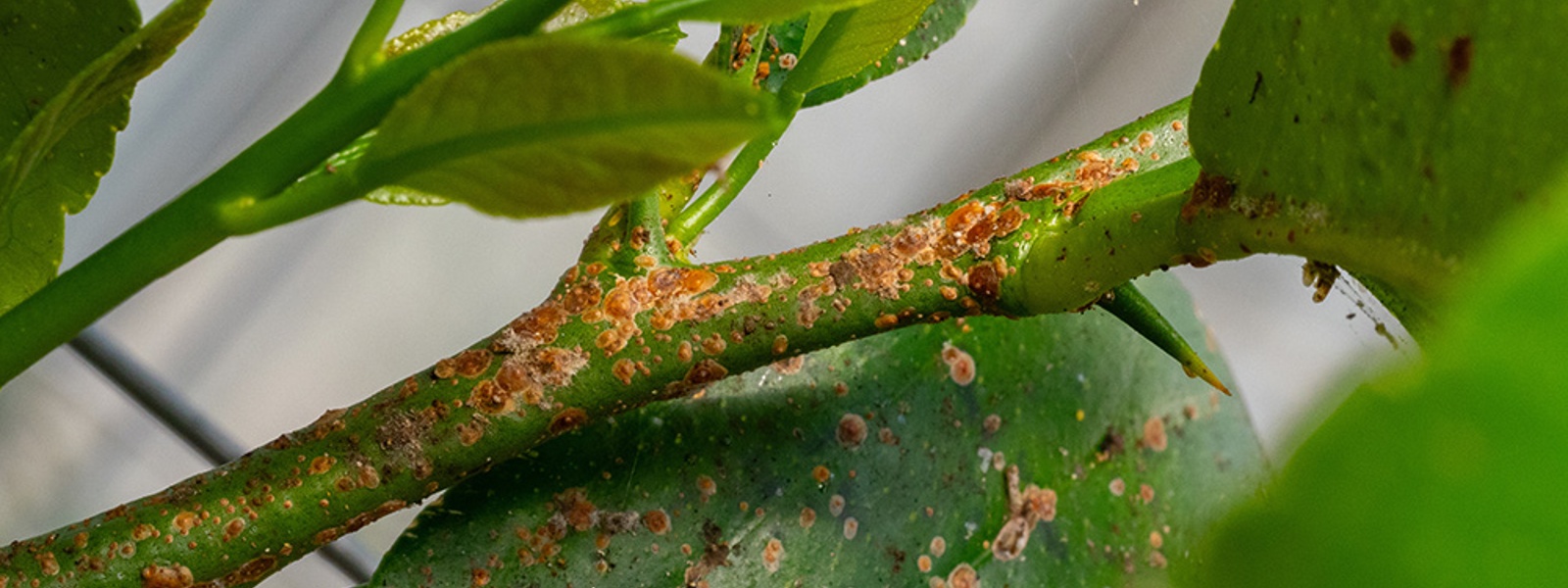
Four different homopteran insects—piercing, sucking bugs—damage citrus: red scale, black scale, citricola scale and citrus mealybug. Black scale is primarily a Southern California pest, and citricola scale, which is very similar, is more common in the Central Valley. These pests establish within citrus canopies throughout the growing season.
Red scale and citrus mealybug can cause blemishes around the calyx at the top of the fruit, but the larger issue is honeydew production and heavy infestations within the canopy. Large populations will weaken the trees, reduce fruit quality and production, cause branch dieback and can impact future yields.
Honeydew excreted by the pests leads to black fungal growth known as sooty mold. Heavy sooty mold buildup can blacken trees and reduce the sunlight reaching the leaves, causing defoliation. Trees then must refoliate before returning to full production, which can take multiple seasons at a cost to growers due to lost production.
Monitoring male flights using growing degree days and generation timing is recommended to properly time treatment applications. Several treatment options are available, including conventional foliar products that control all four pests simultaneously. Chemigation products applied through irrigation systems are also commonly used.
Using both chemigation and foliar applications is recommended. Chemigation helps prevent pests from spreading deeper into the canopy, while foliar sprays target heavier populations already established inside the tree.
Scale and mealybug outbreaks are often triggered by disruptions to the biological system, either from previous pesticide applications or neighboring properties using different treatments. Monitoring populations is important for tracking increases before infestations become severe and to time treatment applications.
Organic growers rely primarily on oil applications for control. In desert growing regions, these pests may produce as many as five generations per season because they thrive in heat, while coastal regions generally experience lower pest pressure.
In this edition…
• Labor expenses push farmers to automate
• Policymakers, ag leaders gather to discuss key issues
• Regulatory costs put Napa County wine future at risk
• CCA Today: Managing soil health using biostimulants
• Counties struggle with new abandoned orchard law
• On the Record: How farmers can help fight wildfires
• Virtual workshop on disaster relief funding is July 9
• Local farmers grow malting barley for brewing beer
• How can growers monitor and control citrus scale pests?
• Water uniformity tool helps farmers identify savings
• Fix poor infiltration with gypsum and water tests
• Dial 811 first to protect your land, workers and neighbors
• Advocacy in Action: Farm Bureau tackles New World screwworm, USDA support, fungicide strategy, Colorado River and employment technology





.svg.png)
