


CCA Today: Managing soil health using biostimulants

Jose Ramirez, a Western Region CCA board member and director of agronomy for Impello Biosciences, discusses how biostimulants can boost soil health and help crops use water and nutrients more efficiently.


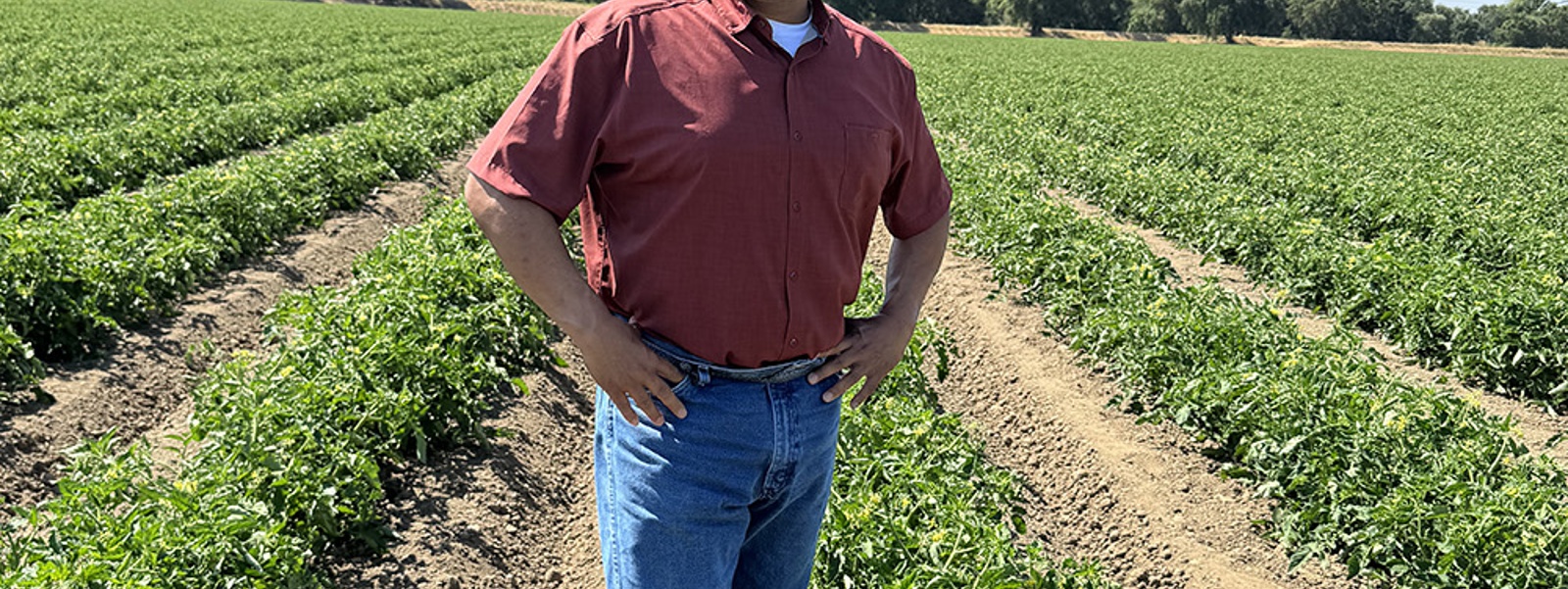
By Jose Ramirez
Biostimulants have become an increasingly important tool for improving soil health, which is a key factor in agricultural productivity. To understand the influence of biostimulants on soil, it is essential to first clarify the concept of soil health from the perspective of growers, who are the primary stakeholders in agriculture.
Defining soil health for growers
Growers, like those most affected by soil conditions, provide the most practical definition of soil health. Their needs and experiences are especially significant in the cultivation of food crops, though the same principles apply to fiber and forage crops. Effective soil health management is evaluated by the ability to sustain plant viability and sustainability over time. Unlike soil fertility, which focuses mainly on nourishing the current crop, soil health considers the entire soil biome and its ongoing dynamics.
Distinguishing soil health from soil quality
Understanding the difference between soil health and soil quality is important, even though the terms are sometimes used interchangeably. Recognizing their distinct meanings allows growers to make informed decisions regarding soil management and biostimulant use. Soil quality refers to the fixed and intrinsic properties of the landscape, shaped by current and past farming practices.
What is a biostimulant
A crop biostimulant is any substance, plant extract, synthetic hormone or microorganism applied to soils or plants that triggers specific stimuli. The result is the support or enhancement of plant processes, which improve water and nutrient efficiency, activates metabolic pathways and helps plants manage stress caused by abiotic or biotic factors.
Microbial biostimulants
Microbial biostimulants play a vital role in soil health management by introducing and supporting beneficial microorganisms. These biostimulants include bacteria, fungi and mycorrhizae, each contributing uniquely to plant growth and soil vitality.
Bacteria
Among the bacteria used as biostimulants, plant growth-promoting rhizobacteria, or PGPR, and plant growth-promoting bacteria, or PGPB, are most notable. PGPR interact directly with plant roots, forming symbiotic relationships that enhance nutrient uptake and promote plant health. In contrast, PGPB predominantly operate in the phyllosphere, which encompasses the total aboveground biomass of the plant. Both types of bacteria work to support plant growth but do so in different parts of the plant ecosystem.
Examples of microbial biostimulants
Rhizobium and Azospirillum species serve as prime examples of microbial biostimulants. These bacteria fix atmospheric nitrogen, converting it into forms that are bioavailable to plants. This process is crucial for plant nutrition, as it provides a natural source of nitrogen and reduces the need for synthetic fertilizers.
Fungi and mycorrhizae
In addition to bacteria, beneficial fungi and mycorrhizae also function as microbial biostimulants. These organisms help improve soil structure, enhance nutrient uptake and support plant resilience against environmental stresses.
Plant extracts
Plant extracts, also referred to as botanical extracts, are obtained from various parts of plants and are formulated to contain secondary plant metabolites, natural phytohormones, vitamins and signaling molecules. These components are designed to stimulate plant metabolic and enzymatic activities, thereby supporting plant growth and resilience. For example, moringa leaf extracts are notable for their high concentrations of cytokinins, a type of natural plant growth hormone that promotes cell division and development. Additionally, thyme extract acts as a multifunctional biostimulant by enhancing seed germination and strengthening the plant’s internal defense mechanisms, which helps plants better cope with abiotic stresses such as drought.
Certified Crop Advisers, or CCAs, are the leading experts on soil health. If you’re interested in learning more, visit wrcca.org and find a CCA near you.
Jose Ramirez is a board member of Western Region CCA and the director of agronomy for Impello Biosciences.

In this edition…
• Labor expenses push farmers to automate
• Policymakers, ag leaders gather to discuss key issues
• Regulatory costs put Napa County wine future at risk
• CCA Today: Managing soil health using biostimulants
• Counties struggle with new abandoned orchard law
• On the Record: How farmers can help fight wildfires
• Virtual workshop on disaster relief funding is July 9
• Local farmers grow malting barley for brewing beer
• How can growers monitor and control citrus scale pests?
• Water uniformity tool helps farmers identify savings
• Fix poor infiltration with gypsum and water tests
• Dial 811 first to protect your land, workers and neighbors
• Advocacy in Action: Farm Bureau tackles New World screwworm, USDA support, fungicide strategy, Colorado River and employment technology





.svg.png)
