


Dial 811 first to protect your land, workers and neighbors
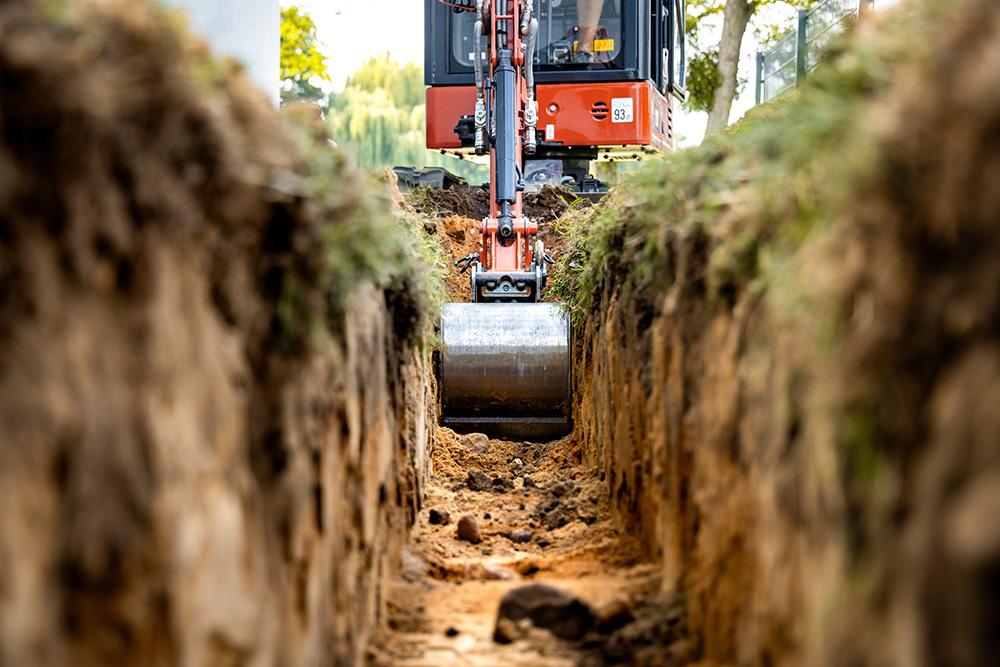
Farmers and ranchers are urged to contact 811 before breaking ground so underground utility lines can be located and marked to prevent damage and protect workers.



Summer is a busy time on California farms and ranches as crops move into peak growing season and field activity intensifies across the state. With drier conditions and longer days, farmers are focused on irrigation system maintenance, harvesting early-season crops, managing orchards and vineyards, and completing a variety of field improvement projects. Amid this increased activity, it’s important to remember a critical safety step: Always call 811 before you dig.
 Whether you manage a sprawling Central Valley row-crop operation or a coastal vineyard, contacting 811 is a legally required step in California. The free service is designed to protect your property, your workforce and the surrounding rural community from catastrophic accidents. While calling before a major construction project might seem obvious, the rules applying to routine farming operations are equally strict and often misunderstood.
Hidden hazards in agricultural soil
It is remarkably easy to look out over an open, rural field and assume the earth below is entirely clear. However, beneath California’s agricultural lands lie a vast, invisible network of essential infrastructure. These buried utilities include high-pressure natural gas transmission lines, fiber-optic communications cables, electrical conduits and municipal water mains.
While many routine farming activities may seem low risk, any digging regardless of depth has the potential to damage underground utilities. Activities that legally require a call to 811 include building fences, installing tile drainage, terracing hillsides, grading farm roads and excavating retention ponds. Furthermore, modern farming increasingly relies on deep tillage practices to break up hardpan. Subsoiling, deep ripping and orchard stump removal can easily penetrate deep enough to strike pipelines or cables. Even manually using a post-hole digger for a single fence post or planting a new shade tree requires a locate request.
High priority subsurface installations
Not all underground utilities carry the same level of risk, which is why California law categorizes certain lines as High Priority Subsurface Installations, or HPSIs. Under California Government Code 4216, an HPSI is defined as an underground line that can cause serious injury, environmental damage or major service outages if struck.
These high-priority lines include natural gas pipelines operating above 60 pounds per square inch, petroleum pipelines, pressurized sewage lines and underground electric lines carrying 60 kilovolts or more. They also encompass any pipelines carrying hazardous materials. If your agricultural operation involves digging within 10 feet of an HPSI, state law mandates extra precautions. You are required to schedule an on-site meeting with the utility operator to thoroughly review the exact location, the utility markings and your specific excavation plan before any soil is moved.
The ACE ticket for farmers
One of the most significant challenges farmers face with the standard 811 system is that normal locate tickets expire after just 28 days. To address this, California offers the Area of Continual Excavation, or ACE, ticket. Designed specifically for the unique needs of agricultural operators and flood control facilities, the ACE ticket allows for a continual excavation request that remains valid for an entire year.
This specialized ticket makes it vastly easier for farmers to remain compliant with state safety laws during ongoing, routine agricultural activities. ACE tickets are strictly available for locations where excavation is a part of the normal business activities of the farm. To secure one, you must contact 811, specify that you are requesting an ACE ticket for agricultural purposes and complete an ACE agreement form if working near high-priority installations.
Navigating the 811 process
In Central and Northern California, the regional notification center is USA North 811, while Southern California operators use DigAlert. Using the 811 service is completely free and involves a straightforward, legally mandated workflow to keep your farm operating safely.
Premark the project area: Before notifying 811, you must physically premark your proposed digging site. Using white paint, stakes or white flags helps professional utility locators quickly and accurately identify exactly where your project will take place.
Submit your request: To submit your request, simply call 811 or visit usanorth811.org. You can file your request online through the OneCallAccess system or download the 811 mobile app to submit tickets and track utility responses directly from your smartphone.
Wait two working days: Farmers will need to wait for all the notified utility operators to respond before digging. Typically, utility operators will respond within two working days, unless excavation will begin later than that required timeline.
Dig with extreme care: Once the utility lines are marked, you may begin your project, but you must respect the markings. You must use hand-digging techniques or vacuum excavation when working immediately adjacent to the marked lines to prevent accidental equipment strikes.
The true cost of skipping 811
Every year, unauthorized digging causes immense property damage and disrupts vital services to rural communities. The financial consequences of a utility strike can be devastating for an agricultural business of any size. If you damage an underground facility without a valid 811 ticket, you can be held strictly liable for the expensive
utility repairs, emergency response fees and heavy civil penalties.
Beyond the immediate financial liabilities, the physical and operational dangers are paramount. Striking an underground electrical line or a pressurized gas pipe can result in catastrophic injuries or fatalities for tractor operators and field workers. An accident can also spark devastating wildfires or cause hazardous material spills that ruin fertile topsoil. Taking a few minutes to make a free call or submit an online request is the simplest and most effective way to keep your farm operating safely. Every dig, no matter how routine, requires a call to 811.

In this edition…
• Labor expenses push farmers to automate
• Policymakers, ag leaders gather to discuss key issues
• Regulatory costs put Napa County wine future at risk
• CCA Today: Managing soil health using biostimulants
• Counties struggle with new abandoned orchard law
• On the Record: How farmers can help fight wildfires
• Virtual workshop on disaster relief funding is July 9
• Local farmers grow malting barley for brewing beer
• How can growers monitor and control citrus scale pests?
• Water uniformity tool helps farmers identify savings
• Fix poor infiltration with gypsum and water tests
• Dial 811 first to protect your land, workers and neighbors
• Advocacy in Action: Farm Bureau tackles New World screwworm, USDA support, fungicide strategy, Colorado River and employment technology





.svg.png)
