


Wage-and-hour questions from the field
Photo/Licensed image


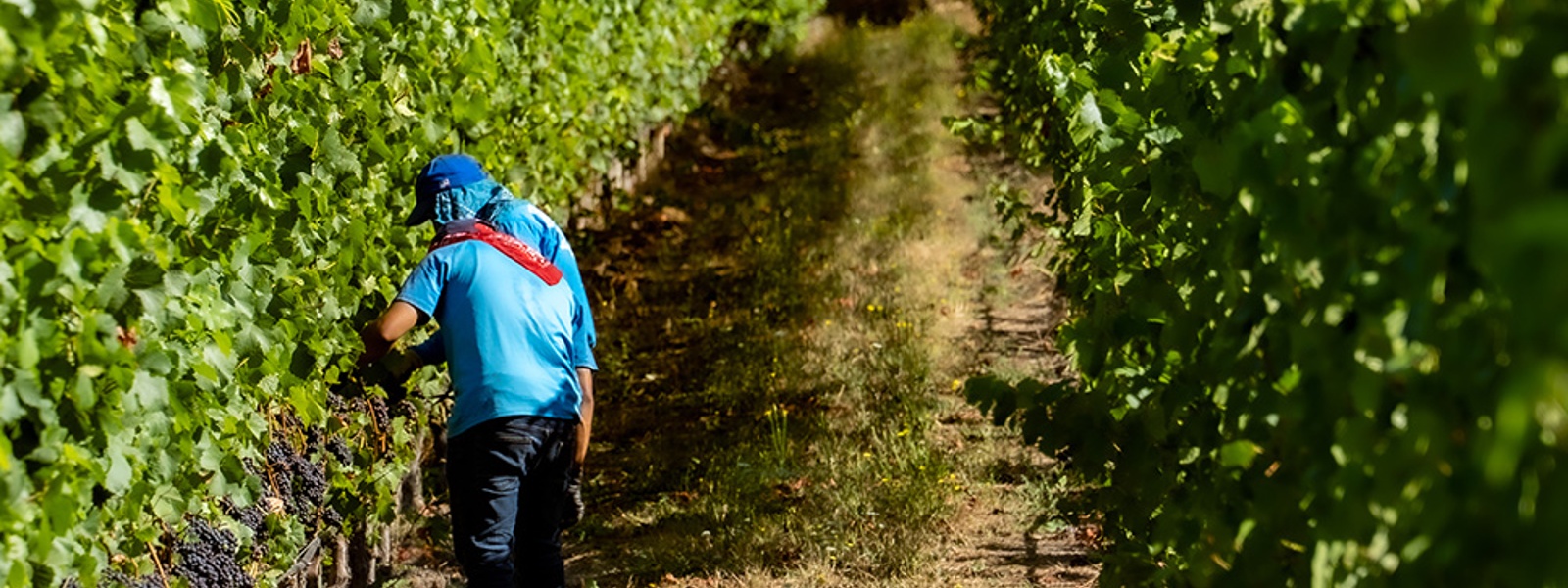
Split shifts, meal periods and timecards keep the FELS Hotline busy.
Some of the most common calls FELS has received recently involve everyday wage-and-hour situations: Does this schedule count as a split shift? Do I need to record the employee’s actual lunch period?
Can an employee waive lunch?
For agricultural employers covered by California Industrial Welfare Commission Wage Order 14, the answers often come down to the details of the employee’s workday.
Does this count as a split shift?
Wage Order 14 defines a split shift as a work schedule interrupted by an employer-established, unpaid, nonworking period other than a bona fide rest or meal period.
For example, an employee might work from 6 a.m. to noon, leave for several hours and return to work from 7 p.m. to midnight. Depending on the circumstances, that schedule may constitute a split shift. Wage Order 14 generally requires an additional hour of pay at the applicable minimum wage when an employee works a split shift, subject to the rules governing how the premium is calculated. Employers should also remember that the hours on both portions of the shift count toward applicable daily and weekly overtime requirements.
What should the timecard show for lunch?
Accuracy matters.
Wage Order 14 requires employers to maintain records showing when employees begin and end each work period. Meal periods and split-shift intervals must also be recorded, except that a meal period does not have to be recorded when operations cease during the meal period.
That means employers should be cautious about automatically preprinting or prepopulating a 30-minute lunch period that may not reflect when an employee actually took lunch. If one crew takes lunch at 11 a.m. and another at 11:30 a.m., the employer’s records should accurately reflect the required information rather than assume everyone followed the same schedule.
Can an employee waive a meal period?
Sometimes—but not simply because the employee would rather work through lunch.
Under Wage Order 14, an employer generally may not employ an employee for more than five hours without providing a meal period of at least 30 minutes. However, when the employee’s work period will be no more than six hours and that completes the day’s work, the meal period may be waived by mutual consent of the employer and employee.
The point is that the employer need not compel the employee to take the meal break but must relieve the employee of duties at or before the required time for the required period of time.
A second meal period is generally required when an employee works more than 10 hours. If the employee works no more than 12 hours, the second meal period may be waived by mutual consent—but only when the first meal period was not waived.
These seemingly simple questions can become complicated quickly, especially during harvest or other busy periods when schedules change throughout the day.
That is why FELS members have access to the FELS Employer Hotline at 1-800-753-9073. When a wage-and-hour, safety, human resources or other employment question comes up, members can call FELS and talk with someone who understands California agriculture and can help work through the situation in real time.
Have a question? Call the FELS Hotline at 1-800-753-9073. Your question may even inspire a future FELS Hotline column.
Reprint with credit to California Farm Bureau. For image use, email agalert@cfbf.com.
In this edition…
• View full issue
• Vineyard workers feel wine industry pain
• El Niño increases chances of winter storms and floods
• Everyone wins when farms invest in their employees
• New DWR director discusses water resiliency plans
• Irrigation can't shield tomatoes from extreme heat
• Owl study assesses rat management in nut orchards
• What is the best strategy to manage Botryosphaeria?
• Wage-and-hour questions from the field
• Vineyard adaptation to heat an economic balancing act
• Advocacy in Action: Dairy, water, wolves and trade
• Are irrigation jets right for your orchard or vineyard?
• Training aims at preventing heat illness in farmworkers





.svg.png)
