


Irrigation can't shield tomatoes from extreme heat
Photo/Licensed image


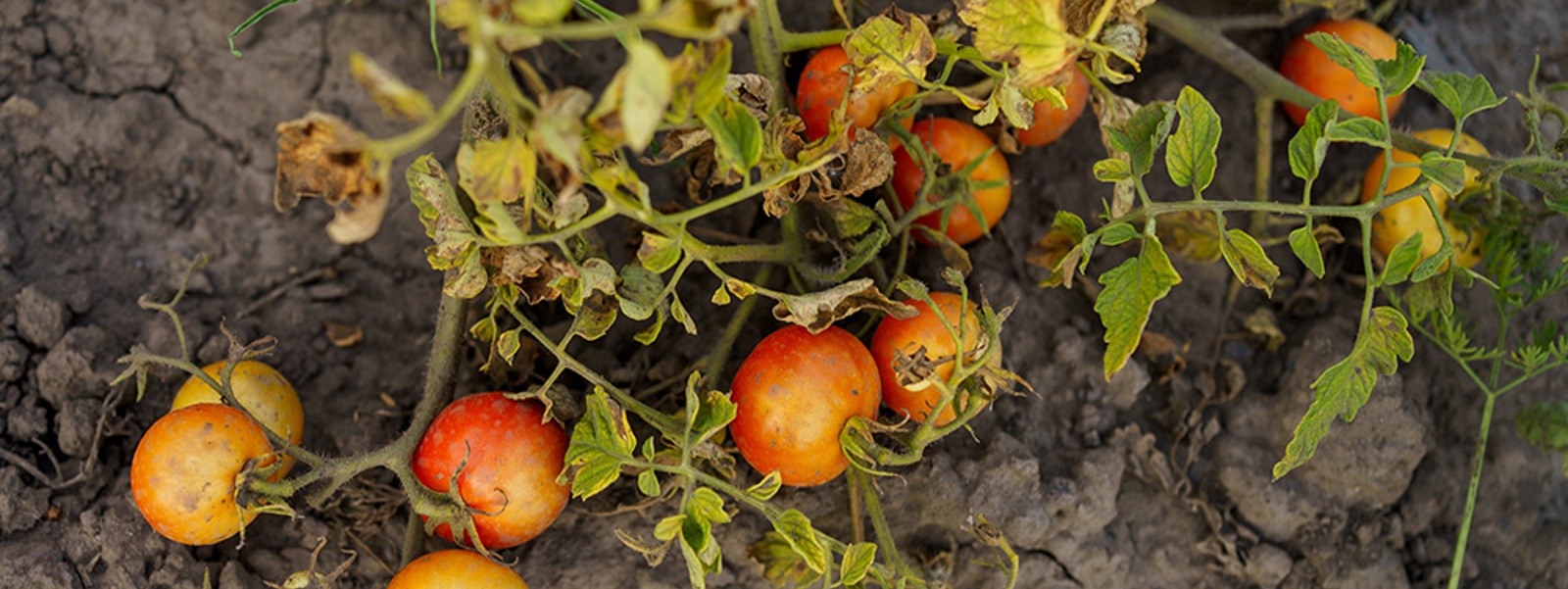
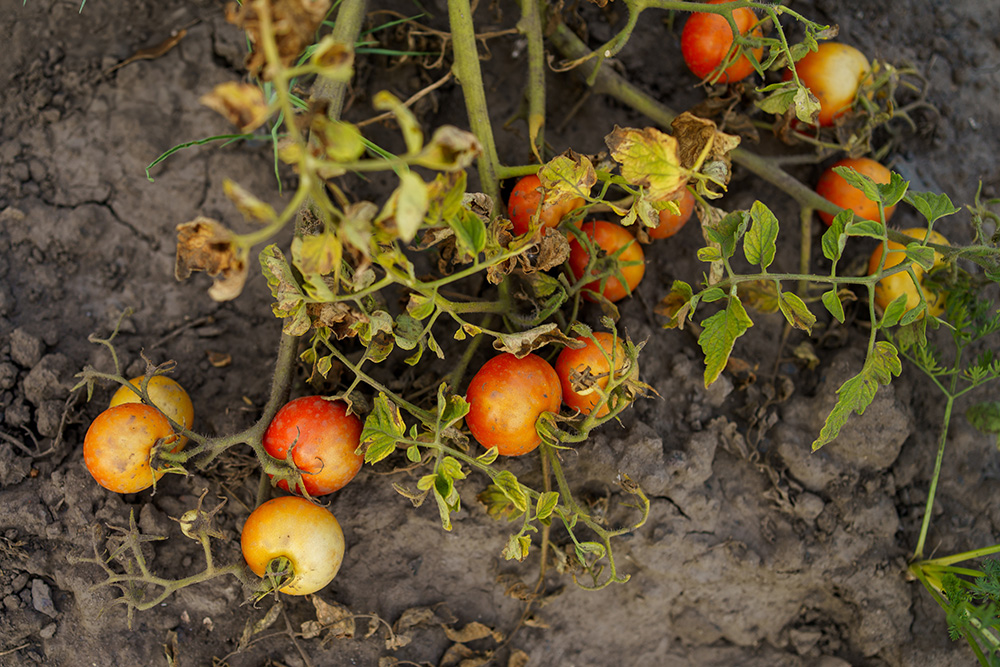
California processing tomato growers could face significant losses from rising temperatures, even with irrigation, as extreme heat reduces crop yields and tomato quality, according to a new University of California study.
Researchers Sarah Whitnall and Timothy Beatty examined how temperature affects the quantity and quality of processing tomatoes grown in California. They analyzed data from hundreds of commercial farms in the Central Valley from 2011 through 2021.
 “We find that extreme temperatures cause both lower yields and lower product quality, causing lower grower revenue as a result,” Whitnall and Beatty wrote.
Their findings challenge the assumption that irrigation can largely protect tomatoes from extreme heat.
“There is a long-held belief that irrigation mitigates the negative effects of extreme heat on agricultural crops,” the researchers wrote. But their analysis found that “extreme heat conditions affect processing-tomato plants despite growers’ use of irrigation.”
Whitnall and Beatty compared fields across growing seasons while accounting for factors including irrigation technology, tomato variety and soil type.
Tomatoes are planted between February and June, with harvest extending from July through October. This production schedule exposes plants to some of the hottest temperatures of the year.
The study found that tomato yields are highest when plants are exposed to temperatures around 82 degrees Fahrenheit. An additional 24 hours above 104 degrees results in an average 1.8% reduction in yield compared with a day at the average temperature of 79 degrees.
Heat also affects fruit quality, which can directly affect what growers earn. Payments can be reduced due to defects such as mold, green tomatoes, worms and other material. Growers also can receive bonuses or penalties based on sugar content.
The study found that an additional day above 104 degrees reduces the price growers earn by 0.2% because of reduced quality. Quality is best at about 68 degrees.
The effect of heat on revenue is greater because yield and quality are affected.An additional day at 104 degrees reduces grower revenue by about 2% compared with a day at the average temperature.
Although the effect on yield is greater, the researchers said failing to account for quality impacts “would cause us to underestimate the effect of heat on revenue by up to 12%.”
Looking ahead, they projected substantially more heat exposure in California’s processing tomato regions. Under a middle-of-the-road emissions scenario, average growing-season temperatures in those regions are projected to increase from about 73 F to 79 F by the end of the century.
More extreme heat also is expected. The number of hours processing tomato plants are exposed to temperatures above 104 F is projected to increase from about 28 hours to roughly 250 hours.
If growers continue to use current production practices without additional adaptation, the researchers estimated a 14% drop in yields, although the study indicated the decline could range from 7% to 31%.
Tomato quality also could decline between 2% and 5%. These projections are not inevitable, the researchers emphasized. Growers have several ways to adapt.
One option is to shift planting dates earlier in the season to reduce the amount of time plants spend in peak summer heat. Adjusting the timing and amount of irrigation also could provide some protection, although the study indicated irrigation alone has limits.
Developing heat-tolerant varieties and related technologies could provide another avenue for reducing losses.
The researchers also examined the possibility of moving processing tomato production to cooler areas of California. Some regions could have heat exposure by the end of the century similar to what current tomato-growing areas experience today.
But relocation would bring challenges, including competition with higher-value crops for agricultural land and potentially greater transportation costs. New processing facilities also could be needed if production moves far from existing plants.
The study concluded that continued warming presents a significant challenge for the processing tomato industry.
Whitnall and Beatty called for additional investment in research and development of heat-tolerant tomato varieties and related technologies while noting that growers can pursue other adaptation measures in the near term.


In this edition…
• View full issue
• Vineyard workers feel wine industry pain
• El Niño increases chances of winter storms and floods
• Everyone wins when farms invest in their employees
• New DWR director discusses water resiliency plans
• Irrigation can't shield tomatoes from extreme heat
• Owl study assesses rat management in nut orchards
• What is the best strategy to manage Botryosphaeria?
• Wage-and-hour questions from the field
• Vineyard adaptation to heat an economic balancing act
• Advocacy in Action: Dairy, water, wolves and trade
• Are irrigation jets right for your orchard or vineyard?
• Training aims at preventing heat illness in farmworkers





.svg.png)
