


Everyone wins when farms invest in their employees
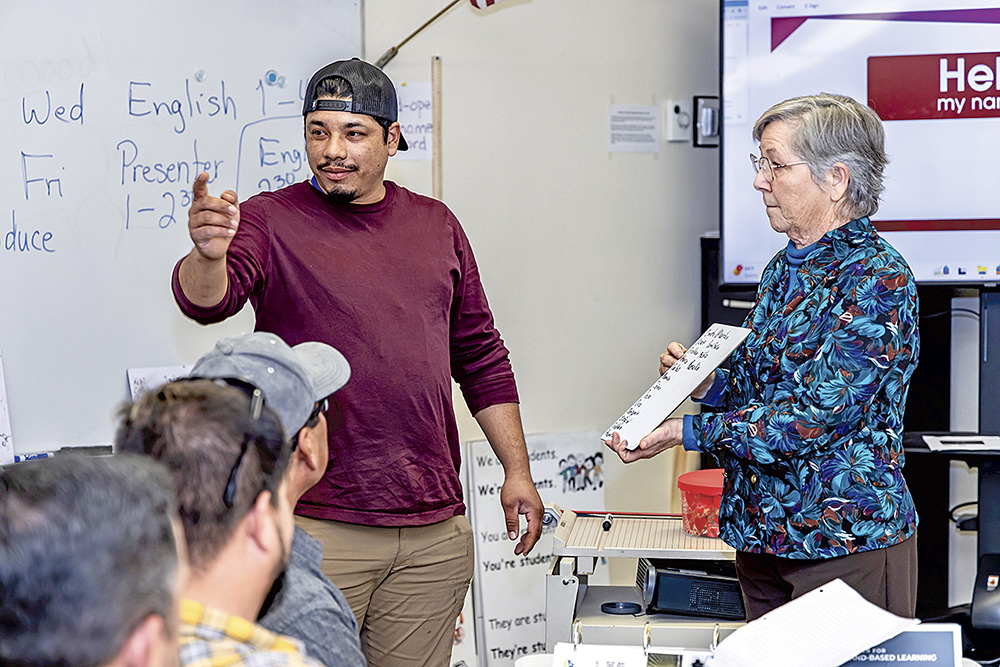
An employee of Knights Landing-based River Garden Farms, left, engages with English instructor Cece Drissia during an AgHiRE workshop at the Center for Land-Based Learning in Woodland.
Photo/Joan Cusick


By Trevor Tauzer
It’s hard to overstate the importance of crew leaders in making an agricultural operation run smoothly, or even run at all.
At Tauzer Apiaries in Woodland, our team of 45 beekeepers travels across the state pollinating more than 30 different crops. They include almonds, apples, cherries, melons, onions, cucumbers and sunflowers.
As with most agricultural operations, there’s no way the owners or managers can have their eyes on everything at all times. Even if we could, it’s probably not the healthiest way to run a business. We need partners in the field, and for many farms, they are our crew leaders. For us, they’re the key to the whole operation.
Our crew leaders each supervise a team of four beekeepers. While we do our best to train and equip them, it really is up to these employees to ensure things go well—for our bees, our clients and our employees—while they are out traveling across the state, sometimes on multiday trips.
We are blessed to have some of the most skilled and experienced beekeepers in the business leading our crews. Most started with us as beekeepers and were later chosen as crew leaders because of their practical knowledge of beekeeping, maturity and leadership qualities. They know all the tricks of the trade.
However, there can still be gaps in their understanding when it comes to people management, digital literacy, regulatory compliance and English.
Fortunately, several of our crew leaders have benefited from a career development program called AgHiRE, which is offered by the Center for Land-Based Learning in Woodland. The program provides training in each of those areas, bringing in experts to work with participating farmworkers on communication, computer skills, regulatory requirements and basic English.
I have appreciated how this program, which is designed for Spanish speakers, met our crew leaders where they were—recognizing their experience and abilities as well as their capacity to take more initiative and adopt a greater sense of ownership over their work.
In my experience, an employee’s limitations may in many cases stem less from a lack of knowledge or ability than from not having had the confidence or permission to step out of their comfort zone.
Programs such as AgHiRE provide a space for seasoned farmworkers to break down mental or technical barriers and try new things.
The progress our employees made in certain areas was truly remarkable.
I have seen a big shift in their effectiveness and professionalism when it comes to handling the kinds of interpersonal conflicts that can arise in any workplace. This can make all the difference in fostering a positive work environment.
The digital literacy training was also helpful. While everyone now has a smartphone in their pocket, being able to send a WhatsApp message may not mean a person knows their way around some of the apps that have become commonplace in agriculture. Some of our crew leaders really turned a corner in their technological skills after participating in the program.
Any opportunity for our employees to increase their comfort level with English is also valuable. While Spanish may suffice on many farms, including ours, our beekeepers spend lots of work time off the farm. This includes hours on the road, where they may need to speak with mechanics, landowners or anyone else. It’s a real asset to have more employees who are comfortable in English.
The AgHiRE program’s training on regulatory compliance has been hugely beneficial. As an employer, we can offer all the required trainings on heat safety and everything else. But it’s one thing for a crew leader to be able to recite the requirements and another for them to have an appreciation for the purpose behind some of these safety rules and be able to communicate them and get buy-in from their crews.
Even if we think we know the message we want to send, the employer is not always the right messenger. It takes a lot of weight off my shoulders to know I have a group of people I trust who are respected by the rest of the employees and capable of delivering important messages about workplace safety or other aspects of the job.
Whether it’s through AgHiRE or another program, I would encourage any farm employer to take advantage of career development opportunities for their employees, and especially for crew leaders who play such a vital role in many operations.
While it is an investment and a time commitment, in our experience it has been more than worthwhile. The AgHiRE program opened new doors for our employees while providing an opportunity to build trust and demonstrate that we value them.
I believe it also benefits us as a company when employees—and prospective employees—know they can learn skills here that will help them advance in their careers and build a better life.
AgHiRE is enrolling participants in its next cohort, which will run from Dec. 1 through March 11. For more information, visit www.landbasedlearning.org/program/aghire/.
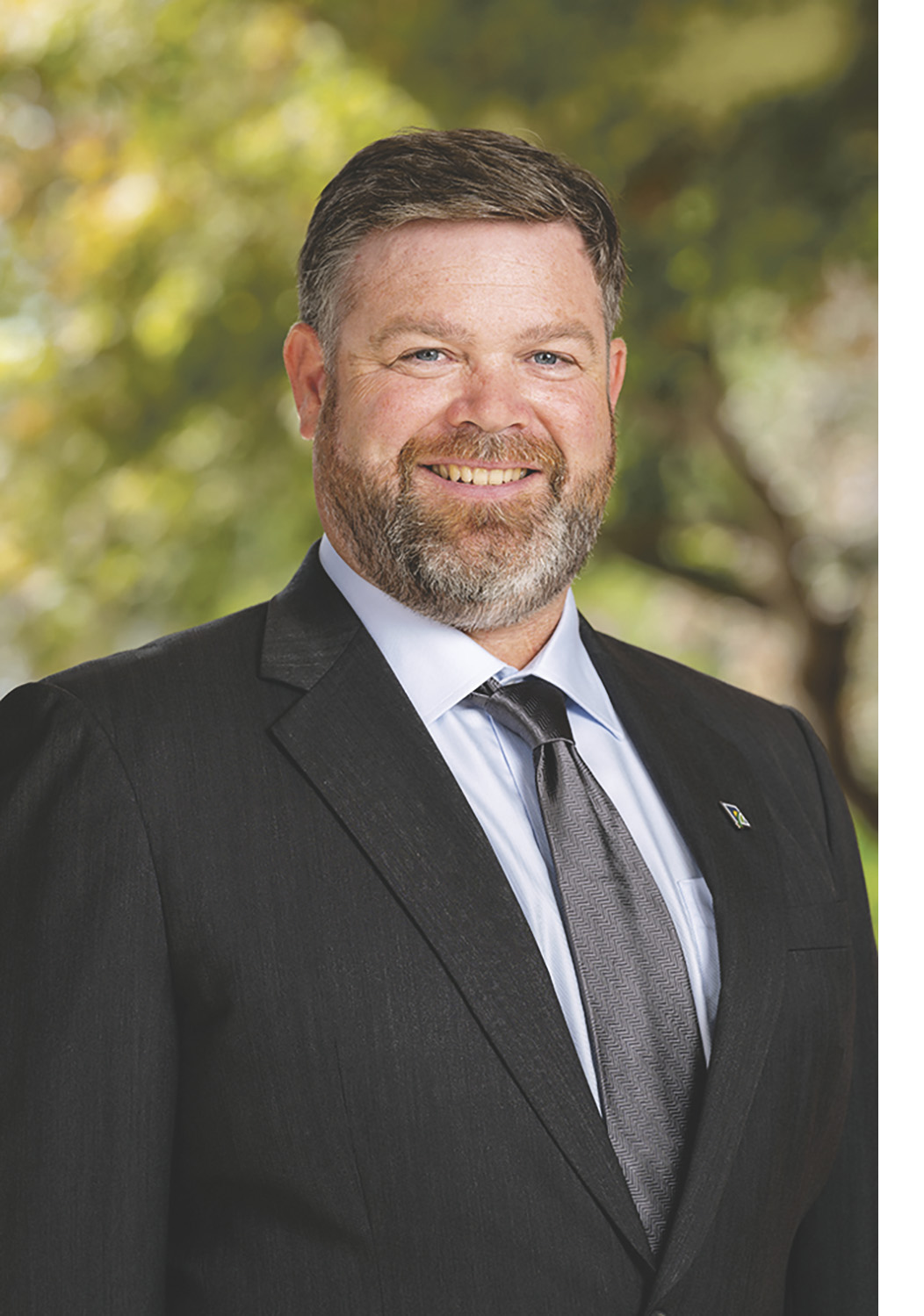
Trevor Tauzer is a second-generation beekeeper and chief operating officer of Tauzer Apiaries in Woodland. He can be reached at trevor@tauzerbees.com.
Reprint with credit to California Farm Bureau. For image use, email agalert@cfbf.com.

In this edition…
• View full issue• Vineyard workers feel wine industry pain
• El Niño increases chances of winter storms and floods
• Everyone wins when farms invest in their employees
• New DWR director discusses water resiliency plans
• Irrigation can't shield tomatoes from extreme heat
• Owl study assesses rat management in nut orchards
• What is the best strategy to manage Botryosphaeria?
• Wage-and-hour questions from the field
• Vineyard adaptation to heat an economic balancing act
• Advocacy in Action: Dairy, water, wolves and trade
• Are irrigation jets right for your orchard or vineyard?
• Training aims at preventing heat illness in farmworkers





.svg.png)
