


From the Fields: Ken Mitchell, Sacramento County squab producer
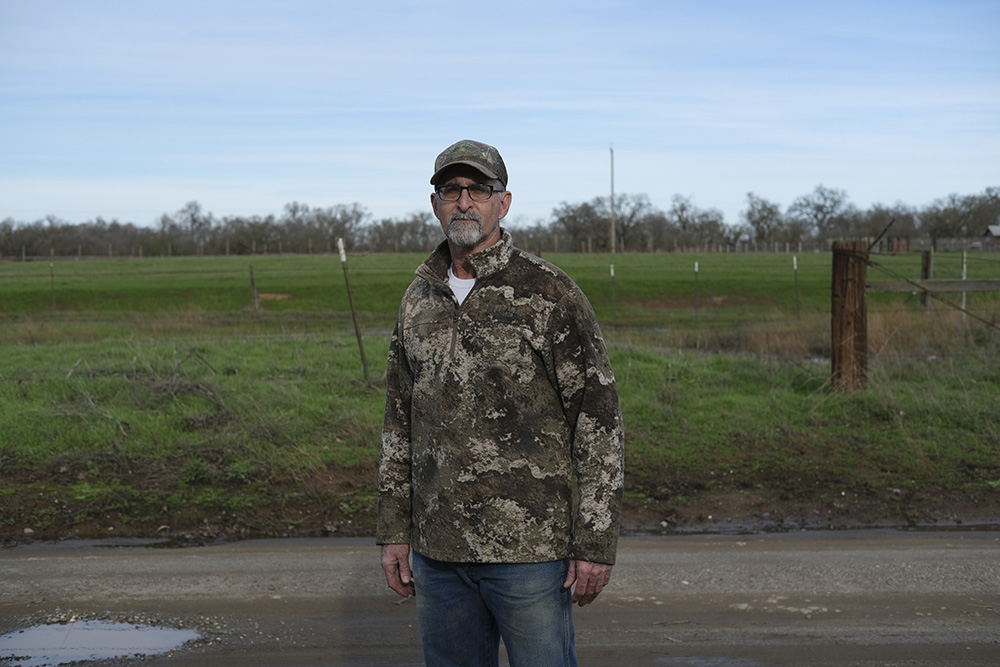
Photo/Caleb Hampton


By Ken Mitchell
Sacramento County squab producer
After the loss of turkey production—not only in California but across the industry due to avian influenza, disease pressures and declining sales—we made the decision to transition into squab production. We raise meat pigeons, not barn pigeons or racing pigeons but California Kings, which are specifically bred for meat production. The primary markets are the Asian trade, Chinese restaurants, fine-dining establishments and French Canadian cuisine.
We’ve completed most of what we consider Phase 1, which should be fully finished within about six weeks. Phase 1 will house approximately 7,400 birds, or about 3,400 to 3,500 breeding pairs. We’re purchasing breeding stock from another grower within the cooperative and have officially become members. We’re currently producing about 200 squab each month for the co-op.
Breeding pairs stay together for life, which can range anywhere from three to 12 years. Managing those breeding pairs, minimizing losses and keeping them productive has become one of the most important parts of the operation.
Converting the turkey facility required considerably more carpentry and labor than we originally anticipated, making the project more expensive than expected. However, production has started, so we’re beginning to see revenue come back into the operation. The buildings are similar, but squab production requires a completely different setup, with nesting boxes, 8-by-10 pens and much more hands-on management.
We made this transition not just because we wanted to but because we needed to. The turkey business had simply reached a point where it was no longer sustainable. One of the strengths of the squab industry is its cooperative structure. You must first become a member of the cooperative before you can produce birds, and breeding stock must come from existing members. That naturally limits expansion. Current production still supplies less than half of the existing market demand, so there is significant room for growth. The cooperative carefully manages expansion based on sales and market demand, giving existing growers the first opportunity to increase production before bringing in additional growers.

In this edition…
- 'Rough' peach crop caps a bitter season
- Processed tomato growers hope for market recovery
- Young farmer reflects on her agricultural leadership
- State's farmers seek fairness in trade talks with Canada
- From the Fields: Rod Chamberlain, Riverside County mango and vegetable farmer
- From the Fields: Joe Valente, San Joaquin County winegrape grower
- From the Fields: Trevor Airola, Calaveras County rancher
- From the Fields: Ken Mitchell, Sacramento County squab producer
- Latest campaign positions walnuts as fresh produce
- Feds release Colorado River framework for next 10 years
- Tomato variety key to controlling fusarium stem rot
- Ruling: State can withhold quarantined dairy locations
- Study: Napa wine compliance costs near 18% of production
- Farm Bureau eyes screwworm, food labeling, wildfires, landlines and endangered species
- Planning for retirement: A guide for young farmers
- View full issue





.svg.png)
