


From the Fields: Joe Valente, San Joaquin County winegrape grower
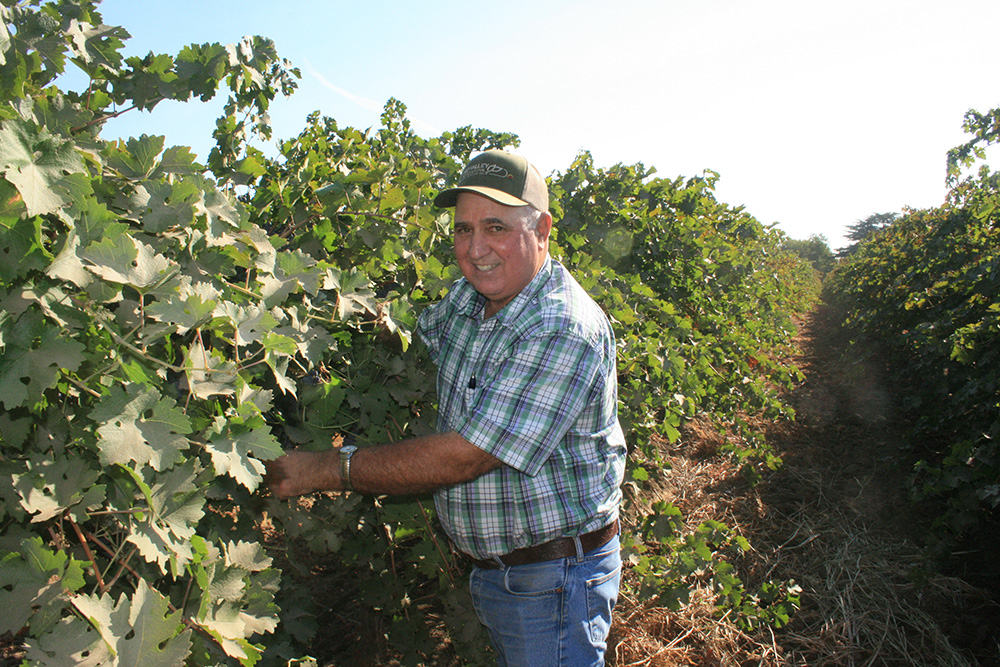
Ag Alert file photo


By Joe Valente
San Joaquin County winegrape grower
We’re starting harvest about two weeks earlier than normal. Typically, we begin harvesting during the second or third week of August, but this year we started at the end of July. We anticipated an earlier season because of the unusually warm weather we experienced in March. Everything started developing early and continued that schedule throughout the growing season. At this point, it’s still difficult to know exactly what yields will look like until harvest is underway. We’re expecting somewhere between a light and average crop.
The earlier harvest mainly affects timing and logistics. Every year we build our schedule around when harvest normally begins, including preparing equipment and organizing labor. When harvest starts two weeks ahead of schedule, everything has to be ready sooner than expected. Fortunately, we were able to get everything together in time.
Labor has been very good this year. We haven’t experienced any significant labor shortages during pruning or other vineyard work. Most of our grapes are harvested mechanically, so while labor is always important, we aren’t as dependent on large hand-harvest crews as some other operations.
Overall, the weather has been very favorable. While it’s been warm, we haven’t experienced many days above 100 degrees, and we’ve avoided the prolonged stretches of 105- to 110-degree temperatures that can create problems. The mild summer has also helped reduce disease and pest pressure. Mildew hasn’t been much of an issue this season, and we also haven’t seen the mite pressure that typically develops during hotter weather.
Overall, it’s been an excellent growing season from a weather standpoint. We grow enough fruit that we sell to outside wineries in addition to using it in our own wineries, but there simply aren’t as many buyers as there once were. Even when we process fruit ourselves, we still must sell the finished wine, so the challenge doesn’t disappear. Whether it’s grapes on the vine or wine in the bottle, marketing the product remains difficult.

In this edition…
- 'Rough' peach crop caps a bitter season
- Processed tomato growers hope for market recovery
- Young farmer reflects on her agricultural leadership
- State's farmers seek fairness in trade talks with Canada
- From the Fields: Rod Chamberlain, Riverside County mango and vegetable farmer
- From the Fields: Joe Valente, San Joaquin County winegrape grower
- From the Fields: Trevor Airola, Calaveras County rancher
- From the Fields: Ken Mitchell, Sacramento County squab producer
- Latest campaign positions walnuts as fresh produce
- Feds release Colorado River framework for next 10 years
- Tomato variety key to controlling fusarium stem rot
- Ruling: State can withhold quarantined dairy locations
- Study: Napa wine compliance costs near 18% of production
- Farm Bureau eyes screwworm, food labeling, wildfires, landlines and endangered species
- Planning for retirement: A guide for young farmers
- View full issue





.svg.png)
