


Zinc, boron, manganese and their role in nut production
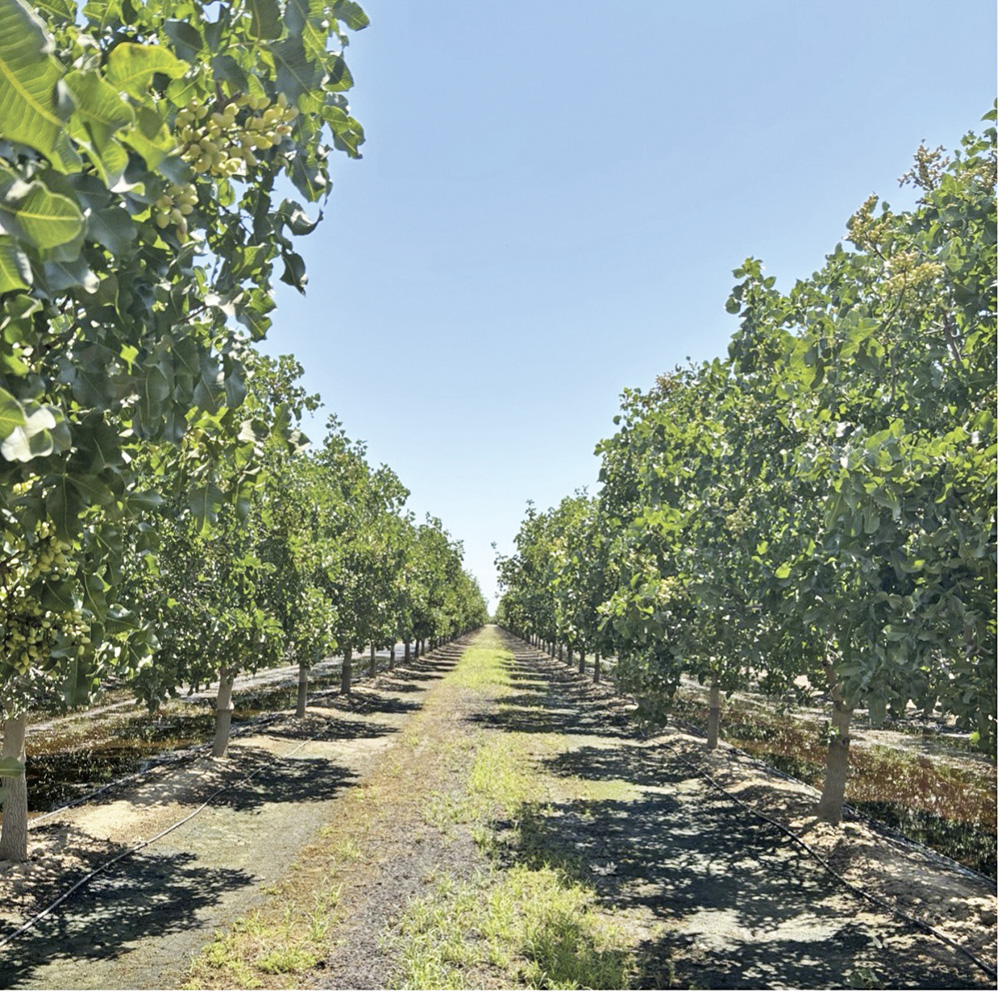
Certified crop advisers use soil test data to guide nutrient management, helping growers apply fertilizers efficiently and protect yields.



By Kolton Christenson
Micronutrients are needed in only small amounts, but they are essential in crop productivity. Unlike macronutrients—for example, nitrogen, phosphorus and potassium—micronutrients function primarily as enzyme activators, electron carriers and regulators of plant metabolism. They help drive many physiological processes that support growth, reproduction and stress tolerance.
As a certified crop adviser, I encourage growers to think of micronutrients not as “minor” inputs but as essential tools for maximizing orchard performance. While they are applied in small quantities, their timing and availability can have a significant impact on tree health, yield and nut quality.
In California almond and pistachio orchards, micronutrient management extends beyond the current season. Adequate nutrition supports this year’s canopy growth, nut development and kernel fill while also influencing spur development, flower bud formation and carbohydrate storage that determine next year’s crop potential. There are three micronutrients that deserve your attention.
Zinc plays a critical role in spur development, flower development, pollen tube growth, early shoot vigor, kernel development and the tree’s ability to tolerate environmental stress. When zinc is deficient, growers may see weaker bloom, increased fruit drop, poor shoot growth, reduced spur initiation, more blank nuts and smaller kernels. Maintaining adequate zinc levels helps build the foundation for this year and next year’s production.
Boron is equally important during bloom and fruit set. Adequate boron promotes pollen germination and pollen tube growth, improving fertilization and fruit set. It also contributes to strong cell wall development, more uniform kernel development and overall nut quality. Because boron demand increases around bloom, ensuring sufficient availability during this period is especially important.
Manganese is often overlooked, but it deserves much more attention. It is essential for photosynthesis, carbohydrate production and numerous enzyme systems. A manganese deficiency can have lasting consequences. During the current season, it may reduce kernel fill, increase shrivel, lower kernel weight and reduce carbohydrate storage. It can also contribute to earlier hull split, potentially increasing exposure to navel orangeworm. Looking ahead to next season, manganese deficiency can reduce flower bud formation, weaken bloom and decrease spur retention, ultimately limiting future yield potential.
Although zinc, boron and manganese represent only a small fraction of a tree’s total nutrient content, their impact on orchard productivity is substantial. Trees often continue growing when micronutrient levels are low, but they rarely perform at their full genetic potential. Strategic applications of the right products can effectively correct deficiencies and support tree performance.
If you’re unsure whether your orchard has adequate micronutrient levels, start with a comprehensive tissue and soil analysis and work with a certified crop adviser to develop a nutrition program tailored for your crop. Small adjustments today can translate into stronger trees, higher-quality nuts and improved productivity in the seasons ahead.
Kolton Christenson is a technical sales representative for BioFlora and Western Region Certified Crop Adviser board member.


In this edition…
• Expected almond crop yield slightly smaller this year
• Cyclospora fallout hits California farmers
• Memory loss on the farm is more than a health issue
• State regulator: 'We should fight to keep our farms'
• California startup advances in Ag Innovation Challenge
• Almond hulls being tested for use as food ingredient
• Wolf reports show continued livestock losses, more packs
• Nonprofit program aims to bring more rice to delta
• Mothballing offers middle ground in wine downturn
• Dial 811 first to protect your land, workers and neighbors
• Could coastal citrus mites destroy your crop in weeks?
• Zinc, boron, manganese and their role in nut production
• More funds devoted to stop sharpshooter
• Advocacy in Action: Labor, fire equipment, climate funds, Gualala River, endangered species, dairy order, lily bulbs
• Meeting to address risk in uncertain times





.svg.png)
