


More funds devoted to stop sharpshooter
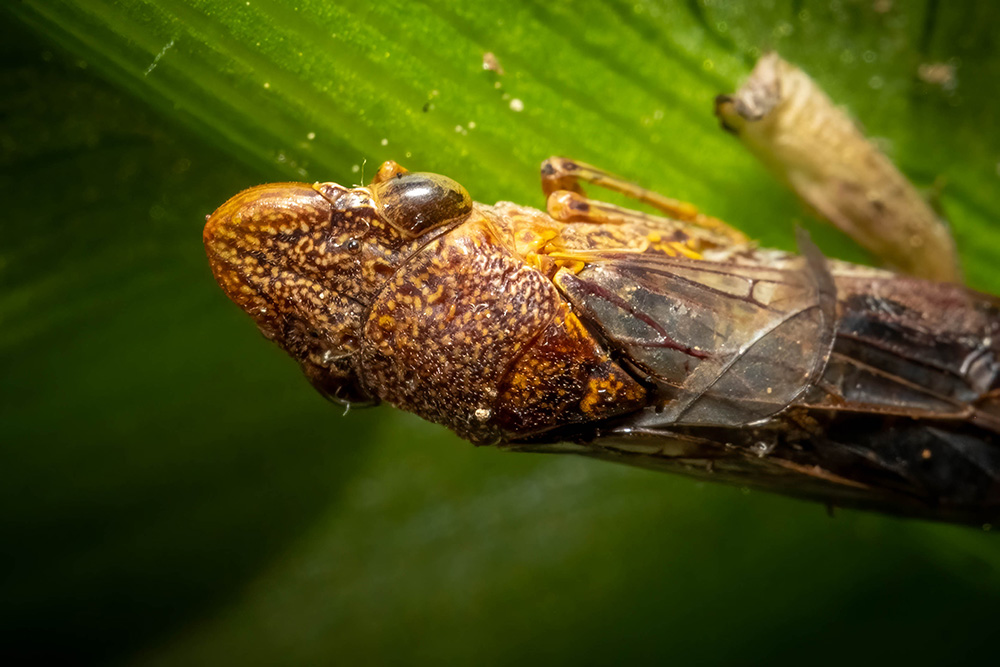
Photo/Licensed image


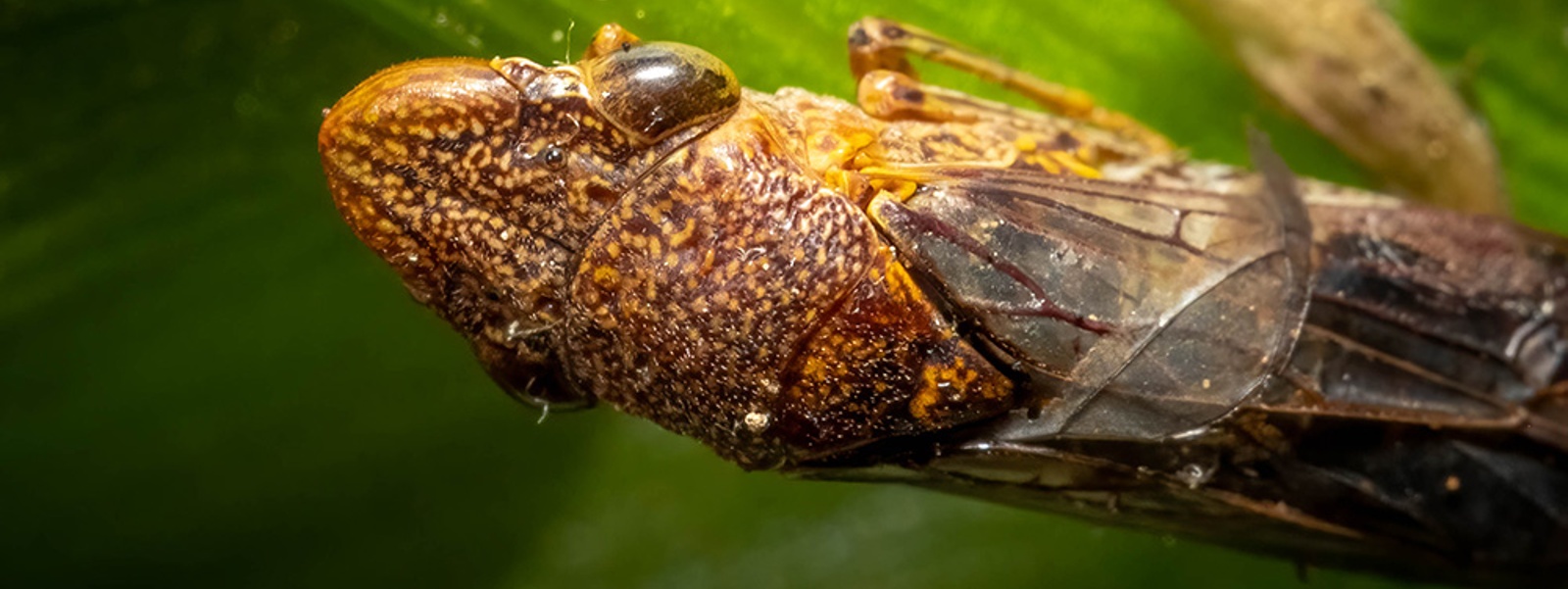
The state has committed $820,000 to help contain the invasive glassy-winged sharpshooter, which can spread Pierce’s disease, a fatal threat to grapevines, after potentially infested nursery vines were distributed across the state.
The Pierce’s Disease and Glassy-Winged Sharpshooter Board approved the emergency funding from its reserves to support the ongoing response to nearly 10,000 grapevines traced to a Fresno nursery. The vines may have carried the pest into 40 counties.
Since May, county agricultural officials have contacted more than 3,100 customers who purchased the vines, inspected or destroyed more than 2,900 plants and deployed more than 2,700 additional insect traps.
The sharpshooter has been detected on customer plants in 23 counties. Officials say inspections and trapping will need to continue for at least three years to determine whether the pest spreads beyond affected properties.
The effort is aimed at preventing the sharpshooter from becoming established in Northern California, where it could threaten winegrapes and other agricultural and landscape plants.
A 2025 economic study estimated that unchecked Pierce’s disease outbreaks associated with the sharpshooter could cost winegrape growers an additional $56 million annually in lost production and vine replacement.
“Putting $820,000 from the board’s limited reserves toward this effort is a major commitment for our industry and shows how seriously we’re taking this threat,” board Chairman Trey Irwin said.
The funding comes from assessments paid by California winegrape growers. Since 2001, the board has invested $99 million in research, outreach, prevention and control efforts targeting Pierce’s disease, grapevine viruses and their insect vectors.
Michelle Pham, state response lead for the Pierce’s Disease Control Program, said continued monitoring will require coordination among growers and county, state and federal agencies.

In this edition…
• Expected almond crop yield slightly smaller this year
• Cyclospora fallout hits California farmers
• Memory loss on the farm is more than a health issue
• State regulator: 'We should fight to keep our farms'
• California startup advances in Ag Innovation Challenge
• Almond hulls being tested for use as food ingredient
• Wolf reports show continued livestock losses, more packs
• Nonprofit program aims to bring more rice to delta
• Mothballing offers middle ground in wine downturn
• Dial 811 first to protect your land, workers and neighbors
• Could coastal citrus mites destroy your crop in weeks?
• Zinc, boron, manganese and their role in nut production
• More funds devoted to stop sharpshooter
• Advocacy in Action: Labor, fire equipment, climate funds, Gualala River, endangered species, dairy order, lily bulbs
• Meeting to address risk in uncertain times





.svg.png)
