


State regulator: 'We should fight to keep our farms'
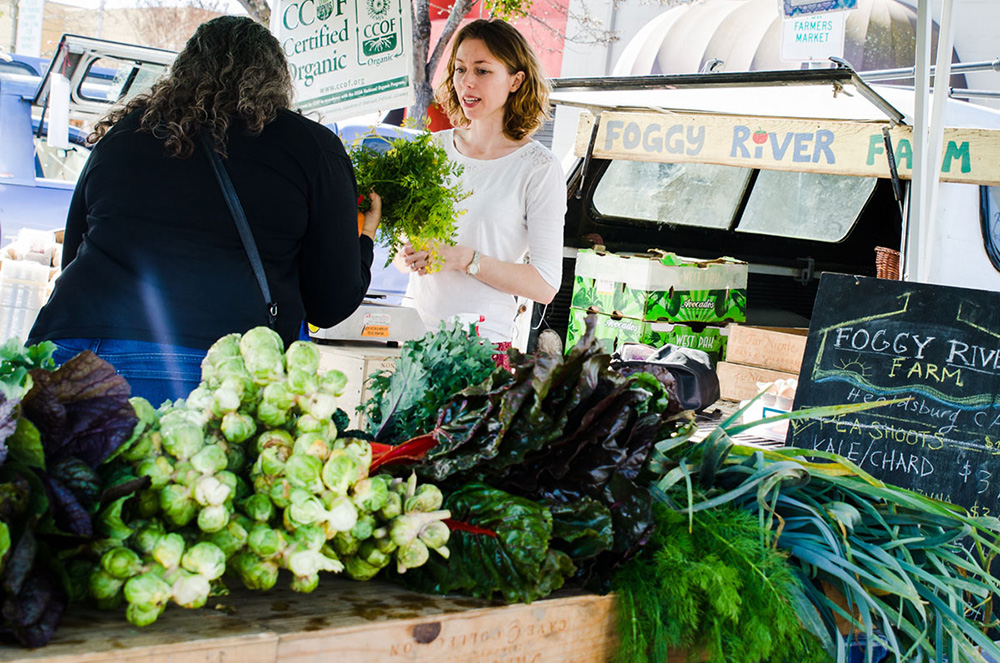
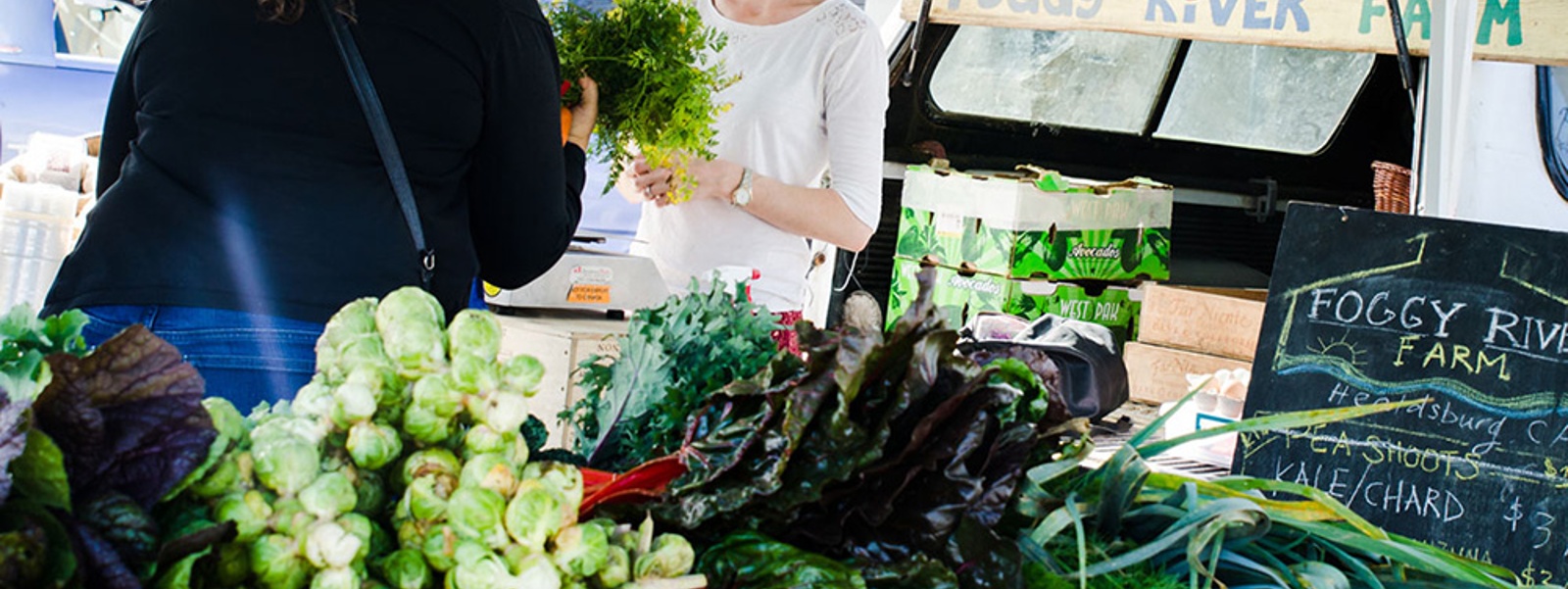
Lynda Hopkins sells organic produce grown at her family’s Foggy River Farm in Healdsburg. Hopkins is a Sonoma County supervisor and member of the California Air Resources Board.
Photo/Courtesy of Linda Hopkins for Supervisor



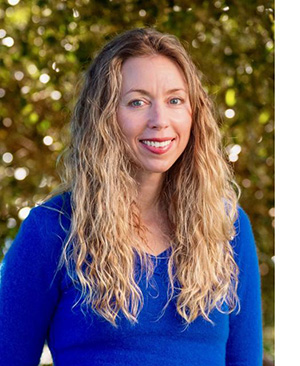
• Lynda Hopkins is a farmer, supervisor representing Sonoma County’s 5th district and member of the California Air Resources Board. She spoke with Ag Alert® about how her farming experience shaped her approach to government policy and her concerns about anticipated state funding cuts for climate-smart farm programs.
How long have you been a member of the California Air Resources Board? What do you hope to accomplish there?
I’ve been on about a year and a half. One of my focuses is connecting deeply with stakeholders. CARB often feels like a big, faceless bureaucracy. I have made it a point to have an open-door policy and to try to meet with everyone, including the regulated community—from agriculture to oil companies and multinational corporations, as well as environmental and community groups. What I find is that when you actually sit down with folks, it becomes much easier to have commonsense conversations.
Can you tell me about your family’s farming experience and agriculture in Sonoma County’s 5th district?
I married a third-generation farmer, and we started a farm in the Russian River Valley. We ran a community-supported agriculture program, sold at a bunch of farmers markets and did wholesale with diverse row crops. We also grew grains and beans, and we raised livestock. We’re no longer operating at that scale. We still tend our orchard, which includes heritage apples and stone fruit, and grow some pumpkins and winter squash, but mostly on a homestead scale. We still have goats and ducks as well. I milk a goat every morning and take pride in growing a lot of the things that my family eats. My in-laws grow winegrapes as their primary business.
Agriculture is a critical part of Sonoma County. In my district, we have winegrapes, row crops, orchards, dairies, poultry, sheep and beef cattle. It’s a broad cross section of agricultural production. We’re working hard to address what I would call a crisis in agriculture. Some of that is the weight of cumulative regulation. Some of it is the cost of labor, fuel and other inputs. Agriculture is who we are, and it’s really important to me that we continue that legacy in western Sonoma County.
How has your farming experience shaped how you approach your work at CARB?
It really drives my passion for appropriate regulation. When I started farming, I didn’t realize how little time I would spend actually farming and how much time I would spend on compliance and paperwork. I saw how burdensome regulatory processes can be, and it doesn’t necessarily lead to a better outcome. I feel like too often government caters to the lowest common denominator or assumes that everybody is a bad apple. Folks who are just trying to do the right thing end up having to endlessly prove they’re doing the right thing. Those frustrations I experienced as a farmer are some of what I carry into CARB.
Because of recent changes in California’s Cap-and-Invest Program, farmers are expected to lose some state funding—provided through the Greenhouse Gas Reduction Fund—for climate-smart practices. Will that affect voluntary practices only or also regulatory requirements that farmers may now have to pay for out of their own pockets?
I believe it’s both. It’s a shame to lose that funding. In my opinion, it’s a huge missed opportunity. We have the opportunity to partner with farmers on things that make financial sense, make environmental sense and benefit local economies, and with the loss of funding, it’s really going to hit farmers. There was a broad coalition of folks—from the Farm Bureau to the environmental justice community—all saying this doesn’t make sense. You’re removing funding from some really cost-effective and critical programs.
What role does the GGRF play in funding climate-smart farming practices?
It’s been huge. There’s a lot that feels like it’s stacked against agriculture right now. This was something that actually helped folks.
One of the programs I’ve tracked closely is the Alternative Manure Management Program, which has been funded by GGRF and has been hugely popular in the North Bay. It allows for the purchase of manure separators, which make more sense for smaller-scale dairies for whom methane digesters don’t really make sense.
What are some other farm programs that could go away or lose funding?
I am concerned about the Funding Agricultural Replacement Measures for Emission Reductions (FARMER) program. The money goes to local air districts, allowing us to provide funds for lower-emitting infrastructure. That has been very popular in the San Joaquin Valley and very effective in terms of improving air quality.
I’m also concerned about the future of the Healthy Soils Program and a lot of these collaborative initiatives with the California Department of Food and Agriculture.
Many of these programs have demonstrated measurable greenhouse gas reductions. Why do you think they haven’t been prioritized by the state?
It drives me crazy. I feel like this is low-hanging fruit. In so many other instances, it is so expensive to get additional emission reductions. And yet, we have such a huge opportunity in our natural and working lands that I feel like we’ve barely scratched the surface of. To answer the question more directly, I think it comes down to political math. A lot of people live in the cities, and those folks have a lot of assembly members and state senators who aren’t familiar with the needs and challenges of rural communities. I really wish more folks were connected with where food comes from, which is farms.
Lots of farmers operate on slim margins. What do you think will happen if public funding for these practices is reduced or eliminated?
I don’t want to think about it. I’m concerned farms will just go out of business. Honestly, what we tend to see is consolidation. We end up losing the family farmers—families that have been farming for three, four, five generations. We should fight to keep our farms, and in my opinion, that means positive incentives that help them comply with regulations and help the state meet its emission reduction targets.
I just don’t feel like the Legislature has prioritized agriculture in California. We are the food basket of the United States, and I believe we have some of the best farmers in the world. They are meeting higher standards than anywhere else in the United States. That’s wonderful. I love that we are going to lead the nation, but then we need to support our farmers in achieving those objectives.
How does CARB plan to engage with farmers moving forward?
That’s a great question. I’m happy to meet with folks any time. I love meeting with farmers, and I’ve been advocating for an ag ombudsman at CARB whose job it would be to interact and liaise with farmers. Most farmers are so busy trying to do their best farming, and it can be challenging to navigate a large bureaucracy like CARB.

In this edition…
• Expected almond crop yield slightly smaller this year
• Cyclospora fallout hits California farmers
• Memory loss on the farm is more than a health issue
• State regulator: 'We should fight to keep our farms'
• California startup advances in Ag Innovation Challenge
• Almond hulls being tested for use as food ingredient
• Wolf reports show continued livestock losses, more packs
• Nonprofit program aims to bring more rice to delta
• Mothballing offers middle ground in wine downturn
• Dial 811 first to protect your land, workers and neighbors
• Could coastal citrus mites destroy your crop in weeks?
• Zinc, boron, manganese and their role in nut production
• More funds devoted to stop sharpshooter
• Advocacy in Action: Labor, fire equipment, climate funds, Gualala River, endangered species, dairy order, lily bulbs
• Meeting to address risk in uncertain times





.svg.png)
