


Dial 811 first to protect your land, workers and neighbors
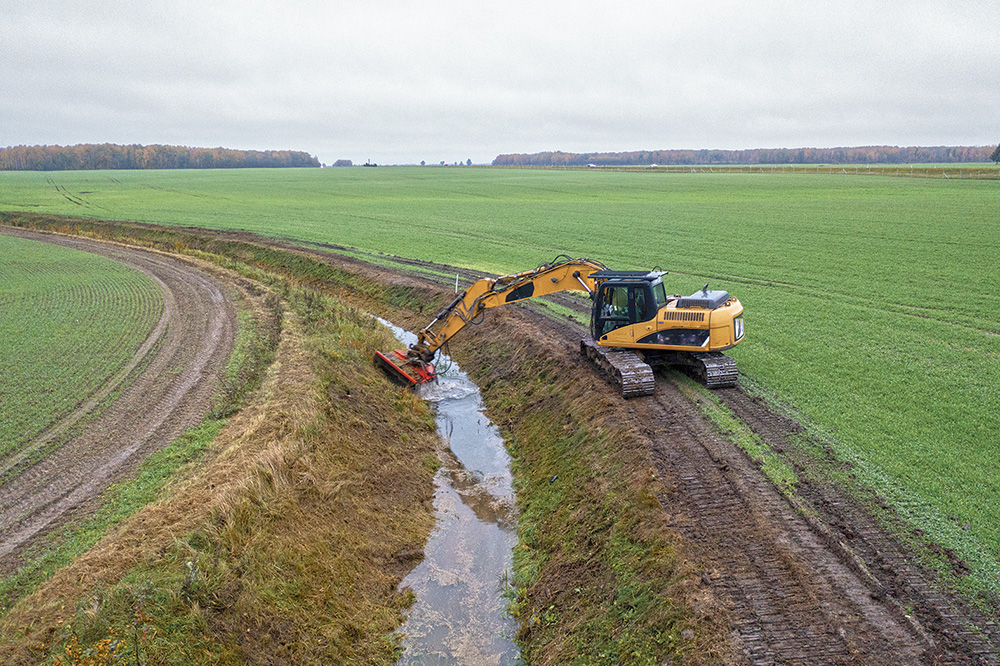
Farmers and ranchers are urged to contact 811 before breaking ground so underground utility lines can be located and marked to prevent damage and protect workers.


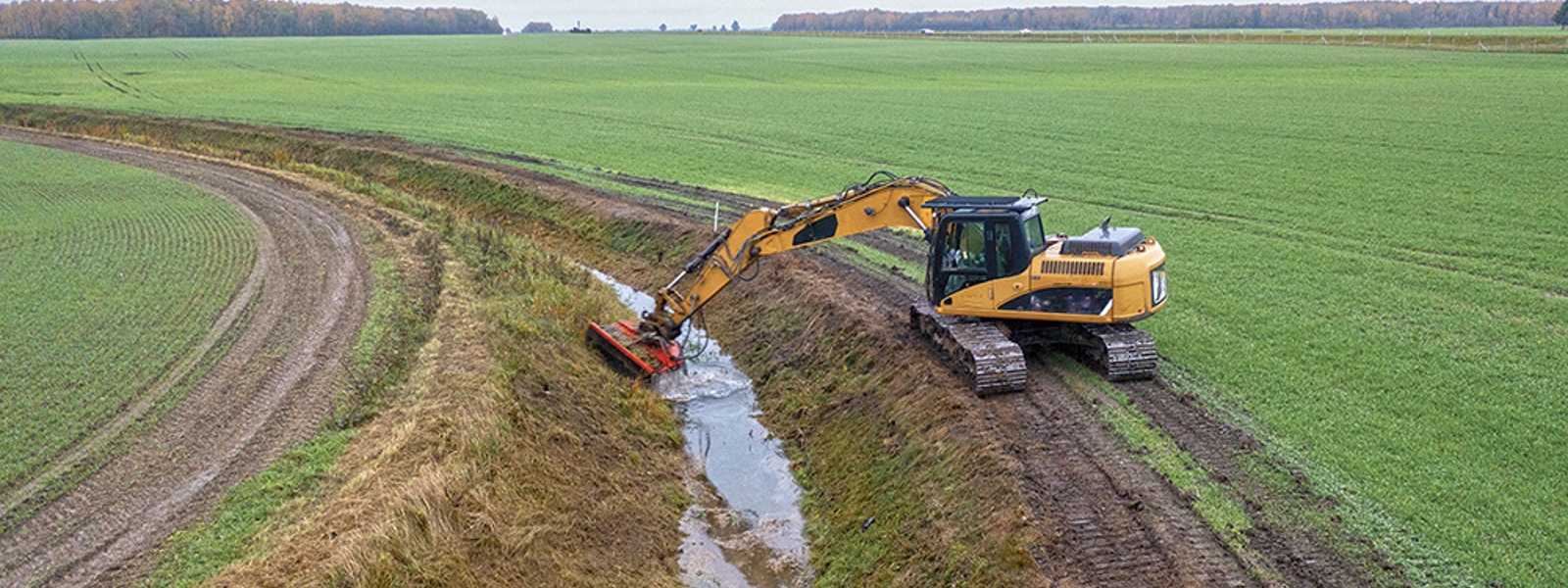
California farmers: A free, simple call to 811 before you dig can prevent injuries, costly repairs and service outages—and in our state, it is the law. Taking a few minutes to start an 811 ticket protects your crew, land and bottom line every time you break ground.
What 811 is—and why it matters on the farm
811 is the national “call before you dig” number that connects you with Underground Service Alert, the one‑call center that notifies utilities about your planned excavation so they can mark the location of buried lines. In Northern and Central California, that service is provided by USA North 811, which covers from the Oregon border south through Kern and San Luis Obispo counties.
Modern farms are crossed by an invisible web of gas pipelines, electric lines, communications cables, water and sewer lines—many installed decades ago and not shown on any ranch map. Hitting one of these lines with a post-hole auger, ripper or backhoe can cause serious injury, expensive damage, and long‑lasting interruptions to your operation and your neighbors.
It’s the law—and it’s free
In California, contacting 811 before you dig is a legal requirement, including agricultural work. State rules require that you start an 811 ticket at least two working days before you dig. Agricultural operations can submit a ticket up to six months in advance.
There is no charge to call 811 or to have utilities come out and mark their lines. One request notifies all participating utility owners in your dig area, saving you from making multiple calls and making sure you are covered beyond the lines you know you have on the ranch.
Why farms have higher stakes
Farm machinery keeps getting larger and more powerful, and tillage or trenching equipment today can reach depths that easily intersect buried infrastructure. At the same time, erosion, past grading or new construction can leave lines closer to the surface than they were when first installed.
Striking a natural gas or petroleum line can cause fire, explosion or release of hazardous materials, threatening workers, livestock and neighbors. Damaging power or communications lines can shut down your own operations, disrupt irrigation systems, affect food processors and cold storage, and cut off critical services to nearby communities.
How the 811 process works
Before you contact 811, you are asked to premark the area where you plan to dig using white paint, flags or stakes. These clear “white-line” marks help locators know exactly where your work will occur, which speeds up the process and improves accuracy.
You can then dial 811 or submit a ticket request online a few days before you plan to dig, providing the location, type of work and timing of your project. USA North 811 will alert the utility owners in your area, who will send trained locators to mark the approximate locations of their buried lines with colored paint or flags.
Reading the marks and digging safely
Each color on the ground represents a different type of utility—for example, yellow for gas, red for electric, blue for water and orange for communications. Before you start work, confirm that all utilities listed on your ticket have responded and that your project area is fully marked or cleared.
Use the marks as a guide and treat the space around them as a tolerance zone where only careful hand digging should be used. When a line is exposed, adjust your plan or work around it slowly, keeping mechanized equipment away from the immediate area of the markings.
Hit a line? Stop and report
If you strike or even nick a line—gas, electric, communications or other—stop work immediately and move people away from the area. For gas lines, evacuate upwind, avoid starting vehicles or equipment nearby, and call 911 and the utility from a safe location.
Never attempt to repair a damaged line yourself or bury it and move on. Utilities stress that every contact, even if it appears minor, should be reported so professionals can inspect and repair it safely and prevent future failures.
Clearing up misconceptions
Surveys have shown that many farmers know about 811 but still skip the call due to misconceptions about when it applies or how long it takes. In reality, calling 811 is required for a wide range of routine farm projects—from installing fence posts and corrals to putting in new irrigation lines, digging stock‑water pipelines, trenching for power or building a new shop.
Another misconception is that if you have worked a field for years, you already know what is underground. Utilities can add or relocate lines, and easements may cross lands in unexpected ways, so each new digging project should start with a fresh 811 ticket—even on familiar ground.
Planning ahead as part of farm safety culture
Safe digging fits naturally with other on‑farm safety practices such as lockout/tagout on equipment, pesticide handling rules and confined‑space precautions. Making 811 part of your standard planning for any earth‑moving job reinforces a culture that protects employees, family members and neighbors.
You can designate a competent person on your operation to handle 811 requests, review markings and complete a job hazard analysis before crews begin digging. Building this step into your preseason and preproject checklists helps avoid delays and ensures compliance with California law and utility requirements.
Learn more, request tickets
USA North 811.org offers online ticket entry, education and agriculture‑specific guidance for farmers and ranchers in Northern and Central California. The website explains how to premark, what information you will need when you call, how long markings are valid and how to refresh tickets if work is delayed.
For digs in Southern California, call 811 (or 800-422-4133) or visit DigAlert.org at least two working days before you plan to dig.
Whether you are setting posts along a county road, trenching a new mainline or grading a new building site, starting every project with 811 is one of the most cost‑effective risk‑management tools available to California agriculture.

In this edition…
• Expected almond crop yield slightly smaller this year
• Cyclospora fallout hits California farmers
• Memory loss on the farm is more than a health issue
• State regulator: 'We should fight to keep our farms'
• California startup advances in Ag Innovation Challenge
• Almond hulls being tested for use as food ingredient
• Wolf reports show continued livestock losses, more packs
• Nonprofit program aims to bring more rice to delta
• Mothballing offers middle ground in wine downturn
• Dial 811 first to protect your land, workers and neighbors
• Could coastal citrus mites destroy your crop in weeks?
• Zinc, boron, manganese and their role in nut production
• More funds devoted to stop sharpshooter
• Advocacy in Action: Labor, fire equipment, climate funds, Gualala River, endangered species, dairy order, lily bulbs
• Meeting to address risk in uncertain times





.svg.png)
