


Could coastal citrus mites destroy your crop in weeks?
Photo/Licensed image


By Chris Boisseranc
Southwest Ag Consulting Inc., Redlands
There are different species of mites in California citrus. Most mites, including spider mites, are heat- and dust-loving insects. But on the coast of San Diego, Ventura and Santa Barbara counties, there are mites that thrive in humidity. These mites create a very difficult problem for lemon growers in particular, but even grapefruit and orange growers in the coastal regions struggle with this pest.
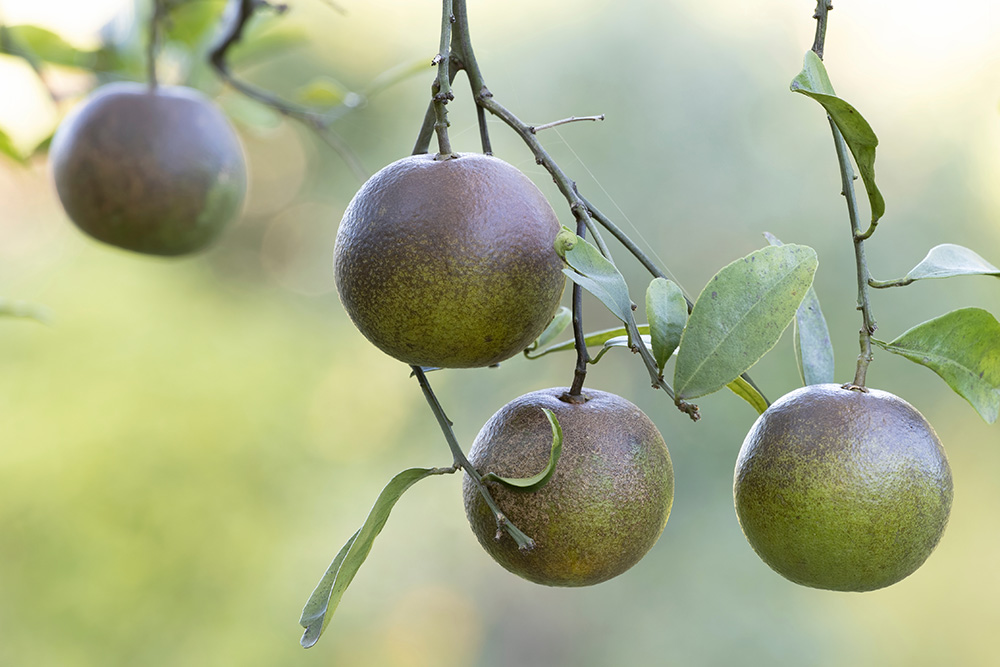
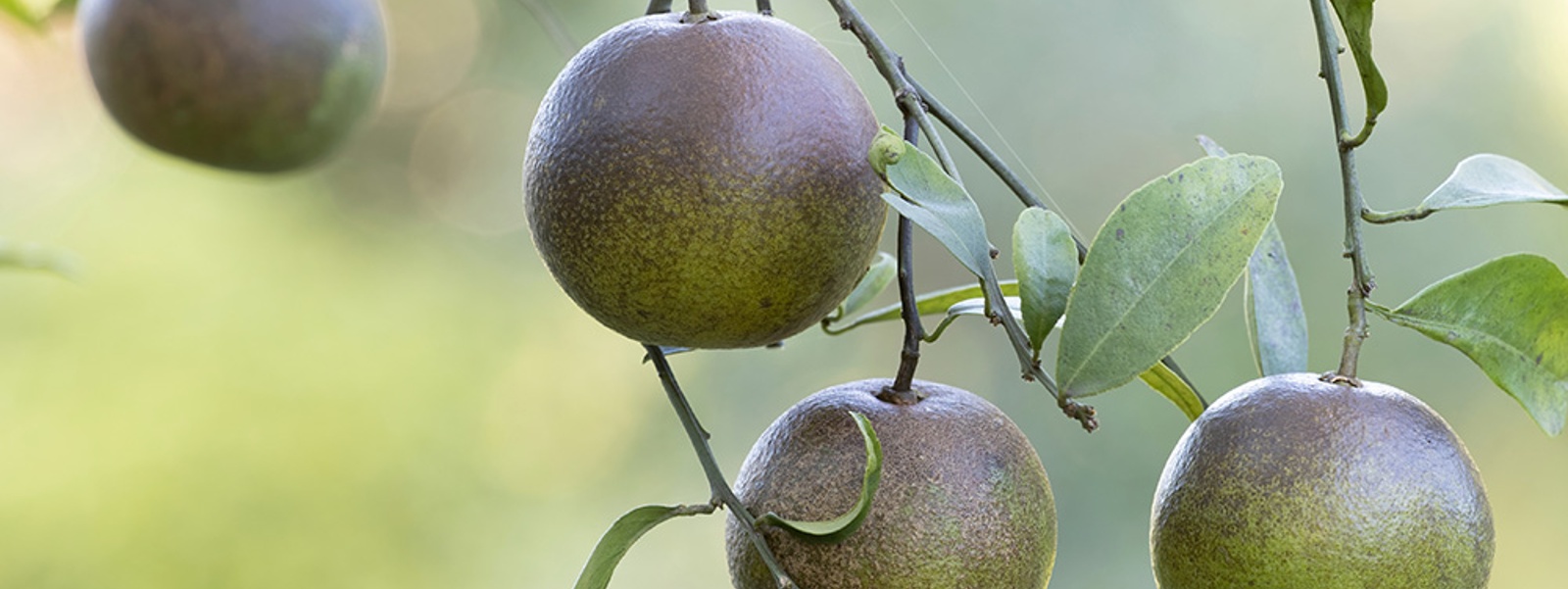
Coastal mites can damage 60% to 80% of the fruit—almost unheard of with any citrus pest. Damage can occur very rapidly. Without active monitoring by an entomologist or pest expert, a severe mite infestation can destroy an entire crop in four to six weeks.
When left uncontrolled, mites can cover the entire fruit and cause primarily cosmetic damage by scarring the rind. As with thrips, mites attack the fruit when it is very small and tender.
Rust and silver mites are the same species, but on grapefruit and oranges, they’re called rust mites because the scars leave a rusty color. In lemons, they are silver mites because they leave a silvery color on the fruit.
There is also the broad mite, which is mainly a lemon pest. It does similar damage as the silver mite, except it generally damages the bottom of the fruit where the sun hits it.
There are four to five conventional products available for treating these mites. The products provide about 60 days of control—long enough to protect the fruit and allow it to size out of the susceptibility stage.
There are also effective materials for managing mites in organic citrus. Sulfur is one of the best because it provides long-lasting control through vapor activity, with fumes permeating canopies, knocking mites back. Oil is an effective alternative. Sulfur and oil are valuable tools for conventional growers to include in their rotational programs as well, to reduce resistance pressure on miticides.
In this edition…
• Expected almond crop yield slightly smaller this year
• Cyclospora fallout hits California farmers
• Memory loss on the farm is more than a health issue
• State regulator: 'We should fight to keep our farms'
• California startup advances in Ag Innovation Challenge
• Almond hulls being tested for use as food ingredient
• Wolf reports show continued livestock losses, more packs
• Nonprofit program aims to bring more rice to delta
• Mothballing offers middle ground in wine downturn
• Dial 811 first to protect your land, workers and neighbors
• Could coastal citrus mites destroy your crop in weeks?
• Zinc, boron, manganese and their role in nut production
• More funds devoted to stop sharpshooter
• Advocacy in Action: Labor, fire equipment, climate funds, Gualala River, endangered species, dairy order, lily bulbs
• Meeting to address risk in uncertain times





.svg.png)
