


Mothballing offers middle ground in wine downturn
Photo/Licensed image


Oversupply of grapes, declining consumer demand and rising production costs are forcing California winegrape growers to make choices about whether to keep farming or tear out their vines.
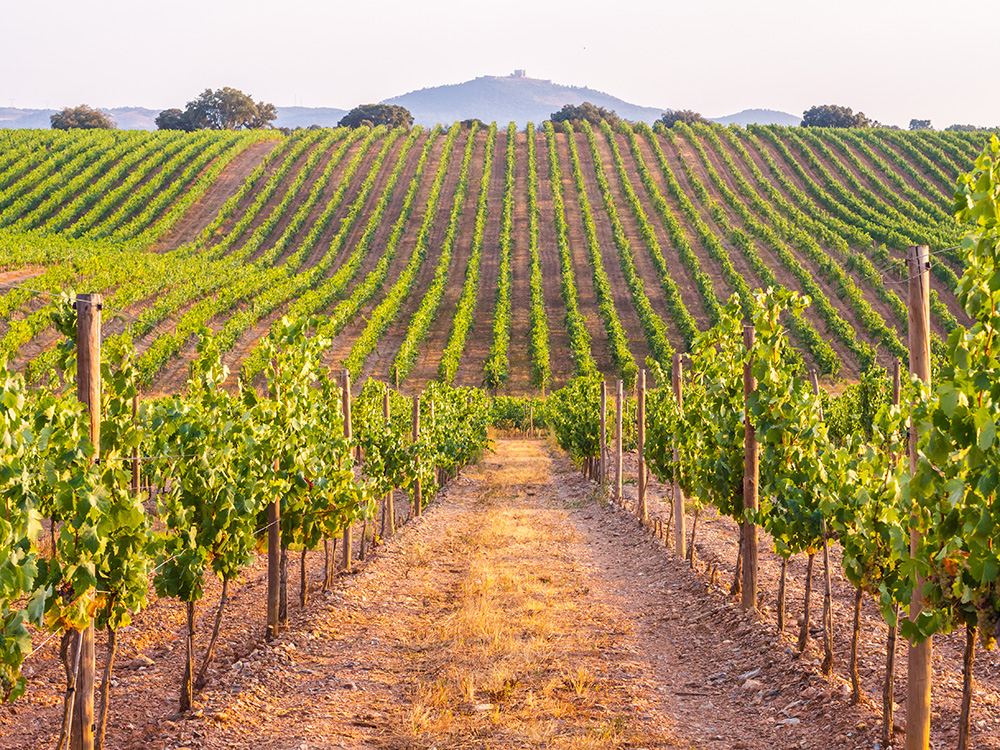
Some are trying a third option: “mothballing,” a term borrowed from storing equipment or other assets out of service while preserving them for future use. In vineyards, it means temporarily halting production while maintaining vines with minimal labor and inputs so they can be returned to full production when market conditions improve.
The practice remains relatively rare, but interest is growing. Christopher Chen, a University of California Cooperative Extension viticulture adviser for Mendocino, Sonoma and Lake counties, estimates mothballing can now be seen in roughly one in 20 vineyards in his region, up from virtually none three years ago.
“We have an economic downturn in the winegrape market, and it is considerably worse or more intense compared to the historical ones within the memory of professionals active in viticulture right now,” Chen said.
Chen is studying the practice to fill a major information gap. In 2025, he launched a multiyear study at four cabernet sauvignon and chardonnay vineyards in Sonoma and Mendocino counties, examining how different levels of reduced irrigation and maintenance affect vines, pests and the eventual return to production.
“I have not seen any good information on mothballing as a practice,” said Chase Thornhill, owner and general manager of Mendocino Wine Company in Ukiah. “I don’t know that there’s any information in the viticulture books on what to do if you’re tight on cash and the industry has collapsed.”
Mothballing was used at scale in Australia during a severe downturn in the early 2000s, but little research followed, leaving growers without a clear playbook.
For Thornhill, the decision was simple economics. At the beginning of 2025, he knew he would not be able to sell some of his grapes. Continuing to farm them would mean losing money, while removing the vines could cost an estimated $30,000 to $60,000 per acre to replant.
“If you’re not covering the farming costs with what you’re going to produce and then sell, you’re losing money,” Thornhill said. “And who can afford to lose money, especially now?”
Instead, he irrigated the vineyard, sprayed for powdery mildew and rolled down cover crops to reduce fire risks and protect the soil. He has since returned those blocks to production and is waiting to evaluate this year’s harvest.
Chen’s study is examining several levels of mothballing, from managing only pests and diseases to continuing pruning and other practices needed to keep vines in shape. The most intensive approach involves continuing to farm the vines but eliminating practices aimed primarily at producing fruit attractive to buyers.
His early research suggests mothballing comes with trade-offs. In one vineyard, leafhoppers increased 44% in the first year when normal canopy management and pesticide applications were reduced.
On the other hand, Chen found no apparent increase in water stress from leaving vines unpruned and reducing canopy management. But berry development slowed. The vines produced more shoots, clusters and berries, but the berries were smaller and accumulated less sugar.
“If you plan to do this, you have to plan to not harvest,” Chen said. “You can’t try to harvest because the quality of the fruit is not going to be typically acceptable to most wineries.”
Experts stress that mothballing is not the same as abandoning a vineyard. Pest and disease management must continue, and growers should gradually reduce irrigation and other inputs rather than stopping them abruptly.
George Zhuang, a UCCE viticulture adviser in Fresno County, said neglecting pests and diseases could make a vineyard difficult or impossible to restore. Vine mealybug is one particular concern.
Chen recommends that growers develop a year-by-year plan for reducing inputs and eventually returning to full production. Growers also should avoid immediately returning to full irrigation and other inputs, which can cause excessive growth and create additional labor costs.
The economics also vary by operation. Mothballing may make more sense for smaller vineyards, while growers must consider whether keeping land in vines is more profitable than planting other crops.
Chen said more research is needed on the economics, soil health, fruit chemistry and wine quality of mothballed vineyards. His current study has received in-kind support from vineyard owners but no external funding.
For growers such as Thornhill, the biggest unanswered question is how quickly a mothballed vineyard can return to full production.
“If we don’t farm this year, does that mean that it’s going to take us three years to get back to full capacity, just as if we were planting a new vineyard?” Thornhill said. “Is it going to take two years? Just one? We just don’t know.”


In this edition…
• Expected almond crop yield slightly smaller this year
• Cyclospora fallout hits California farmers
• Memory loss on the farm is more than a health issue
• State regulator: 'We should fight to keep our farms'
• California startup advances in Ag Innovation Challenge
• Almond hulls being tested for use as food ingredient
• Wolf reports show continued livestock losses, more packs
• Nonprofit program aims to bring more rice to delta
• Mothballing offers middle ground in wine downturn
• Dial 811 first to protect your land, workers and neighbors
• Could coastal citrus mites destroy your crop in weeks?
• Zinc, boron, manganese and their role in nut production
• More funds devoted to stop sharpshooter
• Advocacy in Action: Labor, fire equipment, climate funds, Gualala River, endangered species, dairy order, lily bulbs
• Meeting to address risk in uncertain times





.svg.png)
