


Finding her second act: Former dancer builds new life with U-pick raspberry farm
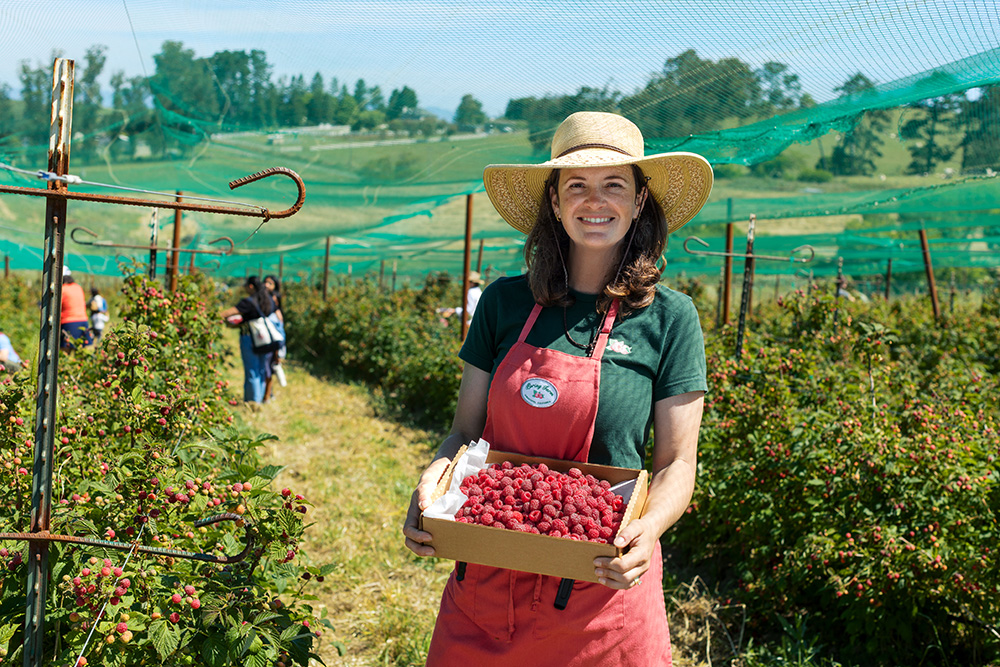
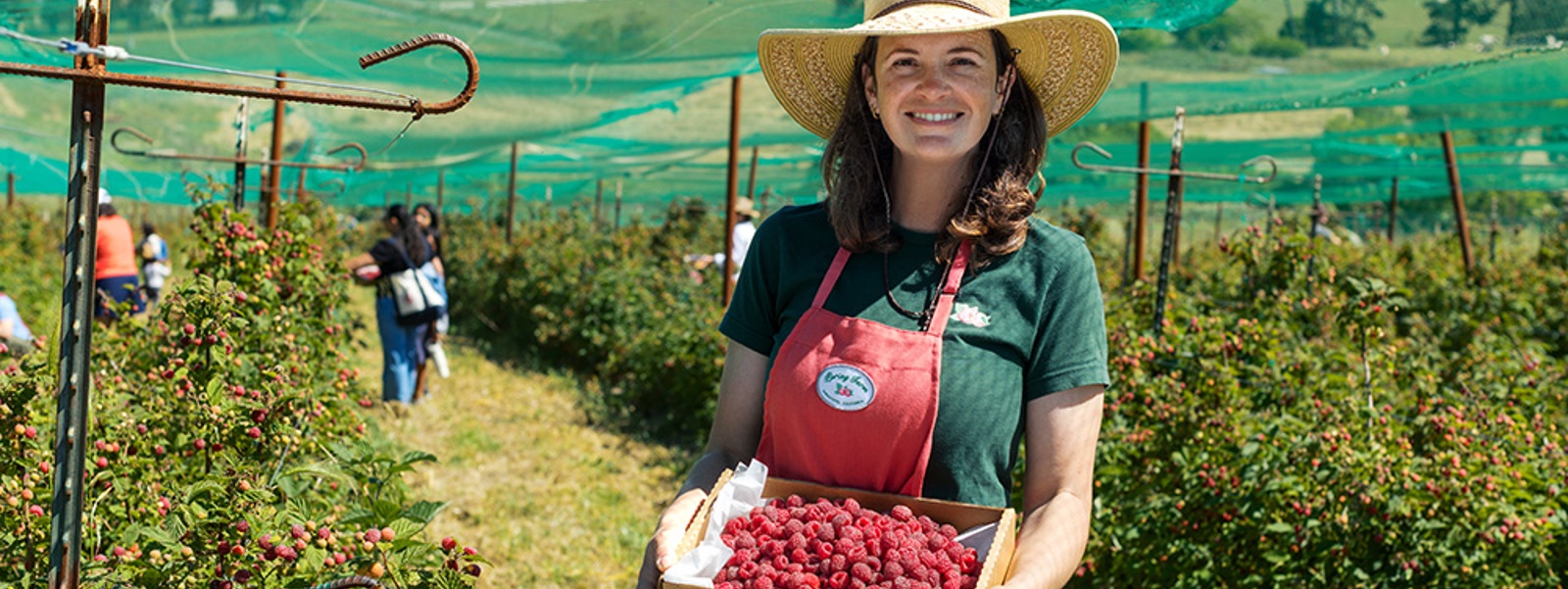
After injuries ended her ballet career, Rachel Boring moved to California. She bought a neglected plot of land in Sonoma County and turned it into a U-pick raspberry farm.
Photo/Paige Green


By Cyndee Fontana-Ott
 Rachel Boring grew up on a Georgia farm but never saw farming as her future. Instead, she spent years studying contemporary ballet and building a dance career.
Then an injury forced her to change direction.
She moved to the San Francisco Bay Area, joined an organic farm work program and signed up to pick blueberries on a farm in Sonoma County. Nearby—and for sale—was a historic 89-acre property south of Sebastopol that she described as “a diamond in the rough.”
Boring barely walked the grounds of the property before deciding to make an offer in 2017.
“It’s not like I had ever been there before, but it felt like mine,” she said. “It just felt right.”
Photo/Paige Green
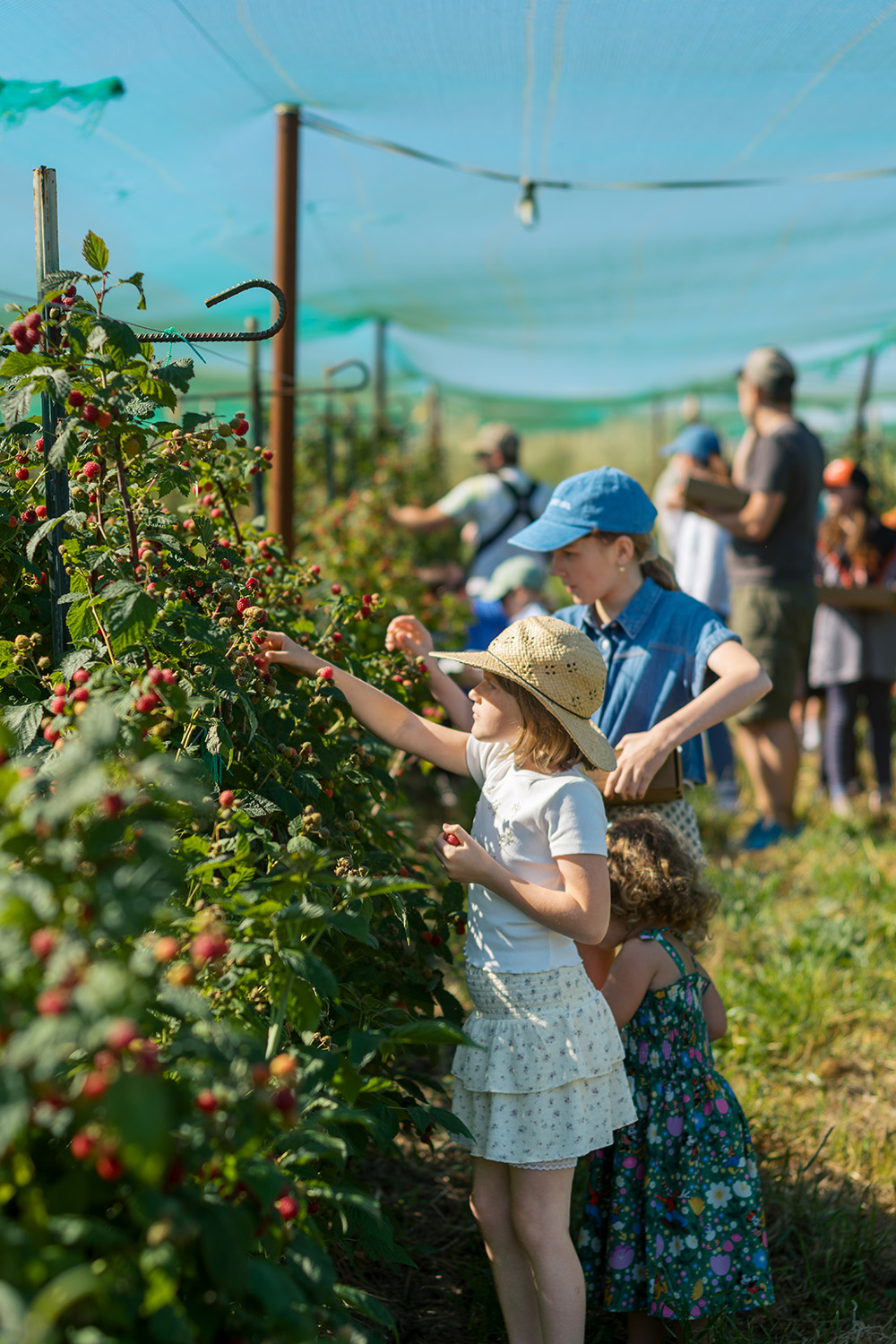
Today, that same plot of land keeps her on her toes as a thriving raspberry U-pick. On any given Saturday during production season, a steady stream of customers roams the 5-acre, certified organic farm to harvest their own berries.
This year’s opening day in early May was the biggest yet, with more than 300 pounds of berries leaving the farm. A few weeks later, Boring Farm posted a record U-pick, with more than 500 pounds of berries plucked, boxed and carried away.
Boring attributed the uptick to good weather, a bountiful crop and word of mouth as the farm becomes more established. Berries are so abundant this season that she is selling some of the fruit wholesale and connecting with grocery stores, restaurants and more.
Photo/Paige Green
It’s been an especially busy time for Boring, who got married earlier this month on the farm to a fellow California transplant. She and Julian Clymer met through Farm Bureau’s Young Farmers & Ranchers program. Clymer works in agricultural finance and holds a bachelor’s degree in horticulture and a master’s in business administration. He has traveled internationally as a winemaker and viticulturalist.
Farming may not seem to be a sea change for Boring, but her family’s operation northwest of Atlanta was different in scale and type. Most of the 1,200 acres were leased to a cattle rancher.
“I was always around farming but never hands-on involved,” she said.
After ending her dance career and settling in California, she sought out the Worldwide Opportunities on Organic Farms program, which links people to organic farmers.
Photo/Paige Green
She wasn’t necessarily looking to buy acreage, she said. She just wanted to explore agriculture, especially regenerative practices, and work on different farms to figure out the next step.
Turns out, the next step wasn’t much of a leap. A few weeks after working on the blueberry farm, she discovered what would ultimately become Boring Farm. The land had been used and then leased for dairy production for decades. It was worn and overgrazed, dotted with manure ponds that badly needed overhauling and repair.
Boring saw beauty beyond the scars, and within weeks of moving to Sonoma County, she was homesteading there as a one-woman crew, working the land and taking care of cows and pigs. She slowly worked to heal the property and a house built in the 1850s that was severed in two by the 1906 earthquake. She treasures the original key, twisted and green with age, discovered buried in the dirt while painting the house. It still opens the front door.
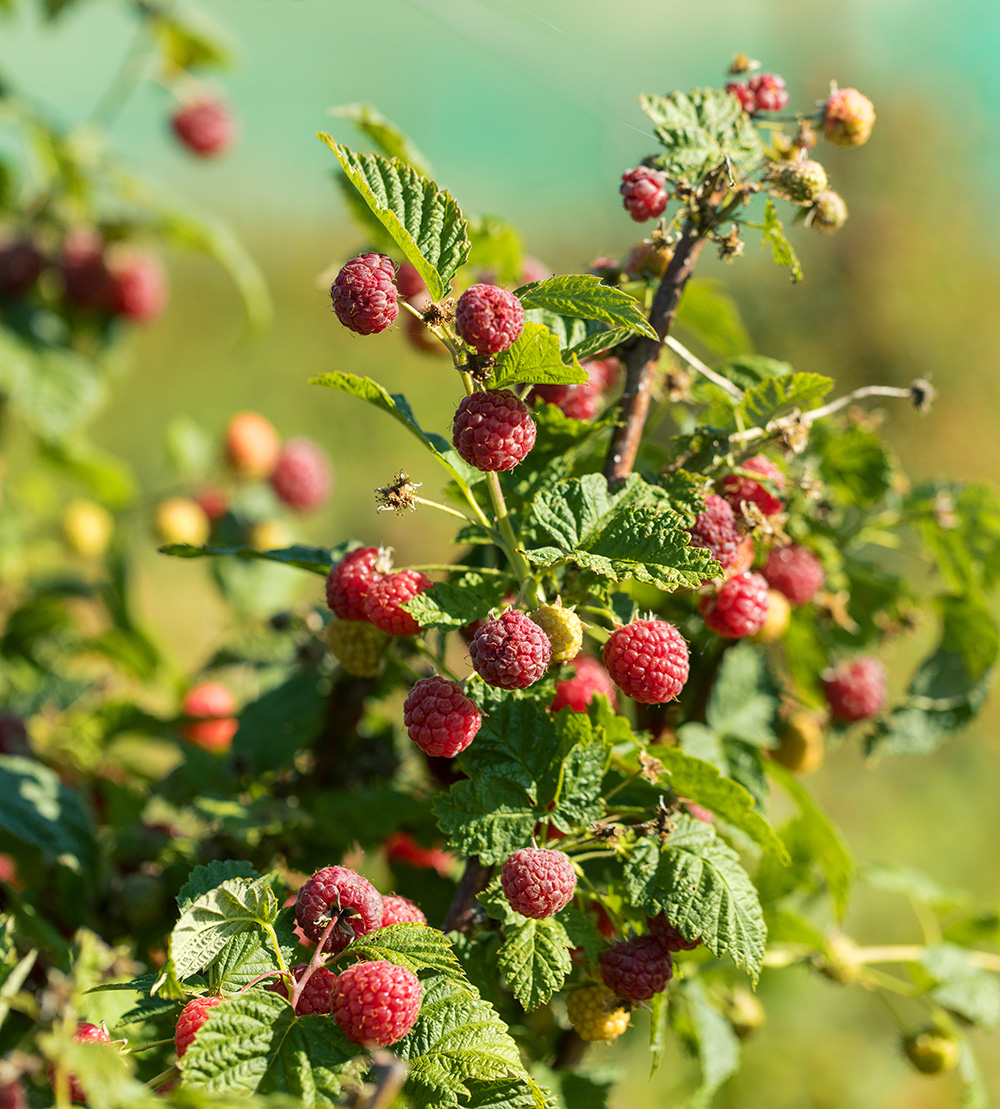
When she purchased the farm, Boring had no specific plans for crops. But she loves raspberries, and the climate and soil were willing. The first plants went into the ground in 2020, and the U-pick opened the following year. About 50 acres of the farm are leased to a neighbor for grain production. Dairy cows also graze some of the farm’s acreage.
The farm grows five red raspberry varieties that differ in sweetness, tartness, thorniness and ripening schedule. The plants and rows are roomier than those of typical commercial production to allow little fingers and amateur pickers to access the fruit comfortably. Protected from wildlife by fencing and netting, the rows are distinguished by pieces of fabric indicating the berry variety.
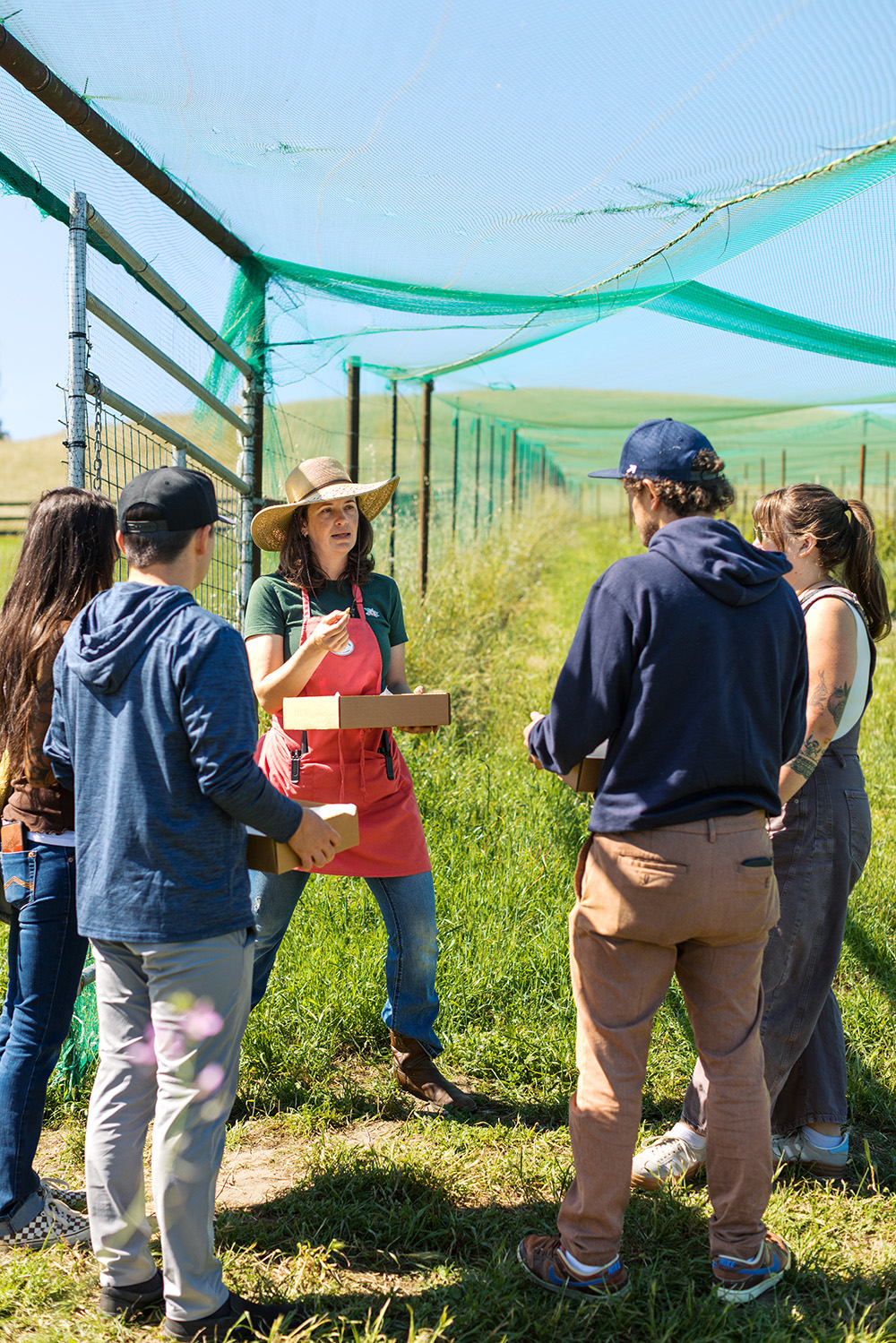
During raspberry season, which runs roughly from May to early October, the farm is open Saturdays from 9 a.m. to 1 p.m. Reservations and a parking pass, which serves as a ticket to the grounds, are required. Visitors may pick as many berries as they like, paying by the pound, and stay to enjoy the ponds, cows and chickens.
Boring welcomes the opportunity to build and celebrate experiences and connections on the farm. She and her husband share a love of agriculture and agricultural education, with Clymer helping and contributing additional expertise to the farm. The couple said they see the farm as a place to cultivate understanding and memories and the crop as more than boxes of raspberries.
“I think what Rachel does on a daily basis on Saturday mornings is agriculture education at its finest,” Clymer said. “I want to support her and us in those efforts however I can, whether that’s identifying bugs on the farm with kids or educating them that milk and raspberries don’t come from the back of a grocery store.”
Photo/Paige Green
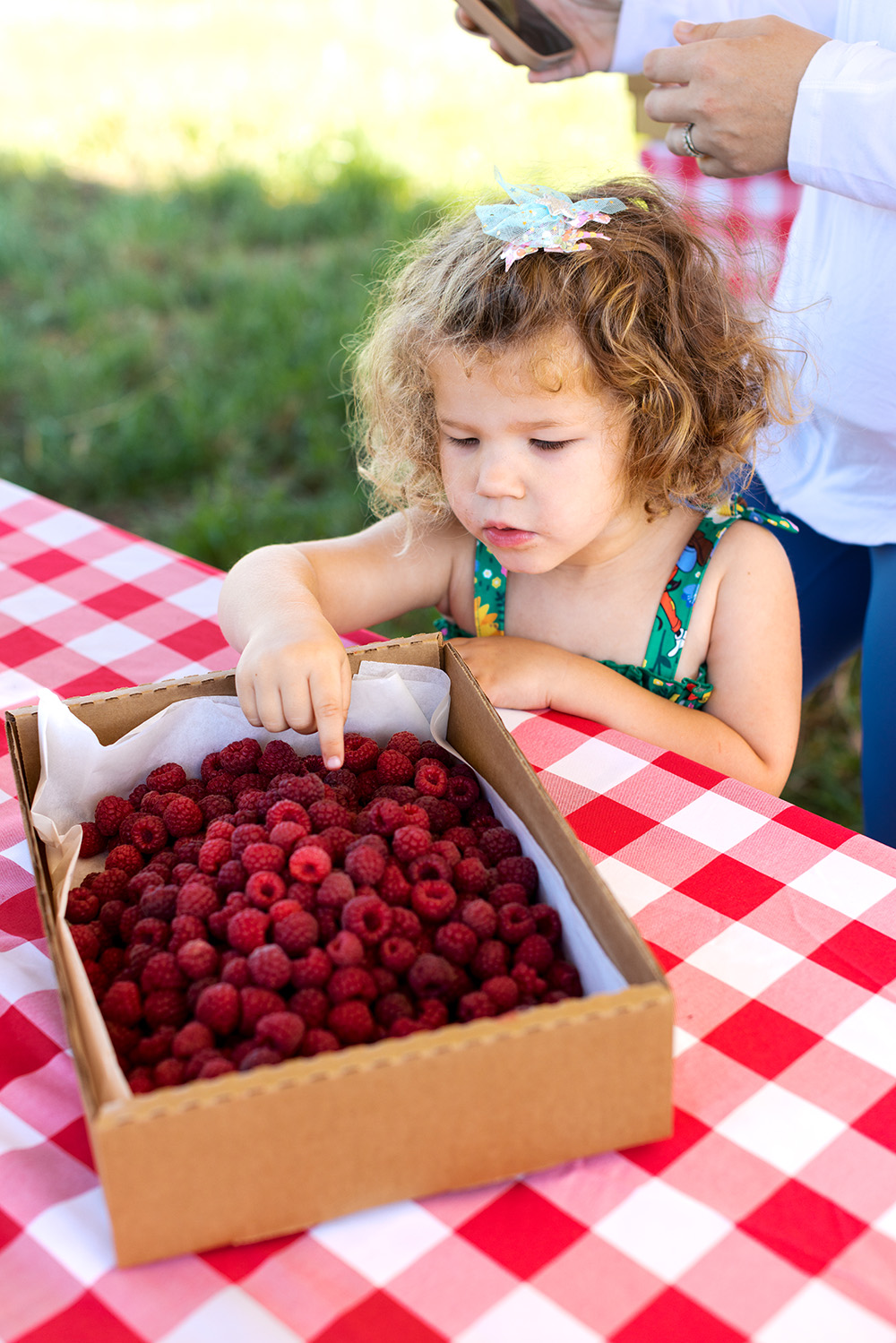
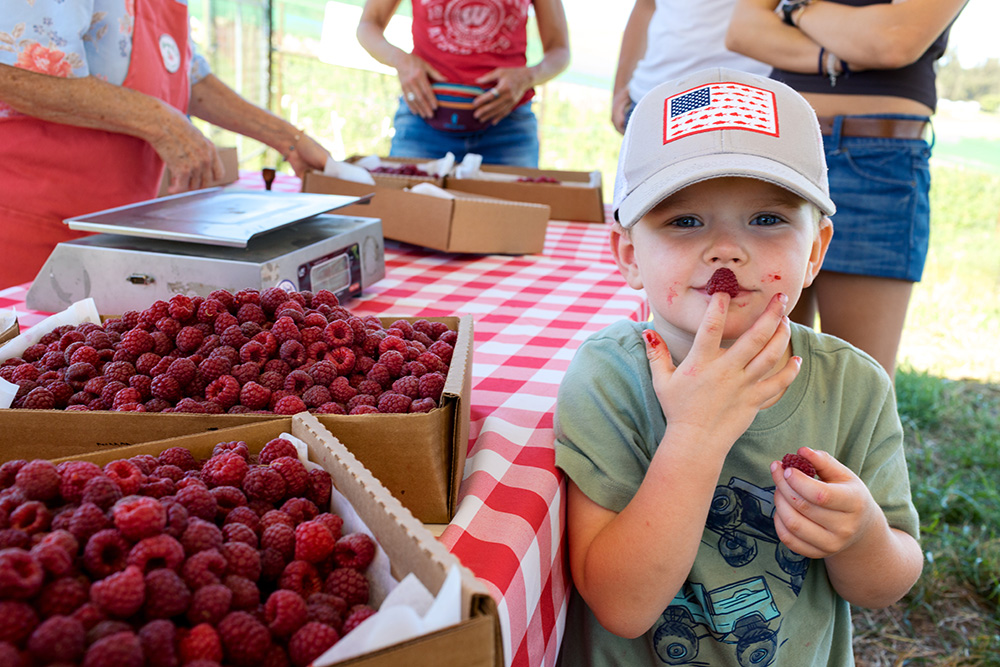
Boring said she looks forward to immediate feedback from U-pick visitors, especially the enthusiastic children whose faces may be red from eating the farm’s signature fruit.
“I just feel really honored and really fortunate that people want to come out here and spend a few hours,” she said. “Watching these kids get so excited over the fruit—I think that’s the simplicity that I’m really trying to encourage and celebrate.”
Cyndee Fontana-Ott is a freelance writer in Fresno. She can be reached at agalert@cfbf.com.
In this edition…
• Researchers study potential of agave crop
• Investigadores estudian el potencial del cultivo de agave
• California grazing sector threatened as goat herder wage soars to $240K
• California's pest prevention system needs an update
• Mechanical harvest research bolsters table olive prospects
• Overnight guests add key revenue stream for farms
• Advocacy in Action: Grazing, wild horses and the Endangered Species Act
• Smart sprayers slash farm labor and herbicide costs
• How will early blooms and light crop affect navel orangeworms?
• Finding her second act: Former dancer builds new life with U-pick raspberry farm
• Bountiful Finds: A curated collection of goods made by Farm Bureau members
• Now in season: You can grill just about anything
• The scenic route: Pit stops at California farms and ranches
• Grape expectations: Sweet flavor with healthy twist
• A life in motion: Avocado farmer helped revolutionize the modern skateboard
• Imagine this: Students tell stories about agriculture
• AI in agriculture: Balancing innovation and new risk
• Workforce training program seeks input from employers





.svg.png)
