


Are there orchard sanitation steps to skip to save money?
Photo/Licensed image


By Justin Nay
Integral Ag Services, Durham
Orchard sanitation is the best defense against navel orangeworm, or NOW, and Carpophilus beetles, and November is definitely the time to start.
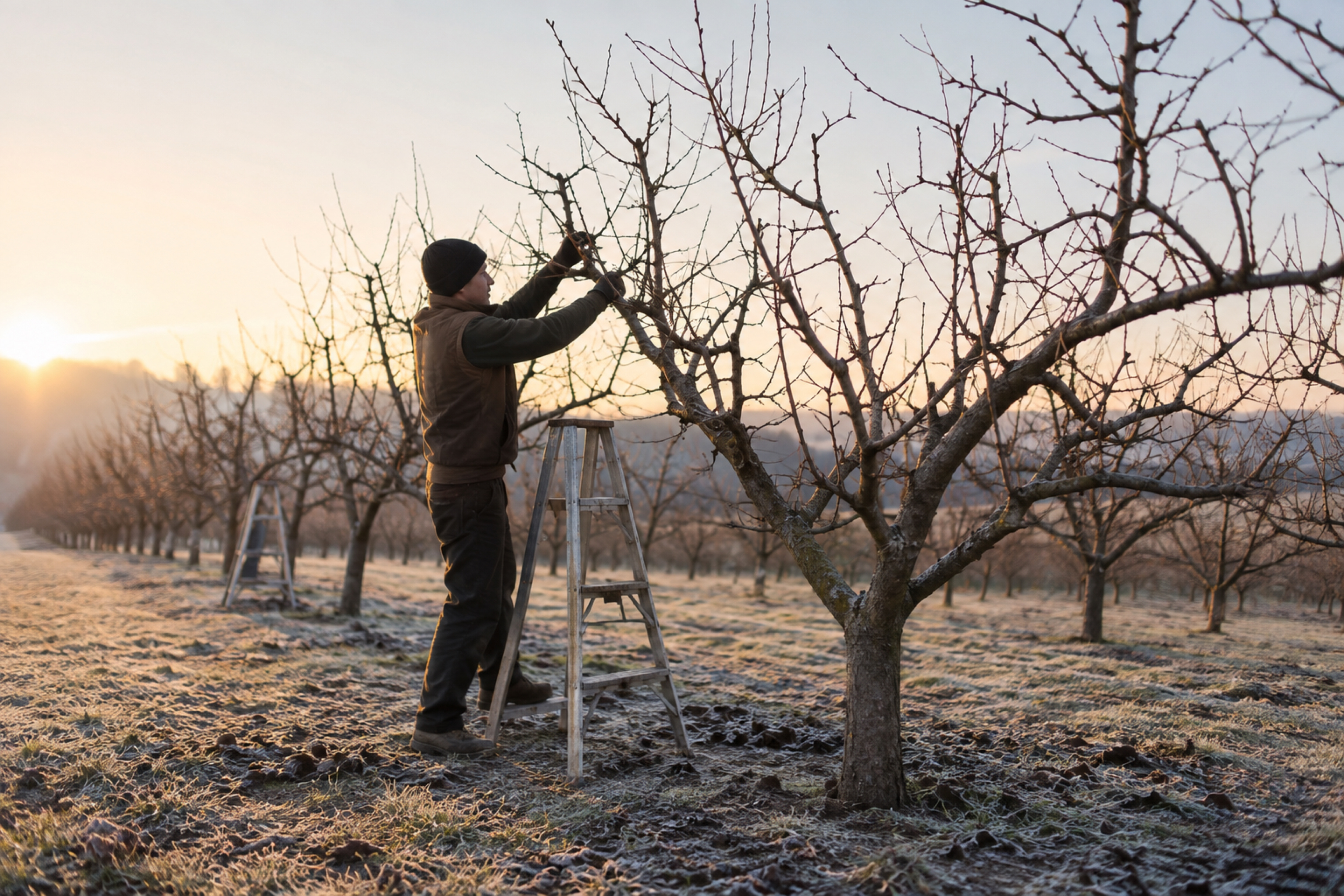
Sanitation means shaking, poling, sweeping, blowing and then shredding mummies by the middle of March.
With increased inputs, growers have looked for ways to streamline the process by reducing sanitation steps. For some, that could mean only shaking the trees. For others, it’s shaking and mowing but not sweeping. Effective sanitation means every step is necessary.
Don’t rely on harvest grade to determine the level of infestation. In October alone, it was still 100 degrees, and NOW was still flying and laying eggs on leftover nuts, also known as mummies. This means there will most likely be a fifth flight in Kern and Tulare counties, so harvest infestation does not equal the rate of infestation in the mummies.
While some growers prefer to wait for rain, waiting too long, especially in an El Niño year, is risky. If the ground becomes saturated, equipment won’t be able to get into the orchard.
Poling, in which long poles are used to manually strike branches and knock down mummies, is still recommended. But a lot of growers don’t do this because of cost and labor availability. If there are too many mummies per tree and they are very infested, they need to be manually knocked down.
Sanitation is necessary not just to control NOW but also Carpophilus beetles, which can do more damage than NOW. The beetles are harder to spray than NOW because the adults live longer and lay more eggs.
The middle part of the state continues to see more beetles, and they are spreading.
Sanitation is the most effective investment to maximize mortality of NOW and Carpophilus beetles while preserving pesticide efficacy against resistance. You cannot spray your way out of a NOW or Carpophilus beetle problem.
The bottom line: Sanitize, sanitize, sanitize—not just partial sanitation but the entire process.
In this edition…
• View full issue
• Adaptability fuels pomegranate potential
• Farmers seek new tools to ward off copper wire theft
• Building strong relationships strengthens agriculture
• Lima bean breeders explore regional differences in trial
• Automated irrigation systems can help reduce costs
• Rice commission CEO centers conservation efforts
• The FELS Hotline: Do not wait until you are in a jam
• Are there orchard sanitation steps to skip to save money?
• The mechanics of postharvest nutrition for orchards
• Why Nationwide understands farm business, coverage