


From the Fields: By Jim Rickert, Shasta County rancher and farmer
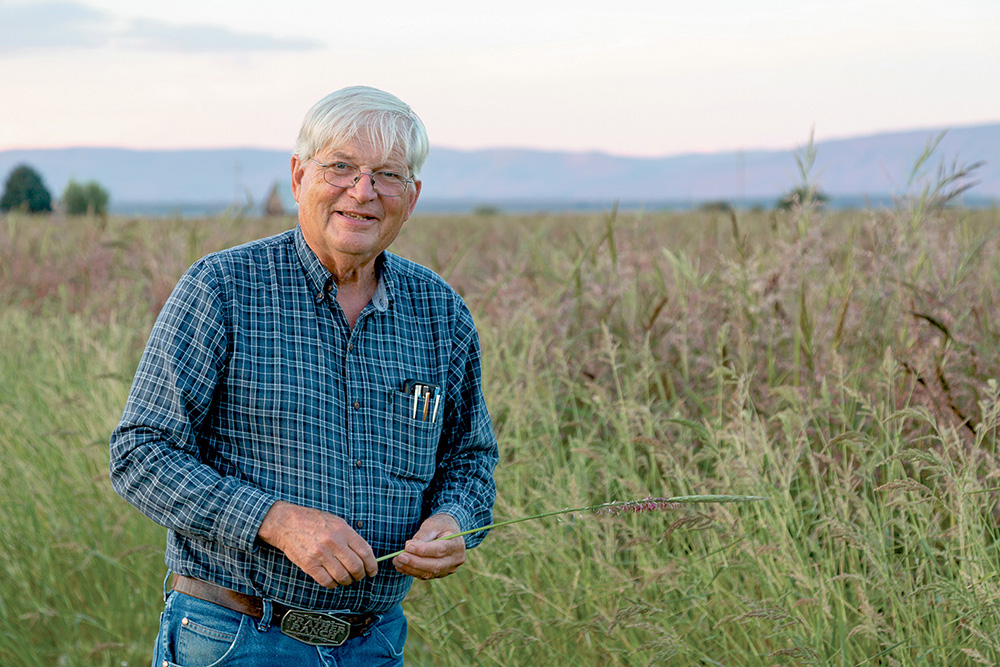
Photo/Frank Rebelo


By Jim Rickert
Shasta County rancher and farmer
We run both a spring-calving herd and a fall-calving herd. We also have our own USDA federally inspected slaughter facility on site, which allows us to continue providing beef directly to consumers. We have a strong customer base in the San Francisco Bay Area, and we also sell locally through retail outlets.
In addition to beef, we sell animal byproducts to biomedical companies. We established a closed herd about 30 years ago, and we’ve maintained it ever since.
We’re very close to the Whaleback wolf pack, so we’ve been at the epicenter of a lot of the wolf activity in Siskiyou County. In 2024, we lost 21 yearlings to confirmed wolf kills. In 2025, we’ve only had one confirmed kill. We don’t graze on public allotments. Our cattle are on deeded, irrigated pasture, so the wolves come down from the surrounding mountains onto our property. So far, we’re not aware of any livestock losses this year. The period we’re most concerned about begins around August, when we start calving.
We’re working with Colorado State University on a project that involves attaching small flickering lights to calf ear tags. Every calf already receives two ear tags at birth, and we’ll be adding these lights in hopes that they’ll serve as another deterrent.
Low hay prices have been difficult, especially as production costs continue to increase. We also grow a significant amount of wild rice in Fall River Valley, but we’ve had to significantly reduce production because demand has slowed considerably. Wild rice has a very long shelf life, up to about 40 years, but the market simply isn’t there right now. As a result, we fallowed about half of our wild rice acreage this year.
Input costs continue to rise across the board. Insurance has become a major expense for us, and I think many other ranchers and farmers are experiencing the same thing. Everything costs more, but we can’t simply double the price of our products for consumers.

In this edition…
• Mussels plague farms and water districts
• California awards $2 million to curb attacks by wolves
• To protect groundwater, policies need reality check
• Early crop boosts prospects for California pear growers
• From the Fields: Jim Durst, Yolo County farmer
• From the Fields: By Jim Rickert, Shasta County rancher and farmer
• From the Fields: Mark Hall, Kern County table grape grower
• From the Fields: Ian Garrone, Monterey County mushroom farmer
• Growers look to grafted watermelons to battle pests
• It's not too soon to prepare for screwworm response
• Advocacy in Action: New dairy order, grizzly bear reintroduction, H-2A reform and a Supreme Court victory
• Supplies of dairy heifers expected to recover in 2027





.svg.png)
