


Advocacy in Action: New dairy order, grizzly bear reintroduction, H-2A reform and a Supreme Court victory
Photo/Licensed image



New dairy order
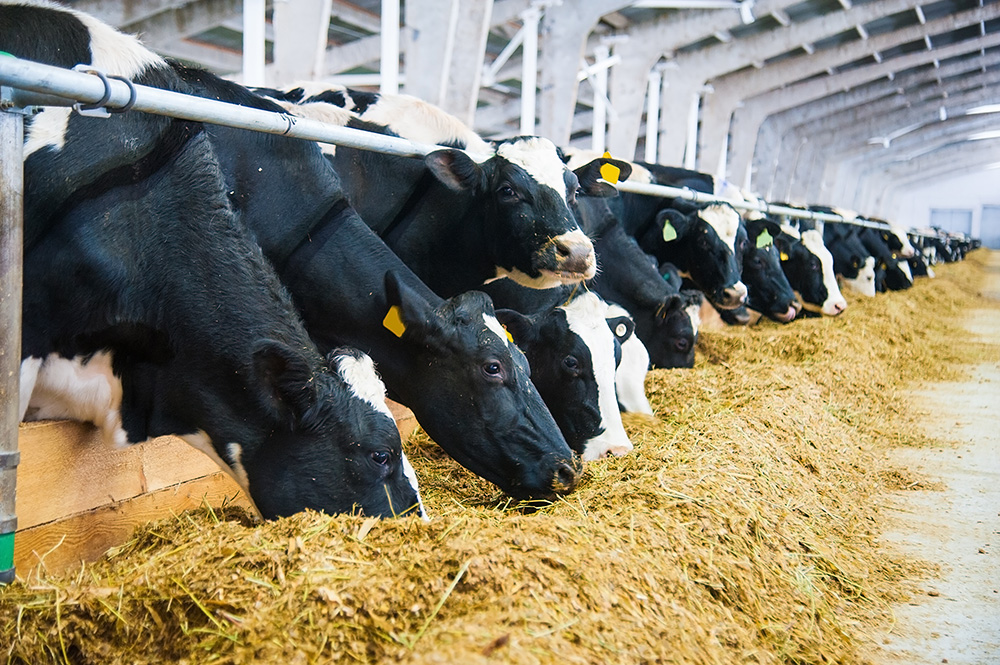
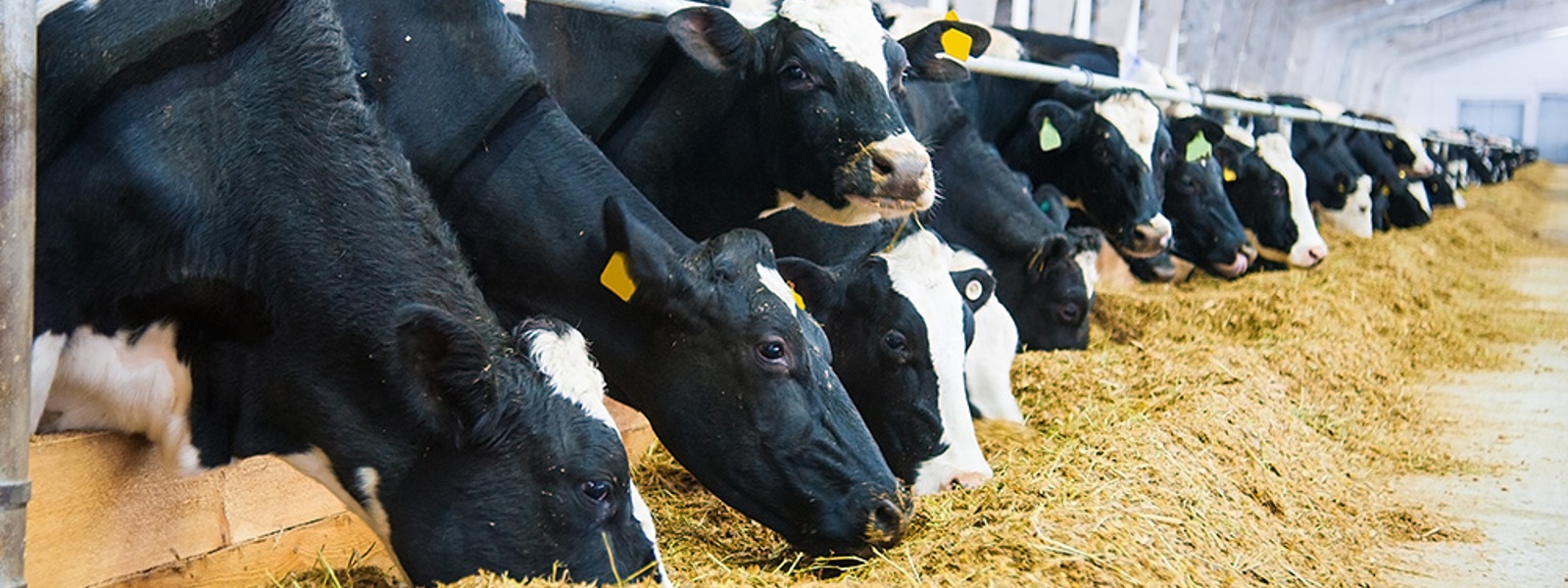
The California State Water Resources Control Board last month released a revised draft order that would significantly change how Central Valley dairies are regulated for groundwater impacts in California.
After a review of the 2013 dairy general waste discharge requirements, state regulators concluded that most groundwater nitrogen impacts come from manure applied to cropland rather than lagoons. Estimates show about 94% of nitrogen loading is from land application of manure compared to roughly 4% from lagoons and 2% from production areas. As a result, a revised dairy order has been drafted to update management practices, manure application rates and whole-farm nitrogen balance.
To support this shift, dairies would be required to submit additional operational data, including herd size, feed and milk production, fertilizer use, crop yields, manure applications and irrigation water. Regulators would use this information to calculate a whole-farm nitrogen balance to track nitrogen flow through each operation and potential groundwater impacts. One of the most significant concerns in the proposal involves the attempt to categorize existing dairies and new dairies. Farmers who consolidate dairies could be treated as a “new dairy,” potentially triggering stricter requirements and shorter compliance timelines.
The proposal also introduces new lagoon-related data requirements. Dairies would be required to estimate the depth of the lowest point of each existing manure retention pond and explain how that estimate was determined. This information would need to be submitted to the Central Valley Water Board within six months of notice. In addition, many dairies would be required to conduct seepage testing of lagoons every three years, with results certified by a licensed engineer or geologist. No dedicated funding is included to help offset compliance costs.
The new draft order shifts toward more intensive monitoring, reporting and groundwater risk evaluation across dairy operations. Written comments are due by noon on July 30. The state water board will meet on Sept. 15 to consider adopting the order.
Grizzly bear reintroduction
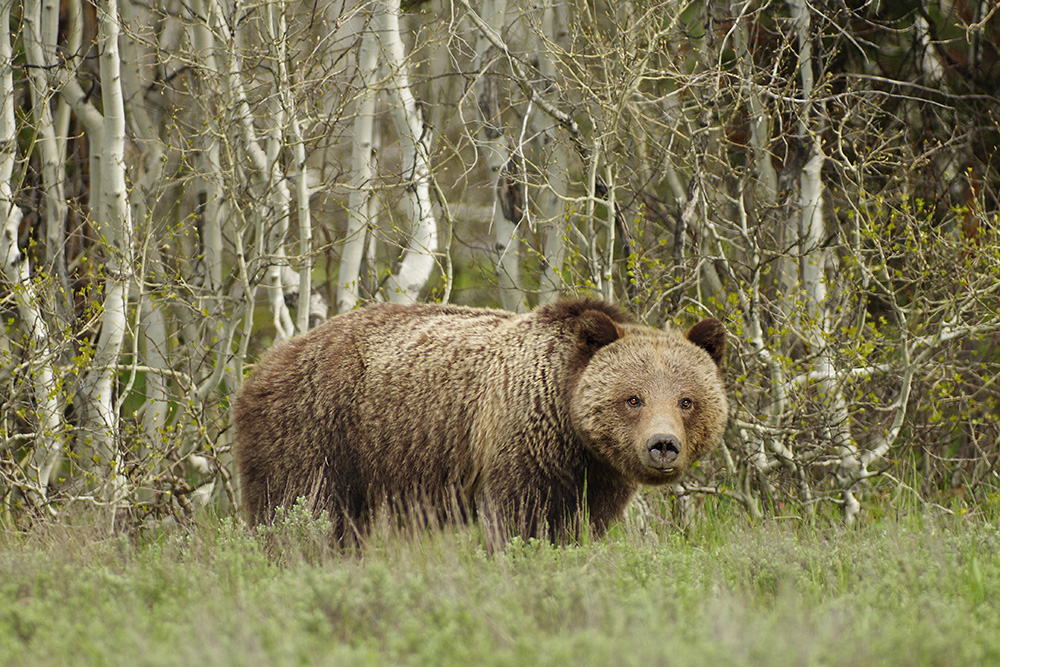 California Farm Bureau continues to oppose Senate Bill 1305, the California Grizzly Recovery Assessment Act, by state Sen. Laura Richardson, D-Inglewood. The bill passed the Assembly Water, Parks and Wildlife Committee last week and now heads to the Assembly Appropriations Committee, where it is expected to be heard in August.
The measure would require the California Department of Fish and Wildlife to develop a roadmap evaluating whether reintroducing grizzly bears to California would be feasible and advisable. During the committee hearing, Assemblymembers Juan Alanis, R-Modesto; Mark Gonzalez, R-Indio; and Heather Hadwick, R-Redding, raised concerns about the proposal, citing California’s ongoing struggles responding to conflicts with gray wolves and other apex predators, public safety concerns, and CDFW’s existing funding and staffing challenges.
Farm Bureau is working alongside the California Cattlemen’s Association, Rural County Representatives of California and California State Association of Counties to oppose the bill.
H-2A reform
California Farm Bureau joined nearly 300 agricultural organizations in supporting the introduction of the Securing Agriculture’s Workforce Act of 2026, bipartisan legislation to modernize and improve the H-2A agricultural guest worker program.
House Agriculture Committee Chairman GT Thompson, R-Pa., introduced H.R. 9535 last week.
The bill would make broad changes to the H-2A program by codifying recent reforms to the Adverse Effect Wage Rate, the minimum hourly wage that agricultural employers must pay H-2A guest workers and domestic workers in corresponding employment.
The measure also expands H-2A eligibility to year-round agricultural operations such as dairy farms and creates a process for experienced agricultural workers already in the United States to earn legal status while continuing to work in agriculture.
The legislation includes several provisions intended to streamline the H-2A program and reduce costs for agricultural employers.
Thompson unveiled the bill during a press conference alongside lawmakers and American Farm Bureau Federation President Zippy Duvall. The legislation was introduced with bipartisan support, including from four Democratic cosponsors.
Court victory
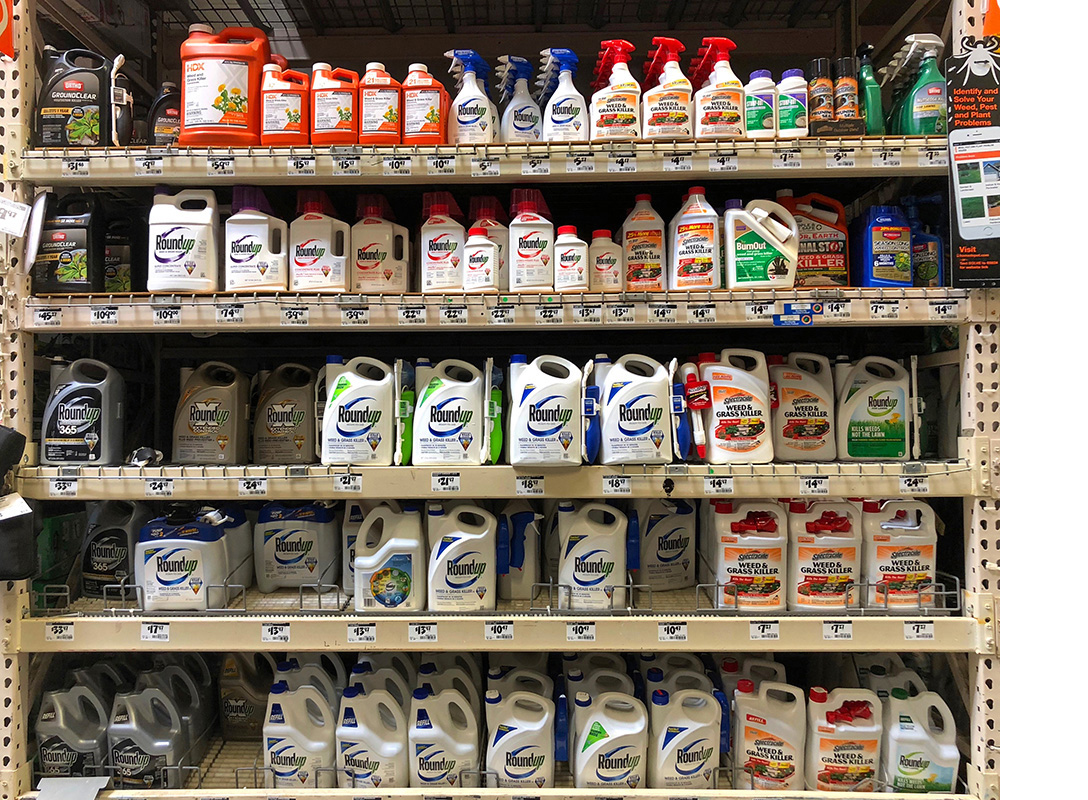 The U.S. Supreme Court issued its opinion last month in Monsanto Co. v. John L. Durnell. California Farm Bureau, along with 12 other state Farm Bureaus, submitted in March an amicus brief in the case, telling the court that the Federal Insecticide, Fungicide, and Rodenticide Act prevents states from imposing additional or different labeling requirements on pesticides.
In its decision, the nation’s highest court agreed with Farm Bureau’s position and disagreed with the decision by the Missouri Court of Appeals. The Supreme Court’s opinion affirms that federal law regulating the sale and labeling of pesticide products bars failure-to-warn lawsuits in state courts.

In this edition…
• Mussels plague farms and water districts
• California awards $2 million to curb attacks by wolves
• To protect groundwater, policies need reality check
• Early crop boosts prospects for California pear growers
• From the Fields: Jim Durst, Yolo County farmer
• From the Fields: By Jim Rickert, Shasta County rancher and farmer
• From the Fields: Mark Hall, Kern County table grape grower
• From the Fields: Ian Garrone, Monterey County mushroom farmer
• Growers look to grafted watermelons to battle pests
• It's not too soon to prepare for screwworm response
• Advocacy in Action: New dairy order, grizzly bear reintroduction, H-2A reform and a Supreme Court victory
• Supplies of dairy heifers expected to recover in 2027





.svg.png)
