


Advocacy in Action: Packaging requirements, labor, beef cattle, trade, compost, Roadless Rule and disaster relief



Packaging requirements
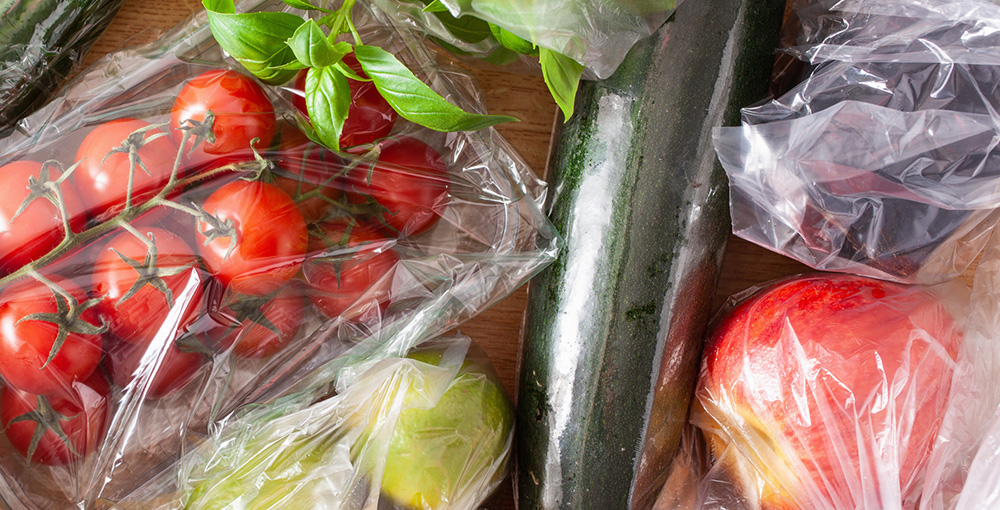
California Farm Bureau has developed resources to help agricultural businesses better understand Senate Bill 54, the state’s packaging producer responsibility law.
SB Bill 54 by Ben Allen, D-El Segundo, establishes new requirements for businesses that produce and market certain packaging and single-use materials. But the law does not apply to every agricultural business or packaging material in the same way. Depending on how and where agricultural products are packaged, some growers and businesses may qualify for exclusions, exemptions or other considerations under the law.
Use Farm Bureau’s producer guide at cfbf.com/SB54 to determine whether an agricultural business may be considered a producer and navigate important compliance requirements. The guide also includes helpful tools, important deadlines and other resources.
Labor
A U.S. district court in California last week effectively ruled against the U.S. Department of Labor’s interim final rule from late 2025 on changes to the Adverse Effect Wage Rate, or AEWR.
The interim rule effectively reduced the AEWR across much of the U.S. In California, it lowered the rate from 2025’s $19.97 per hour base rate to the state’s minimum wage of $16.90 per hour.
The United Farm Workers sued the department over the rule and has claimed an initial major victory to halt the rule. The court found the rule unlawful on multiple grounds and sent it back to the Labor Department to quickly address several legal questions.
Depending on the court’s final determination, it is possible that employers might be on the hook for backpay. This could prove exceedingly costly to agricultural employers nationwide given the substantial reduction in AEWR costs for many. It remains to be seen whether the case will be appealed, but California Farm Bureau will continue to update members as the rule develops.
Meanwhile, Assembly Bill 2646 by Assemblywoman Maggy Krell, D-Sacramento, passed the California Senate last week on a party-line 30-8 vote.
The bill would establish a $19.75 per hour state minimum wage for certain agricultural employees, including nonresident farmworkers permitted to work temporarily or seasonally in California through the applicable state approval process.
It also would apply to California residents and other “corresponding” employees performing the same or substantially similar work. The bill would apply the $19.75 minimum wage beginning Jan. 1, with annual increases thereafter tied to the Social Security cost-of-living adjustment.
AB 2646 now heads to Gov. Gavin Newsom for his consideration and signature or veto. If enacted, the measure would establish a wage floor above California’s current statewide minimum wage of $16.90 per hour and create additional wage requirements for agricultural employers with qualifying workers.
Beef cattle
The U.S. Department of Agriculture last week reopened the southern border to cattle imports from Mexico. The move came after USDA announced earlier last month its intentions to lift the pause that has been in effect for more than a year and a half due to New World screwworm.
While the battle against the parasitic fly continues, the department said it believes rigorous inspection and treatment protocols combined with ongoing mitigation and eradication efforts will limit new risks into the U.S.
There have been three confirmed cases of the pest in the U.S.—all in Texas—since the beginning of August. However, there are nearly 200 confirmed cases in Chihuahua, Mexico, and five confirmed and active cases in Sonora, Mexico, which shares nearly its entire border with Arizona.
There were only a handful of cases in both Mexican states at the time of USDA’s original announcement, but it appears the elevated case numbers have not dissuaded the department from halting the phased reopening. For now, a major access port in Douglas, Arizona, serves as the primary entry point into the West.
Meanwhile, the Trump administration appears to be moving forward with a plan to waive tariffs on up to 300,000 metric tons of imported ground beef during a 90-day period in an attempt to alleviate elevated consumer prices.
While details are sparse, including where the planned imports would be from, pushback from many agricultural groups, including the American Farm Bureau Federation, was swift.
“The timing of this proclamation is a gut punch to ranchers’ bottom line,” AFBF President Zippy Duvall said. “The claim of ensuring these added imports do not ‘disrupt the orderly marketing of commodities in the U.S.’ falls flat when ranchers are now selling their cattle into a market in sharp decline.”
AFBF also issued a news release last week on the topic.
Cattle has been one of the few agricultural commodities that has done well in recent years, and an influx of imported ground beef could threaten that success.
Trade
After a deadline for a potential new trade deal between the U.S. and Canada fell apart—reportedly over last-minute demands from the White House that Canadian officials deemed too steep—both countries have geared up for reciprocal tariffs that cut across several sectors and industries, including agriculture.
The Trump administration officially enacted a 50% tariff targeting about $20 billion worth of Canadian goods, including alcoholic beverages, dairy, paper and wood products. Those tariffs took effect Aug. 22.
Canada’s dollar-for-dollar retaliatory counter tariffs are scheduled to take effect Sept. 8, with duties placed on $20 billion worth of U.S. goods ranging from dairy products to agricultural equipment.
Initial U.S. measures enacted in 2025 began with a 25% tariff on most Canadian imports and a 10% tariff on Canadian energy products.
Canada has been a top destination for California dairy goods for years. It remains unclear whether Canada will delay the expected retaliatory tariffs.
Negotiations for the U.S.-Mexico-Canada trade agreement are technically still ongoing, but the latest dispute is primarily over new tariffs unveiled by the Trump administration last month following a series of trade hearings held by the Office of the U.S. Trade Representative.
Comments from both sides have been particularly acrimonious since the deadline passed, suggesting this dispute could lead to the proposed tariffs going into effect this month.
Compost
CalRecycle and the California Department of Food and Agriculture are developing a statewide agricultural compost strategy to advance the use of compost in agricultural production.
As part of this effort, the state seeks input via a survey from farmers and ranchers about their experiences, perspectives and needs related to compost.
Producers do not need to use or produce compost to participate. The survey is open to all farmers and ranchers and will help inform the development of the statewide strategy. Responses are anonymous and will be aggregated with other responses.
Take the survey at https://survey.alchemer.com/s3/8943720/farmer-survey.
The survey will remain open through Oct. 1. Producer feedback will help ensure the perspectives and needs of California’s agricultural community are represented as the state develops its compost strategy this fall.
Roadless Rule
The U.S. Forest Service has proposed rescinding the 2001 Roadless Area Conservation Rule and released a draft environmental impact statement for public comment.
The Roadless Rule restricts road construction, reconstruction and timber harvest on nearly 45 million acres of Forest Service land nationwide and has been the subject of extensive litigation.
Under the proposal, decisions affecting roadless areas would return to forest-level management planning. More than 95% of inventoried roadless areas are located across 10 Western states, including California. In California, some 4.4 million acres of the state’s more than 20 million acres of national forestland appear to be affected.
The draft environmental impact statement considers three alternatives: taking no action by maintaining the existing Roadless Rule; rescinding the Roadless Rule; or modifying boundaries by removing Roadless Rule restrictions in roaded areas and the wildland-urban interface while maintaining the 2001 rule for inventoried roadless areas outside those areas.
Public comments are due Sept. 21. California Farm Bureau welcomes feedback from members as it reviews the proposal.
Disaster relief
The new deadline to apply for the Supplemental Disaster Relief Program, which covers eligible losses for 2023 and 2024, is Sept. 30.
In addition to extending the deadline, the U.S. Department of Agriculture said farmers can now use a quality loss percentage for crops having a final use that is different from their original intended use.
The relief program has gone through a lengthy rollout process, and farmers can learn more about their options by visiting www.fsa.usda.gov.


In this edition…
• Regenerative label payoff remains murky
• Paintballs among new tools allowed for hazing wolves
• Influence starts with engaged Farm Bureau members
• USDA seeks to ease organic certification process, costs
• From the Fields: Chris Jergenson, Merced and Stanislaus counties organic farmer
• From the Fields: Ben Lyons, Solano County farmer
• From the Fields: Domenic Carinalli, Sonoma County organic dairy farmer and conventional winegrape grower
• From the Fields: Katie Herzog, Monterey County agave grower
• New 'smart' farm tech targets vegetable production
• Growth in organic milk presents market challenges
• Advocacy in Action: Packaging requirements, labor, beef cattle, trade, compost, Roadless Rule and disaster relief
• How you can make the switch to regenerative farming
• Summit seeks to strengthen agritourism
• Leopold award finalists for 2026 selected





.svg.png)
