


Lessons learned from being a dot on bankruptcy map
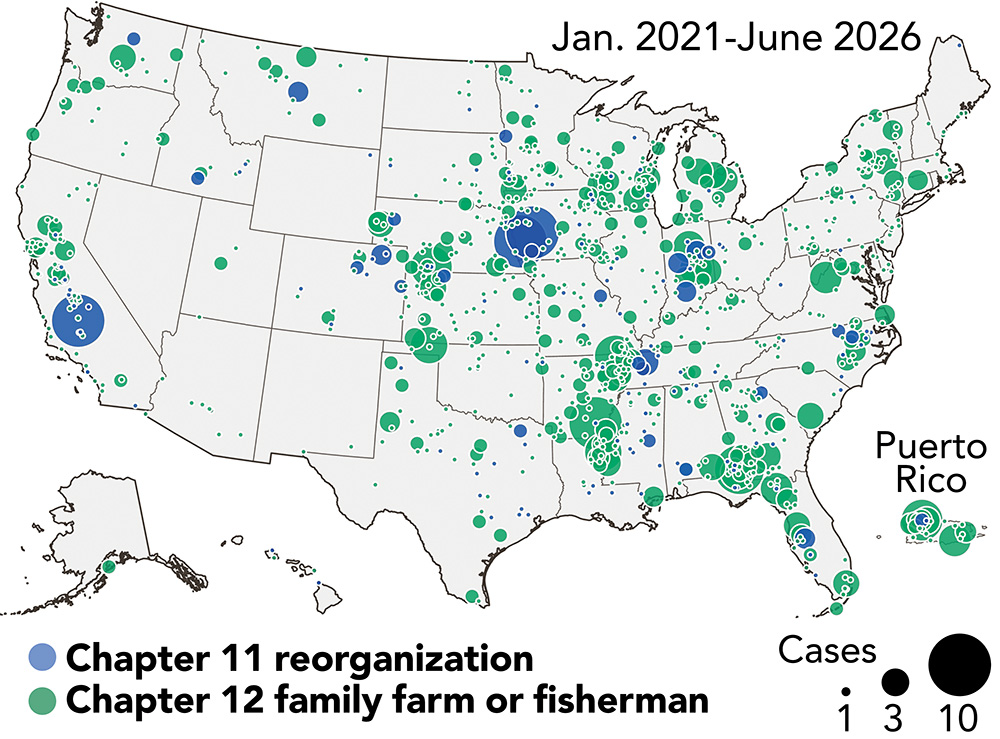
California had 22 Chapter 11 and 73 Chapter 12 cases, the highest bankruptcy case total in the nation from January 2021 to June 2026.
Graphic/The National Agricultural Law Center


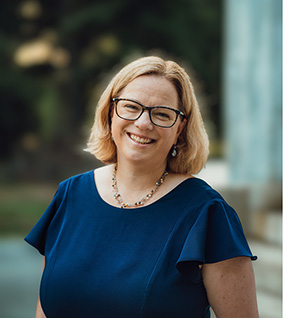
By Jenny Lester Moffitt
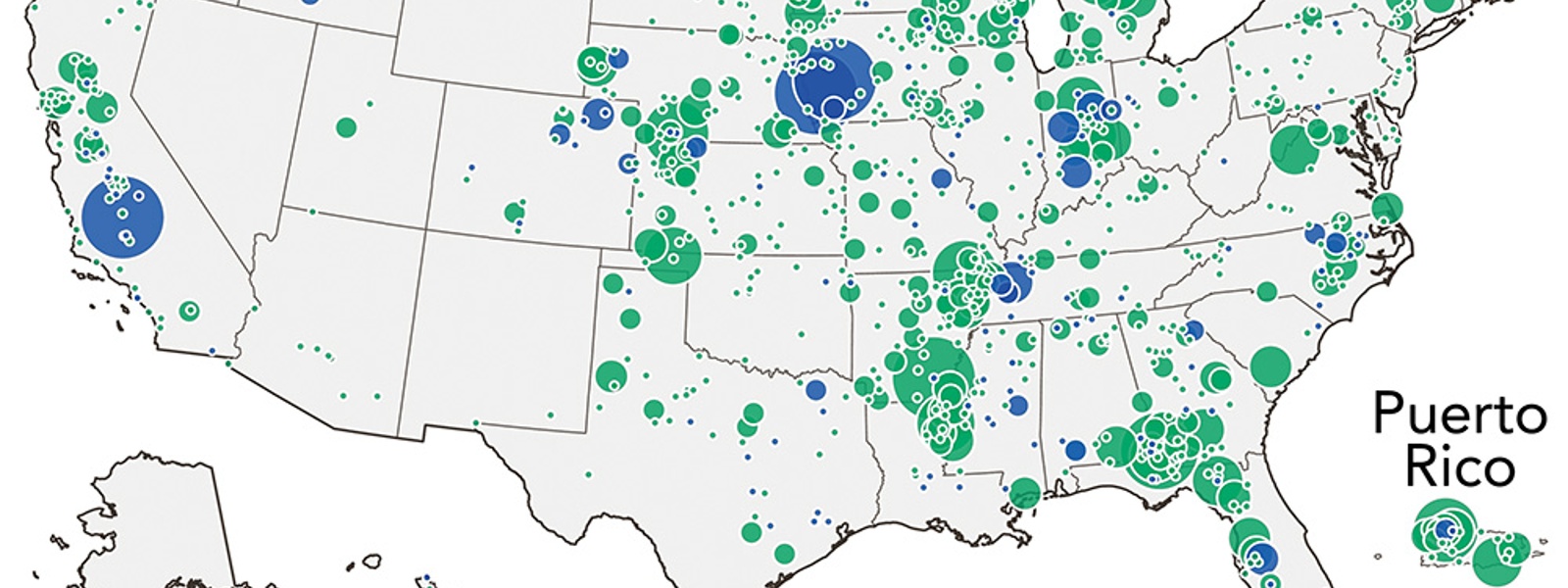
This past August, the National Association of State Departments of Agriculture and the National Agricultural Law Center launched Data on Economic and Bankruptcy Trends in Agriculture, or DEBT, mapping both Chapter 11 and Chapter 12 agricultural bankruptcies to provide a more comprehensive picture of farm financial distress.
There are 1,401 dots on that map representing bankruptcies filed since 2021.
My family’s farm is one of them.
My family has farmed in California since 1883, first in the Santa Clara Valley and later in Winters. My dad was a fourth-generation farmer. I am the fifth.
For nearly 50 years, our family farm grew walnuts while caring for the land. For 35 years, we operated one of the nation’s largest organic walnut processing operations, at one point employing 38 people and purchasing walnuts from more than 60 other growers.
Our home ranch was the heart of it all.
It was where I grew up, where I worked alongside my dad for 10 years, and where I learned the importance of both economic and environmental sustainability. It was where my dad constantly experimented with ways to farm better—from organic pest management and healthy soils to biochar, water recycling and renewable energy. And it was a place where farmers, researchers, policymakers and students came to see what we were doing and learn alongside us.
It was a thriving farm and a living laboratory.
And yet it still failed.
Years of financial and marketing challenges, a devastating fire and a trade war that depressed the walnut market pushed the farm into serious financial distress. In 2020, my dad faced a decision no farmer wants to make.
Liquidating would have been simpler. Instead, he chose bankruptcy.
He chose restructuring, court hearings, land sales and years of uncertainty because bankruptcy offered something liquidation did not: a chance to keep farming, producing food, employing people and caring for the land.
He fought to save the farm until he could fight no longer.
My dad died in September 2025. Over the past year, facing foreclosure, I’ve had the difficult responsibility of winding down what remained. We sold the home ranch. We auctioned equipment, and we said goodbye to cherished employees who worked with our family for decades.
Those are the visible losses when a farm fails.
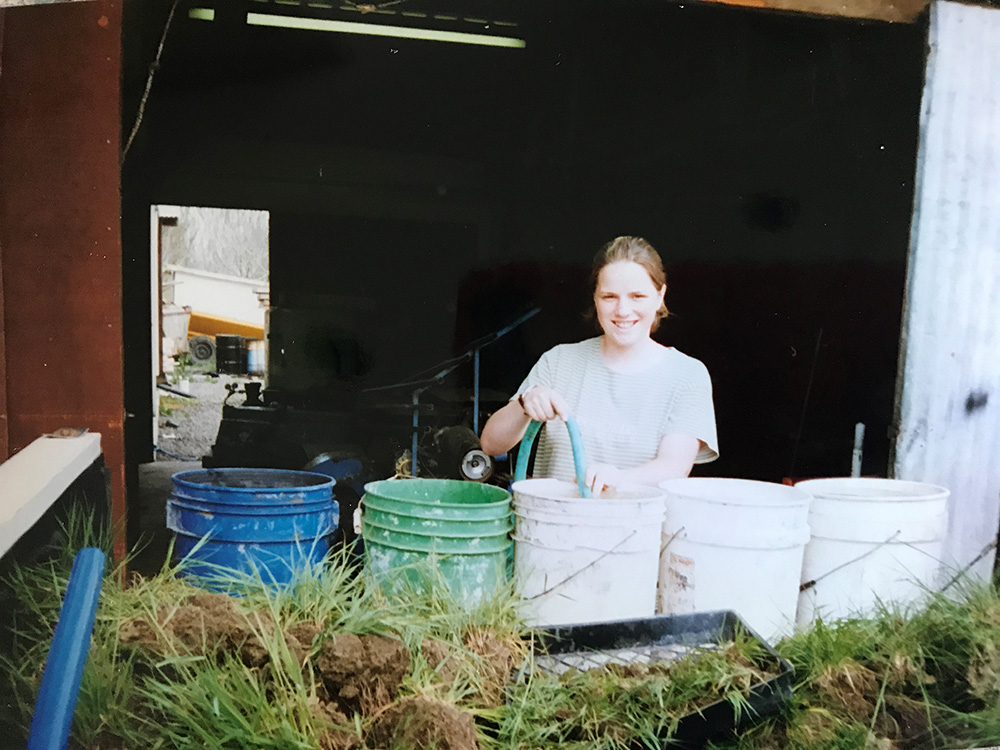
Photo/Courtesy of Jenny Lester Moffitt
But there are others that don’t appear on a bankruptcy filing.
We lose knowledge accumulated over generations. We lose jobs and customers for local businesses. We lose relationships between farmers and communities. We risk losing investments made over decades in soil, conservation and stewardship. And sometimes we lose another family from agriculture altogether.
Those losses are difficult—sometimes impossible—to rebuild.
Last week, six years after first filing for bankruptcy, we paid off the bank in full.
It marked the end of a long and difficult chapter. But as I’ve reflected on the loss of our family farm, I’ve also thought a lot about what remains: the lessons that I have learned from my father and from the land we worked so hard to sustain. Lessons like:
1. Be patient. Like a tree grown from a seedling or rebuilding organic matter in the soil, some of the most important results take time.
2. Persevere. A bad crop year, a market collapse, a bad fire during harvest—life will throw you curveballs. What matters most is how you respond, adapt and keep moving forward.
3. Take a systems approach. There is rarely a single—or simple—solution to our biggest challenges. In fact, everything is connected. Treat one pest and you may disrupt the predators that kept another in check. Lasting solutions require us to understand the whole system.
4. Work with purpose and passion. Farming is hard work. And, to borrow a term my husband often uses, it is also heart work. When you are doing something you deeply believe in and love, it makes a world of difference.
5. Cultivate community. Our employees, our customers, our neighbors, the researchers and fellow farmers we worked with, and the residents of our town meant everything to us. In good times and bad, people showed up for one another. We helped each other out. Community matters.
6. Live with integrity and honesty. In farming, some of the most important agreements are still made with a handshake. Your word matters. How you treat people matters.
The deed may have changed hands, but the lessons endure. And they are lessons for agricultural policy at a time when American agriculture is at a crossroads.
If we truly value what farms and farmers provide, we cannot wait until bankruptcy to decide they are worth saving. We need strong markets, earlier financial and business support, conservation investments that strengthen economic resilience, better tools for managing debt and realistic pathways for the next generation to remain on the land.
The DEBT map helps us see the scale of the challenge. But we should never mistake the dots for the story.
Those dots are farmers. Families. Employees. Communities.
Our farm is one of them.
We lost the land. We lost the business. We lost my dad. But we did not lose what the farm taught us.
And one way to honor those lessons is to do everything we can to keep more farms from becoming dots on the map.
Jenny Lester Moffitt is vice president of farmland protection and strategic priorities for American Farmland Trust. She served as undersecretary of marketing and regulatory programs at the U.S. Department of Agriculture from 2021-2025. She can be reached at jmoffitt@farmland.org. Reprint with credit to California Farm Bureau. For image use, email agalert@cfbf.com.

In this edition…
• View full issue
• California farmers explore seaweed crop
• Soaring costs and low yield dampen walnut prospects
• Lessons learned from being a dot on bankruptcy map
• Ventura County's record crop values describe 'only half the story'
• From the Fields: Bryan Van Groningen, San Joaquin County farmer
• From the Fields: Steven Springer, Yuba County farmer
• From the Fields: Jim Spinetta, Amador County winegrape grower
• From the Fields: Billie Roney, Tehama County rancher
• Market, prices strengthen for sweet potato growers
• Advocacy in Action: A legal victory, air monitoring, kangaroo rat, screwworm and wolves
• Protein boom marks 'paradigm shift' in dairy sector
• California FFA students win in Agricultural Proficiency
• Protecting your herd: Modern solutions for livestock theft