


From the Fields: Billie Roney, Tehama County rancher
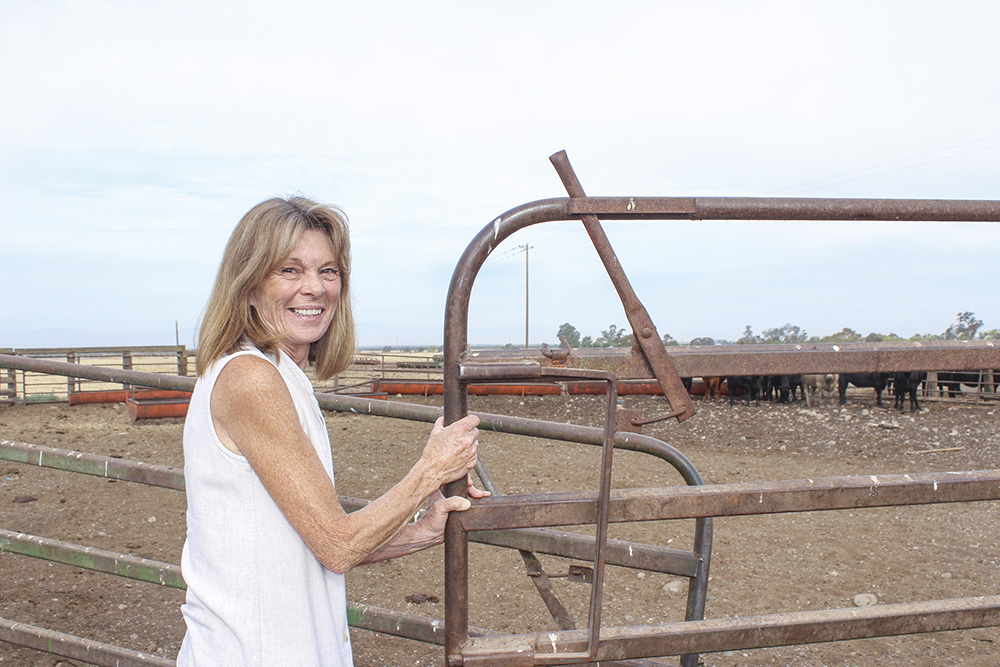
Photo/Kathy Coatney


By Billie Roney
Tehama County rancher
We run cattle in the valley, and we summer up in the mountains in Lassen and Plumas counties. We winter down here in Tehama and Butte counties.
I was scrambling to pick up hay twine before the rain came in. We feed large hay bales, and we tie them up with twine. As the cows eat the hay down, I need to stay on top of picking up the twine because it’s not good for cattle to ingest it. We try not to drive around in the mud because it doesn’t help the grass grow.
We brought the girls down from the mountains early this year. The feed seemed to come on late this summer, and it was dry. We elected to come down on account of the feed and also the wolf pressure. That’s an ongoing issue.
It’s affected us most in Lassen County. The liaison for the (California Department of Fish and Wildlife) was giving me updates regularly on clusters of wolves being right on the edge of our meadow. We were kind of encircled. I elected not to turn our cattle out to protect the calves.
I held about 50 cows down here with baby calves and did not send them to the mountains, so I fed all summer long. Since we’ve been hit with wolves, we don’t send baby pairs up there. We keep them down here and feed them. The cost of hay bales is astronomical. Ever since the wolves hit us, it has cost us phenomenal amounts of money. Ranchers take it on the chin a lot from people who think we are paid for our losses, and we’re just not. Most of the animals that are killed by wolves are never recorded. A lot of them you can’t find. A lot of them the agency is unable to verify by their standards that a wolf killed them.
The high beef prices have helped. It changed a few things. We didn’t keep feeders this year, which we almost always do. We sold the weaned calves for the first time I can remember, so we’re selling them much younger than we used to. The younger animals bring so much more money now, and the feeder that is held and fed until it’s heavier brings you less per pound. When you calculate how much you paid for the feed, it doesn’t make sense to hold onto those weaned calves.
I’ll be buying bulls in the next few weeks. Traditionally, we’ve bought bulls locally, but we have also bought quite a few bulls from Texas. You can watch a video of them in real time as they’re selling, and then you bid over the phone, and they deliver them. It’s handy for us because we never have enough time to break away from the ranch to make a trip like that.

In this edition…
• View full issue
• California farmers explore seaweed crop
• Soaring costs and low yield dampen walnut prospects
• Lessons learned from being a dot on bankruptcy map
• Ventura County's record crop values describe 'only half the story'
• From the Fields: Bryan Van Groningen, San Joaquin County farmer
• From the Fields: Steven Springer, Yuba County farmer
• From the Fields: Jim Spinetta, Amador County winegrape grower
• From the Fields: Billie Roney, Tehama County rancher
• Market, prices strengthen for sweet potato growers
• Advocacy in Action: A legal victory, air monitoring, kangaroo rat, screwworm and wolves
• Protein boom marks 'paradigm shift' in dairy sector
• California FFA students win in Agricultural Proficiency
• Protecting your herd: Modern solutions for livestock theft