


State targets sharpshooters from Costco grapevines
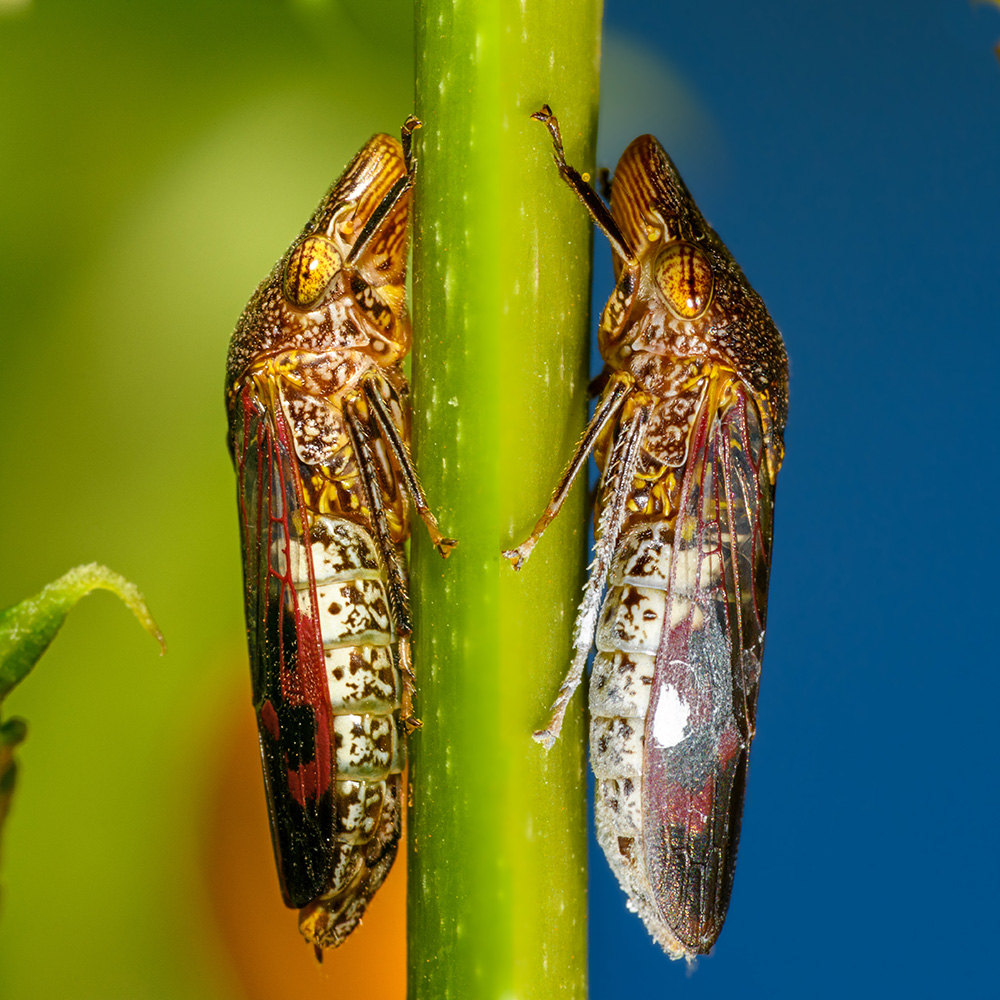
California agricultural officials are responding to the discovery of invasive glassy-winged sharpshooters found on grapevine shipments sold at select Costco locations in California between April 21 and May 21. The leaf-hopping pest can spread the pathogen that causes Pierce’s disease, which is deadly to grapevines. As of last week, 23 counties are affected.
Photo/Licensed image


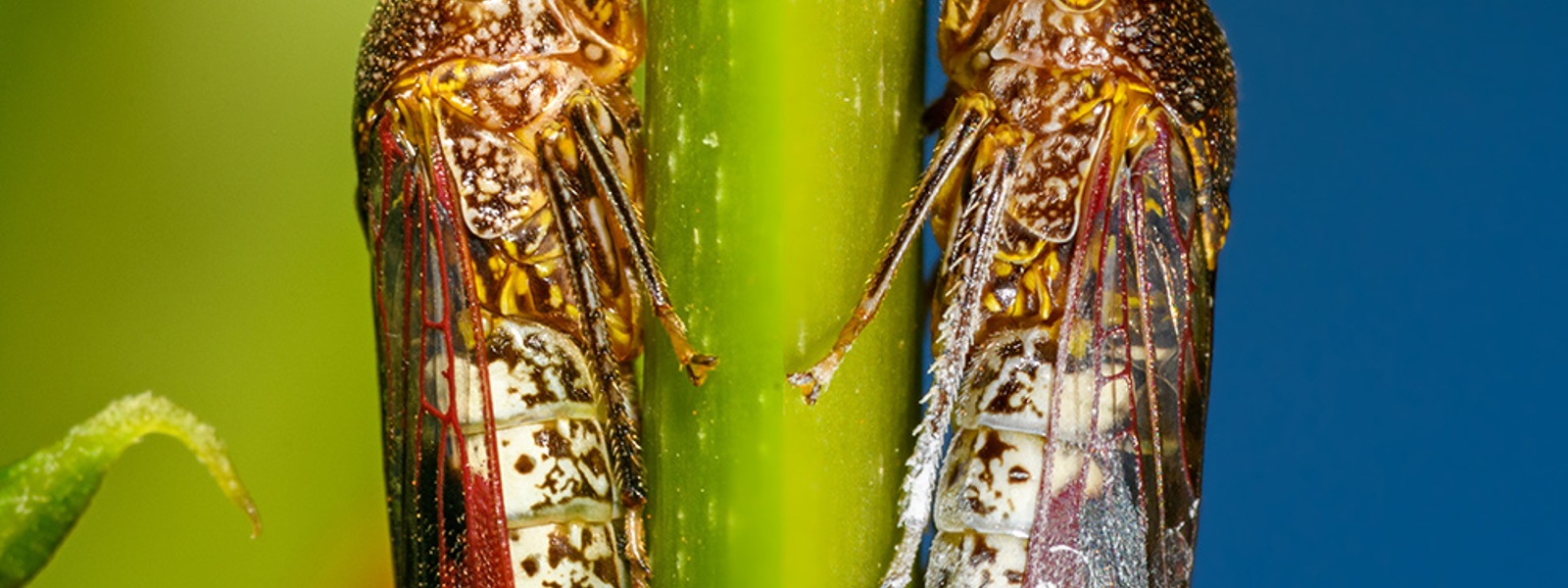
The California Department of Food and Agriculture Pierce’s Disease Control Program continues to work with Costco Wholesale and county agricultural officials to track down and destroy grapevines that could be infested with invasive glassy-winged sharpshooters.
The leaf-hopping insects were found on grapevine shipments sold at select Costco locations in California between April 21 and May 21.
The pest threatens California vineyards because it can spread the bacterium that causes Pierce’s disease, which is fatal to grapevines.
CDFA indicated Costco is not at fault and is cooperating with the department to contain further spread of the insects.
The infested nursery stock came from Burchell Nursery in Fresno, CDFA reported, adding that Fresno County agricultural commissioner staff has been working on site with state agricultural personnel since May 19 to stop shipments, investigate the situation and determine corrective actions.
All life stages of the sharpshooter have been detected on grapevine shipments across multiple counties.
As of May 29, counties with Costco locations suspected to have received shipments of potentially infested nursery plants include: Alameda, Butte, Contra Costa, Humboldt, Kings, Marin, Mendocino, Merced, Monterey, Napa, Placer, Sacramento, San Joaquin, San Mateo, Santa Clara, Santa Cruz, Shasta, Solano, Sonoma, Stanislaus, Tulare, Yolo and Yuba counties, according to CDFA.
The Napa County agricultural commissioner’s office said 63 of the 220 grapevines delivered to Napa Costco have been destroyed, with one sharpshooter egg mass found. The remaining 157 grapevines remain unaccounted for and may be with Napa Costco customers who bought them.
CDFA said county agricultural commissioners in affected areas have been conducting inspections, responding to public reports, coordinating trapping efforts and helping ensure potentially infested plants are safely contained and disposed of.
In addition, Costco has been working cooperatively with the department to notify customers, issue refunds and help connect purchasers with local county agricultural commissioner offices for inspection and disposal guidance, CDFA said.
Lindsey Carter, executive director of the California Agricultural Commissioners and Sealers Association, said the group has asked for public cooperation.
“We understand that people may be reluctant to part with these plants, but it is critically important that the spread of this devastating pest is contained quickly,” Carter said in a statement.
Native to the southeastern U.S., the glassy-winged sharpshooter was accidentally introduced into Southern California in the late 1980s, most likely as egg masses in ornamental or agricultural plant foliage, according to the University of California.
When a sharpshooter feeds on a plant infected with Pierce’s disease, it can carry and spread the bacterium to healthy plants. The pest also attacks almonds, citrus, stone fruit, alfalfa, common trees and ornamental plants.
Beyond causing fatal disease in grapevines, the pathogen responsible Pierce’s disease infects hundreds of other plant species and is associated with diseases including oleander leaf scorch, sweetgum dieback and cherry plum leaf scorch.
Despite management efforts, Pierce’s disease still costs an estimated $110 million annually in California, including $45 million for control, prevention and research; $48 million in lost winegrape production and vine replacement; and $17 million in lost table and raisin grape production and vine replacement, according to CDFA.
Because there is no cure for Pierce’s disease, infected plants must be destroyed.
CDFA has asked people who bought grapevines from Costco in affected counties between April 21 and May 21 to isolate the plants and contact their local county agriculture department.
For updates on this evolving situation, visit www.cdfa.ca.gov/pdcp/gwss-costco-plants.html.
In this edition…
• New school sawmill spurs logging interest
• H-2A rule change puts spotlight on work visa program
• Feedback needed to assess state veterinary shortage
• Nutrition program benefits growers and inmates alike
• From the Fields: Josh Barton, San Joaquin County walnut, almond and olive farmer
• From the Fields: Matt Stayer, Shasta County beekeeper and queen breeder
• From the Fields: Jerry Maltby, Colusa County rancher, feedlot operator and rice farmer
• From the Fields: Tiffany Holbrook, Sonoma County egg and poultry producer
• Growers use pressure bombs to fine-tune irrigation
• State targets sharpshooters from Costco grapevines
• Moth damage rises as growers await new insecticide
• Advocacy in Action: California Farm Bureau tackles labor, immigration and forest management
• Four farm safety priorities this National Safety Month






.svg.png)
