


Advocacy in Action: California Farm Bureau tackles labor, immigration and forest management
Photo/Licensed image



Labor
Four bills that California Farm Bureau opposes advanced out of their respective houses last week, raising concerns about increased costs, workplace management and regulatory accountability.
Assembly Bill 2646 by Assemblymember Maggy Krell, D-Sacramento, would establish a $19.75 minimum wage for agricultural employees working in California under the H-2A temporary agricultural worker visa program and California residents performing the same work in the same county.
Farm Bureau opposes the bill due to concerns that it would significantly increase labor costs for agricultural employers already facing some of the highest labor expenses in the nation. The bill passed by a 58-16 vote and now moves to the Senate.
Assembly Bill 2227 by Assemblymember Damon Connolly, D-Sacramento, would substantially increase the surety bond requirements for California-licensed farm labor contractors.
Farm Bureau is concerned that the measure would significantly increase operating costs and create additional financial and administrative burdens for contractors that provide critical workforce services to agricultural employers. The bill passed by a 51-20 vote and now moves to the Senate.
Assembly Bill 1883 by Isaac Bryan, D-Culver City, would significantly limit employers’ ability to use common workplace safety, security and management tools, including productivity monitoring technology and worksite access monitoring systems. The bill also grants enforcement authority to the labor commissioner and creates a private right of action allowing employees to bring lawsuits for alleged violations.
Farm Bureau opposes the measure due to concerns that it would restrict employers’ ability to manage operations and maintain safe workplaces while increasing litigation risks. AB 1883 passed by a 52-12 vote and now moves to the Senate.
Senate Bill 1123 by Scott Wiener, D-San Francisco, would allow state agencies to bypass Standardized Regulatory Impact Assessment, or SRIA, requirements for major regulations if the agency determines that the anticipated benefits of a regulation outweigh its costs. The SRIA process is intended to provide policymakers and stakeholders with a transparent assessment of the economic impacts of proposed regulations.
Farm Bureau opposes the bill because it would reduce accountability and limit meaningful review of the costs major regulations may impose on employers, businesses and consumers. SB 1123 passed by a 26-8 vote and moves to the Assembly.
Farm Bureau continues to work with legislators and partners to oppose the bills and advocate for policies that support a stable and affordable farm workforce.
Immigration
The U.S. Senate has delayed consideration of a Republican-led reconciliation package focused on immigration enforcement and border security, missing its original June 1 target date.
The roughly $70 billion proposal would provide additional funding for the U.S. Department of Homeland Security, U.S. Immigration and Customs Enforcement, and U.S. Customs and Border Protection.
Because the legislation is being considered through the budget reconciliation process, it can pass the Senate with a simple majority vote rather than the typical 60-vote threshold.
The delay is reportedly tied to concerns among some Republican senators regarding a $1 billion White House funding request for planned ballroom and security improvements, as well as a $1.8 billion Department of Justice “anti-weaponization” fund. Senate leaders are expected to resume consideration of the package following the congressional recess.
Forest management
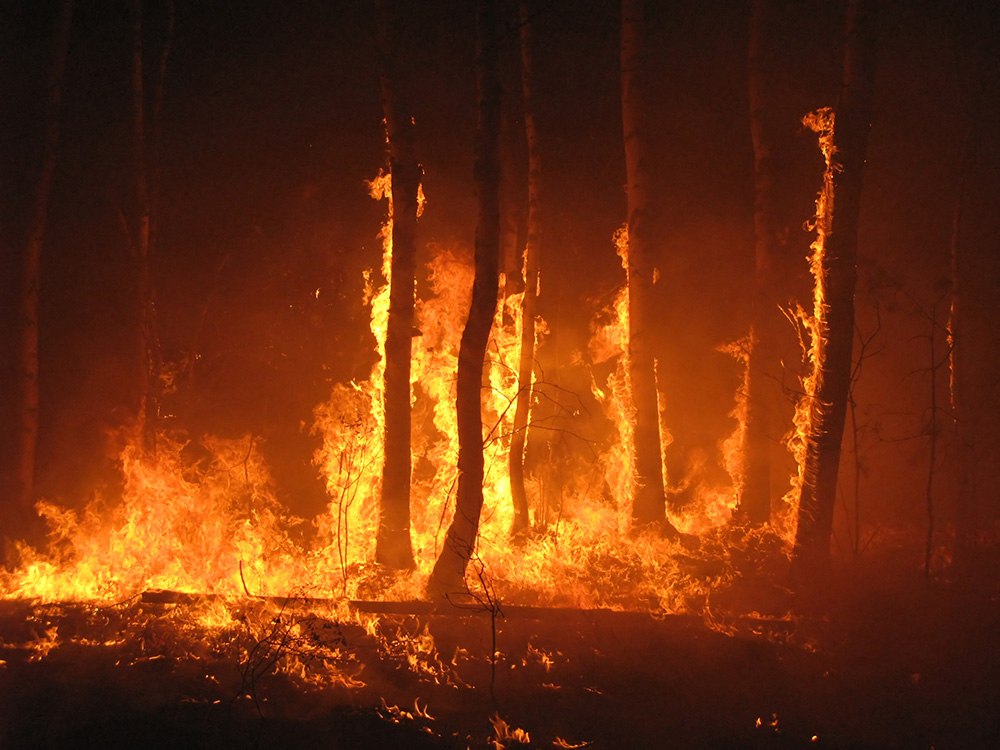
Two bills that address forest management and wildfire mitigation advanced out of the Assembly last week.
Assembly Bill 2494 by Assemblymember Chris Roger, D-Eureka, would make significant changes to the management priorities of California’s 14 demonstration state forests, which encompass about 85,000 acres and serve as living laboratories for forestry research, education and resource management practices.
California Farm Bureau, joined by more than a dozen county Farm Bureaus, opposes the bill due to concerns about its potential impacts on active forest management and demonstration forest operations.
The bill passed the Assembly on a party-line vote and moves to the Senate. Farm Bureau continues to work with stakeholders and legislators on amendments as the bill advances through the legislative process.
Assembly Bill 2410 by Assemblymember Stan Ellis, R-Bakersfield, would exempt certain critical fuels reduction projects from the California Environmental Quality Act through Jan. 1, 2030, when those projects are in communities within high fire threat districts or very high fire hazard severity zones. The bill would codify an existing exemption previously established through an executive order issued by Gov. Newsom.
Farm Bureau supports the bill as a tool to help accelerate wildfire mitigation efforts and reduce barriers to critical fuels management projects. The bill passed the Assembly with bipartisan support and moves to the Senate.
In this edition…
• New school sawmill spurs logging interest
• H-2A rule change puts spotlight on work visa program
• Feedback needed to assess state veterinary shortage
• Nutrition program benefits growers and inmates alike
• From the Fields: Josh Barton, San Joaquin County walnut, almond and olive farmer
• From the Fields: Matt Stayer, Shasta County beekeeper and queen breeder
• From the Fields: Jerry Maltby, Colusa County rancher, feedlot operator and rice farmer
• From the Fields: Tiffany Holbrook, Sonoma County egg and poultry producer
• Growers use pressure bombs to fine-tune irrigation
• State targets sharpshooters from Costco grapevines
• Moth damage rises as growers await new insecticide
• Advocacy in Action: California Farm Bureau tackles labor, immigration and forest management
• Four farm safety priorities this National Safety Month






.svg.png)
