


From the Fields - Paul Vermeulen


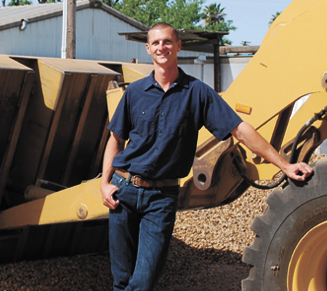
Photo/Courtesy Paul Vermeulen
By Paul Vermeulen, Stanislaus County almond grower and huller
Harvest is going full swing. With the weather, everyone’s trying to keep enough water on the field while getting the crop off. Seems like Butte Padres have forgotten their role and have decided to come in early along with nonpareils. Ten years ago, they used to be dead last. Harvest is at least two to three weeks later than typical. Harvest usually ends about Oct. 15. We will probably still be close to that end date because even though we started later, all the varieties are ready at once, so it’s condensed. There’s delays in knocking, delays in sweeping. That has caused some problems with trees not having enough water, so they’re getting stressed.
Nonpareil quality is the biggest concern for all growers. Everyone has heard horror stories of 10% to 40% worms in my area. People who had good winter sanitation measures are not seeing terrible worm counts. Typically, clean farmers are seeing 2% to 3% worms, and dirty farmers are worse than that. I know a lot of people who had heavy ground, and they were not able to go in and mummy shake and destroy the old crop that was left up in the trees. That creates the breeding ground for the navel orangeworm, gives them a home for the harsh winter. Growers who were not able to destroy the mummies because their fields were too wet thought they would just do an extra spray or two. Those who tried that, even with two extra sprays, are full of worms. There’s no substitute for winter sanitation.
Growers are prepping early for their winter sanitation this year. We’re getting ready for our postharvest nitrogen application. With the low price of almonds, growers everywhere are trying to figure out where to cut costs. But the high navel orangeworm counts this year is making it apparent that winter sanitation is not the one to cut.





.svg.png)
