


Nationwide News: Market consolidation trend a challenge for small farms
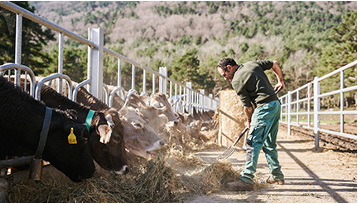
Farm consolidation across the U.S. has reduced the number of operations while increasing the average farm size, leaving many small and midsize producers struggling to adapt.
Photo/Courtesy of Nationwide



The following information is provided by Nationwide®, your approved insurance and financial services company.
Market consolidation in agriculture continues to reshape the landscape. Between 2017 and 2022, the number of U.S. farms dropped by more than 7%, while the average farm size increased from 441 to 463 acres. This reflects a long-term trend of consolidation, where fewer, larger entities dominate the market. If you’re running a small or midsize farm, you’ve probably felt the effects. But with the right tools and support, you can stay competitive and resilient.
Small farms are vulnerable
For many reasons, smaller farms often face more challenges when markets shift. Knowing these challenges is the first step to overcoming them. Challenges include:
• Federal programs such as crop insurance and subsidies often reward bigger operations that can produce at scale.
• Input costs, including seed, fertilizer and equipment, keep rising, and it’s harder to get bulk discounts or financing.
• Access to markets can be limited, especially when large companies control processing or distribution.
Surviving market consolidation
 Market consolidation happens when a few big players dominate a part of the industry. It’s not just about big farms. It also affects the companies that supply your farm. For example, many of the sectors that provide inputs to farms, such as seed, fertilizer and equipment, are now controlled by just a few large companies. This can lead to higher prices for the products you rely on, fewer choices when it comes to seed varieties or equipment brands, and more dependency on specific suppliers or technologies. Understanding this helps you plan smarter and protect your operation from unexpected changes.
Small farms overcome challenges
1. Limited market access: It’s not always easy to find a local processor or distributor, especially if they’re tied up with larger producers. This can mean longer hauls, higher costs and tighter margins.
What you can do: Look into regional co-ops, direct-to-consumer sales or local food networks. These can help you keep more value on the farm.
2. Financial constraints: With rising costs and tight margins, it’s tough to invest in new equipment, expand your operation or even cover unexpected losses.
What you can do: Work with an insurance agent who understands agriculture. There are policies designed to protect your income, livestock and more, so one bad event doesn’t set you back years.
3. Barriers to growth: Land and equipment are expensive. If you’re trying to bring the next generation into the business, it can feel overwhelming.
What you can do: Start planning early. Talk to your agent about succession planning tools and look into grants or programs for beginning farmers.
How insurance can help
Insurance isn’t just about protecting against disasters; it’s about building a stronger, more stable future for your farm. Whether you’re managing rising input costs, unpredictable weather or planning for the next generation, the right support can make all the difference.
• Tailored coverage: Customize coverage for your home, buildings, equipment, livestock and crops.
• Risk management tools: Access safety training, checklists and expert advice.
• Agricultural tech preferred pricing: Save on smart farming tools such as fire suppression, hay monitoring and GPS tracking.
• Legacy planning: Find resources to help you pass your farm on to the next generation with confidence.
Nationwide offers tools and coverage to help small ranchers remain resilient in a consolidating market.
Visit AgInsightCenter.com for more resources and expert tips to help you run a successful business and maintain the safety of your operation.
Nationwide, the Nationwide N and Eagle, and Nationwide is on your side are service marks of Nationwide Mutual Insurance Company. © 2025 Nationwide
See related news stories...
• Report assesses how farms adapt to labor shortages
• On the Record: Aaron Fukuda talks SGMA in the Kaweah Subbasin
• Farm leaders call attention to rising economic pressures





.svg.png)
