


Predator work group formed
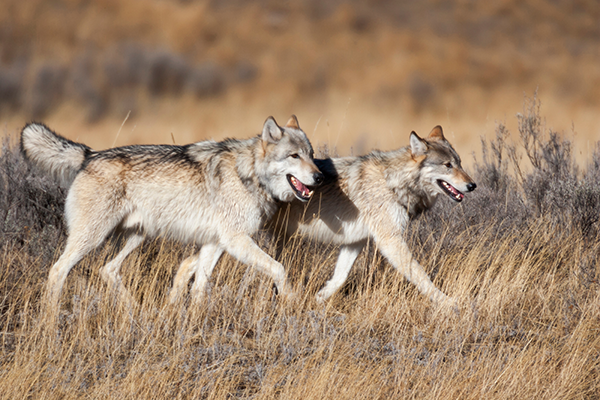
Predator work group formed
Photo/Licensed image


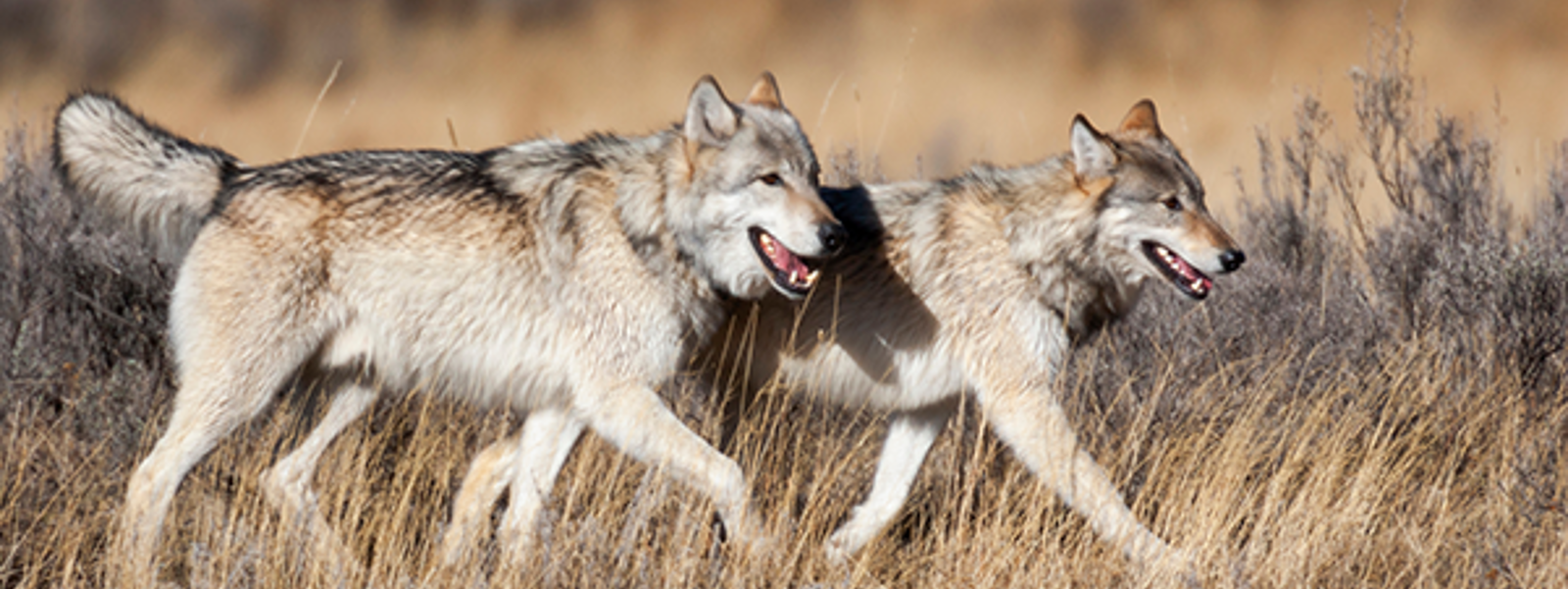
To address a surge of livestock kills, attacks and other conflicts caused by the state’s growing predator population, the California Farm Bureau has formed a predator working group.
Led by Placer County rancher Joe Fischer, the working group includes 10 Farm Bureau members and met this week for the first time.
The group will work in conjunction with law enforcement and other advocacy groups as it examines the state’s predator issue with a current focus on wolves. It will also expand to look at conflicts caused by other predators, including mountain lions and bears.
Since March, there have been more than 60 cattle kills in the Sierra Valley region of Plumas and Sierra counties.
The California Department of Fish and Wildlife has established a strike team in the Sierra Valley to try to deter wolves in the region.
Wolves remain fully protected as endangered under state and federal law, which means ranchers are prohibited from doing anything that could kill, harm or harass the species without facing criminal or civil penalties.
California Farm Bureau has helped secure more than $5.6 million in funding for the wolf livestock compensation program, which provides direct relief to ranchers who have lost livestock.
“This money, however, is meager payment for the emotional toll it takes on ranchers,” said Steven Fenaroli, a policy advocacy director for the California Farm Bureau.
According to CDFW, there are 10 confirmed wolf packs in California: Ashpan pack in eastern Shasta County; Beyem Seyo pack in Plumas County; Diamond pack in Plumas and Lassen counties; Harvey pack in Lassen County; Ice Cave pack in Shasta, Tehama, Lassen and Plumas counties; Ishi pack in eastern Tehama County; Lassen pack in southern Lassen and northern Plumas counties; Tunnison pack in central Lassen County; Whaleback pack in Siskiyou County; and Yowlumni pack in Tulare County.
See related news stories...
• California wolf population grew 50-fold in a decade
• Balance needed to protect livestock, pets and people
• Fish and Game ditches proposal to limit coyote take





.svg.png)
