


From the Fields: Grant Chaffin, Riverside County farmer
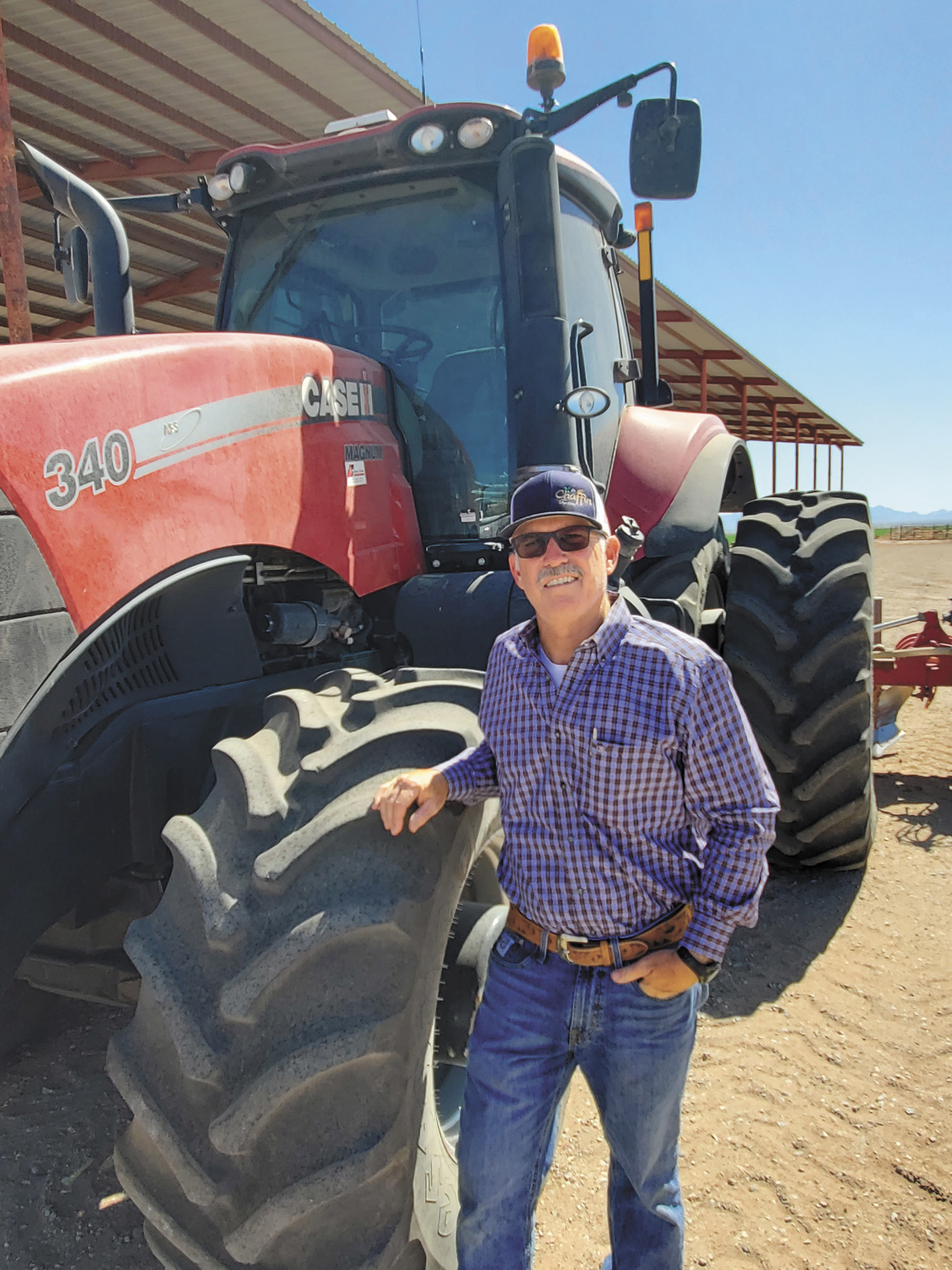
Grant Chaffin
Photo/Courtesy of Grant Chaffin


By Grant Chaffin
Riverside County farmer
All our commodity prices are down. Yields have been average to a little better than average. Fertilizer prices are up 11% to 20%, and we’re not getting access to new chemistries. In some instances, the materials are more expensive. However, they work and are softer on the environment. Cotton is a perfect example. We’re paying for technology that’s in the seed, but we can’t use two out of the three chemistries that are bred into the traits of the seed. As a result, we’re seeing resistance increase dramatically in terms of insect pressure, and we’re seeing weed resistance. These are alarming concerns for the future.
We’re starting our sixth cutting of alfalfa. This is the time of year when we see yields drop and weed pressure increase dramatically. That combination is not good for the longevity of the alfalfa stands. We’re storing alfalfa in hopes that over the winter, the price will increase, but that certainly is no guarantee. We’re also getting ground prepped to plant new alfalfa.
We are in the last phase of growth in the cotton crop. The price is terrible, so we’re hoping for a rally. This is the second consecutive year of low cotton and alfalfa prices. We couldn’t pencil wheat to be cost effective to grow, so we didn’t grow any. We finished our dehydrated onion harvest about a month ago, and yields were above average.
Given the low prices, you hope there are opportunities to take advantage of investments like hedging a crop, but those options are very limited. Then, you resort to ways of controlling expenses. Can I prepay some expenses? Can I get some discounts? Are there things that I can eliminate in the growing of the crop? Maybe that’s the difference between breaking even and losing money.
There’s concern on the Colorado River and water allocations. Where are we headed in 2026? Are we going to see reductions in deliveries? The shortage sharing agreement that we’re operating under expires in 2026.
See related news stories...
• Slow market for cotton leads to drop in planted acres
• Weeds more difficult to control in small grain crops
• USDA fields questions about plan to slash staff, facilities





.svg.png)
