


Inside Farm Bureau: Farm Bureau remains rural health, safety champion
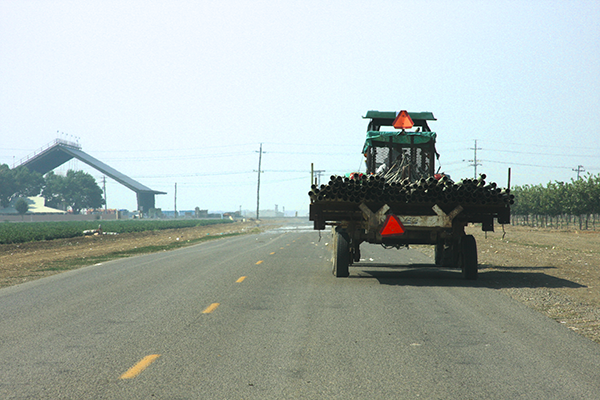
To keep rural roads safe, farmers should use the slow-moving vehicle emblem so their equipment is visible to other drivers.
Ag Alert file photo


By Jenny Holtermann
California Farm Bureau Rural Health and Safety Committee chair
As a fourth-generation farmer in Kern County, I’ve seen firsthand how the challenges we face in rural California go well beyond the crops we grow. Today, my husband and I farm almonds alongside his family and raise our two kids on our family homestead.
In agriculture, safety isn’t just about compliance—it’s about family. Many of us work alongside spouses, children and longtime employees who are considered like family. Making sure everyone comes home safe is the top priority.
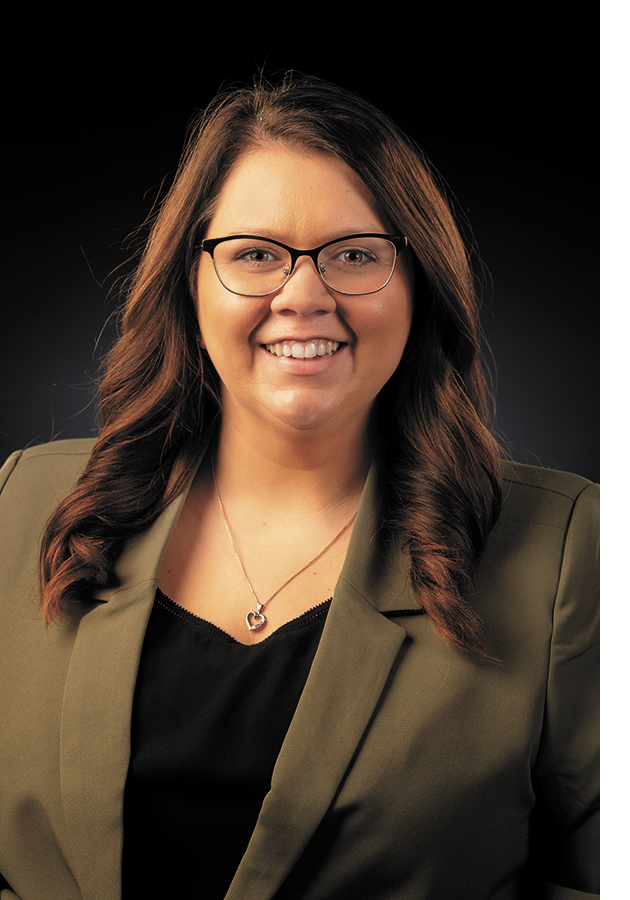 That’s why I’m honored to chair the California Farm Bureau Rural Health and Safety Committee. Our mission is to improve the rural way of life by focusing on three essential areas: farm safety, rural health and crime prevention.
This past year, the committee revamped its approach to be more focused and action driven. We surveyed county Farm Bureau members to learn what safety workshops and resources they provided. In larger operations, in-house safety teams may be more sufficient for members. In others, Farm Bureau can play a role in providing information and hosting training sessions.
To better serve these needs, we created three subcommittees focused on farm safety, rural health and rural crime. We meet quarterly to identify needs and purposeful solutions. These groups bring together a unique range of voices: farmers, healthcare professionals, safety consultants and passionate advocates who want to make a difference.
To raise awareness about safety and health issues in agriculture, Sept. 22-26 is National Farm Safety and Health Week, promoted by the National Education Center for Agricultural Safety.
With harvest happening this time of year, slow-moving equipment is out in force, and we ask drivers to be patient and cautious on rural roads. It is time to remind farmers to maintain equipment visibility and ensure employees are trained on roadway protocols.
With a major rise in the use of UTVs and ATVs on farms and at home, Nationwide has excellent safety and responsible rider resources, and we’re working to get those materials into more hands. Nationwide’s Drive the 5 and Share the Road campaigns, which offer road safety tools for drivers, are also useful resources.
With California’s scorching summers, heat illness prevention can’t be overlooked. Providing water, shade and regular rest breaks is critical, not just to comply with state regulations but to protect lives. We encourage supervisors to check in with their workers. It’s not enough to hand out water; we need to make sure people are actually drinking it and taking care of themselves.
Rural health care is in crisis. Across the state, we’ve seen rural hospitals close, leaving people with 30 to 45 minute drives for basic emergency services. After hearing of the potential for a rural hospital closure in Glenn County, our committee launched a letter-writing campaign to elevate the issue to state and federal leaders. Legislators need to understand that in rural California, 30 miles can be a life-threatening trip or a serious barrier to care.
We’ve heard from rural doctors about the unique challenges they face, including staffing and funding. We’re committed to continuing this conversation and helping communities advocate for accessible, sustainable health care close to home.
Mental health is another pressing concern. Low commodity prices and skyrocketing input costs have placed unbearable stress on many of us. As an almond grower, I know the struggle. We haven’t seen real profit in five years. Whether it’s hotlines, stories or just creating space for honest conversations, we want people to know they’re not alone. Sometimes, being heard is the first step toward healing.
The committee also focuses on rural crime prevention. For many years, farmers have faced a rise in rural crime, including costly property crimes such as theft of equipment, metal theft and theft of crops. We are working with sheriffs’ departments to strengthen communication, awareness and response strategies. We want to help deputies help us by giving them the tools and understanding they need to protect rural areas.
The Rural Health and Safety Committee looks forward to continuing the momentum at Farm Bureau’s annual meeting, which will be held Dec. 6-9 in Anaheim. This is an election year, so we will be welcoming new committee members. To participate in the committee, you must be nominated by your county Farm Bureau. If you’re passionate about any of these issues, we need your voice at the table.
At the end of the day, it is about making sure that the folks who grow our food and sustain our rural economies can do so safely and with the support they deserve. Whether it’s improving road safety, advocating for rural hospitals, addressing mental health or helping prevent crime, our committee is committed to doing the work and making a difference.
Farm safety resources
www.necasag.org/nationalfarmsafetyandhealthweek/
www.fb.org/initiative/farm-state-of-mind
www.nationwide.com/agents/driver-safety/
Kern County farmer Jenny Holtermann serves as an advisory member of the board of the California Farm Bureau and is chair of the organization’s Rural Health and Safety Committee. She can be reached at media@cfbf.com.





.svg.png)
