


Commentary: 'Full slate of priorities' need attention in lame duck
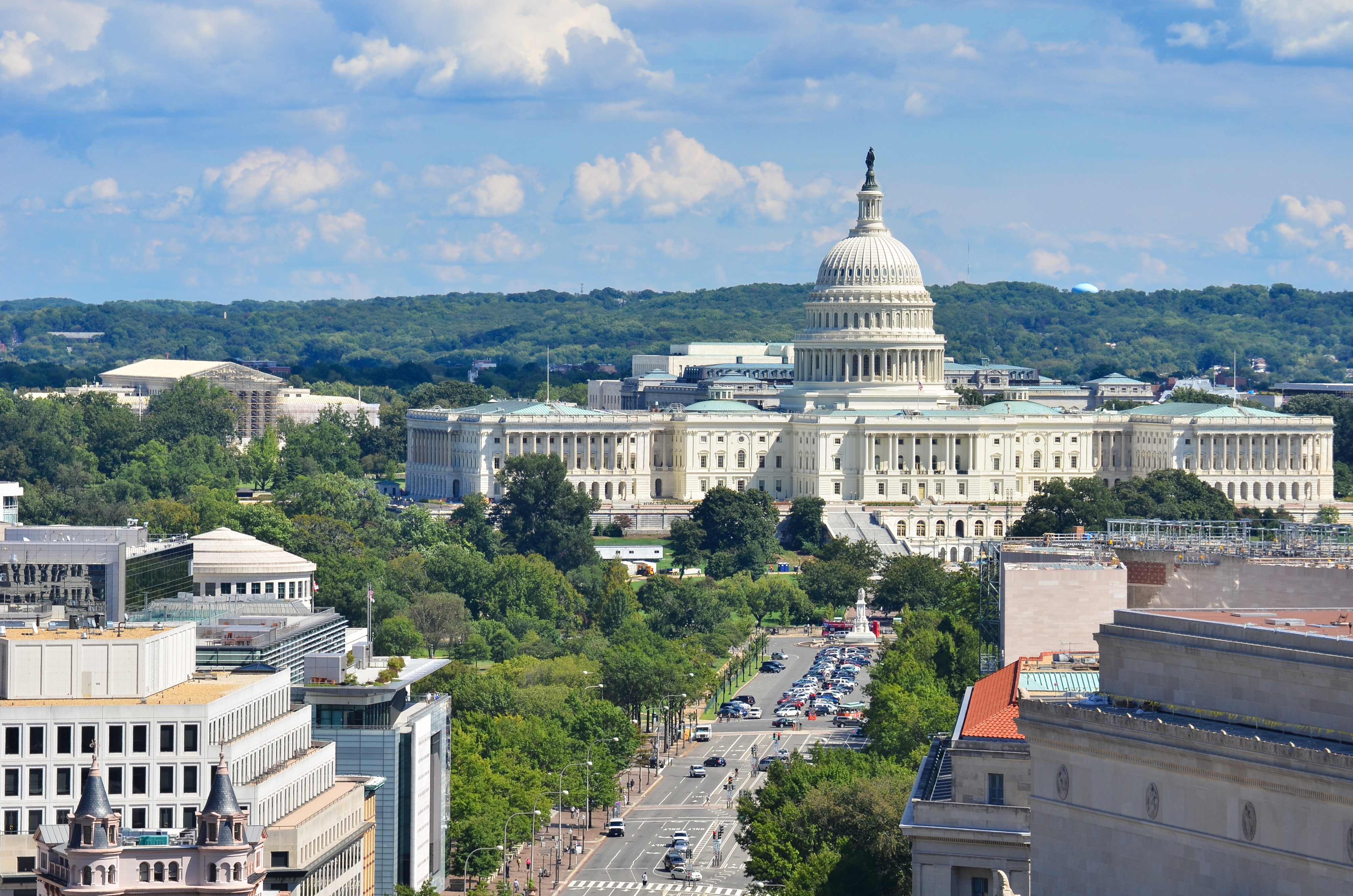
In an election year, many federal policy priorities need to be addressed during the “lame duck” session, with farmers continuing to urge lawmakers to pass a new federal farm bill for 2025.



By Matthew Viohl
Late in September, lawmakers in Washington, D.C., successfully avoided a government shutdown by passing what’s known as a continuing resolution. This short-term funding measure will keep the lights on for the federal government through at least Dec. 20, meaning they will need to pass yet another extension before the end of the year.
Unfortunately, this now gets tossed on top of what is already a full slate of priorities needing attention in the “lame duck” period, which begins after the election in early November. Historically, the level of activity during this time has varied. Some sessions end relatively quietly, while others are a mad dash of competing interests.
We anticipate this year will lean heavily into the latter of these scenarios. On the docket is a mix of bills that are deemed necessary or extraneous depending on who you ask. This includes the National Defense Authorization Act, an agricultural appropriations bill, a full or partial reauthorization of the farm bill, natural disaster assistance for 2023 events, Federal Emergency Management Agency support for Hurricane Helene, foreign aid for overseas conflicts and the aforementioned government funding extension.
Lawmakers have five weeks to potentially address all of these priorities, which is a painfully small window given the legislative hurdles required of most of them. While Congress has certainly shown the ability to pass thousand-page bills in short order, juggling so many large bills with so little time to operate means several of these endeavors could fall short of the finish line.
A full five-year reauthorization of the farm bill remains a top priority for the California Farm Bureau and most other agricultural organizations. The 2018 iteration faced expiration last year before a one-year extension kept it afloat. Many in agriculture warned that trying to pass a farm bill in 2024 would prove even more challenging due to it being a major election year.
Despite this, several key lawmakers are hopeful it can pass in the coming month and a half. Recent economic reports showing a continued downturn in America’s overall farming output reignited discussions about the need for immediate assistance—possibly even outside the farm bill.
Several groups are referring to this as an “economic assistance” package that would likely provide a one-time infusion for certain producers in some direct method. Few concrete details have been unearthed at this time though, likely in part because of the overlying need for a full farm bill reauthorization.
Likely to impact these issues are the results of the 2024 elections. No matter where your political loyalties lie, we are certain to have a new president in 2025 and a Congress that will have slim majorities in either chamber. In addition, potential changes in who holds the gavel in either chamber might encourage or discourage the parties to work together before the congressional session ends.
Until then, we are in a state of limbo since lawmakers are in home districts campaigning for the remainder of October. They may come together for an emergency session to provide additional funding for Hurricane Helene recovery efforts, but it remains unlikely for now.
What does this mean for farmers and ranchers across the country? It means we’re mostly in the same place we’ve been for the past year and a half, waiting on a historically inactive Congress to make a genuine effort to pass bills.
While the volume of passed bills certainly isn’t an indicator of overall success (we can look to Sacramento for evidence of that), there is a balance between doing a lot and doing very little. The legislative ask is substantial for our lawmakers this fall, and they should not expect or plan to have it easy as the sun sets on the 118th Congress.
I often recall a humorous line from former President George W. Bush during the 2006 White House Correspondents’ Association dinner in which he quipped, “I object to those stories that say I’m a lame duck. I’m not a lame duck. I’m a sprinting duck, I’m a hustling duck, I’m a leadership of the free world duck.”
Jokes aside, Congress would do right to replicate that sentiment as we head into November. Farmers and ranchers are hurting across the country. Thousands are still waiting for disaster assistance from January 2023 storms, and we’re limping along with a farm bill that relied on outdated agricutlural data from 2016 and 2017.
Needless to say, it’s high time Congress put on their running shoes as the slow meandering race turns into a sprint to the finish. We need a D.C. filled with sprinting and hustling ducks this November so that meaningful wins are delivered to the American people.
(Matthew Viohl is director of federal policy for the California Farm Bureau. He may be contacted at mviohl@cfbf.com.)





.svg.png)
