


UC students breed new crop varieties for organic farms
Photo/plantbreeding.ucdavis.edu/scope-project



A student-led breeding program at the University of California will soon be releasing new crop varieties for organic farmers. The Student Collaborative Organic Plant Breeding Education program, developed in 2015, came in response to grower reports of a need for more organic seeds.
 In one project, student breeders are working to develop new organic wheat varieties using heritage wheat varieties. The new lines are reported to have good bread-making traits, no awns and different colors, including blue, purple and charcoal. Students are also trying to breed organic varieties that resist lodging with improved yields.
UC staff researcher and project coordinator Laura Roser said her team is close to having varieties ready for release, with seeds available to growers interested in planting them. The plan is to release two to three of the new specialty wheat varieties in the next year or two, said graduate student Ali Said Yusuf, who leads the wheat breeding program. Growers who are interested in trying the new varieties may contact Roser at lcroser@ucdavis.edu.
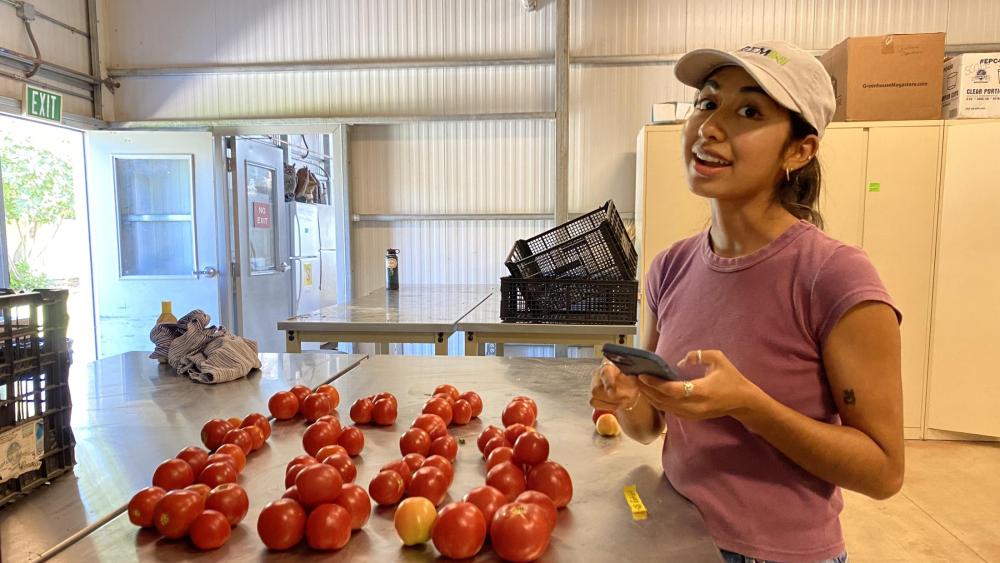
The program has also produced new organic tomato varieties called Orange Creamsicle and Rockin’ Roma, which Roser said could be available next spring. Orange Creamsicle is a round, fresh-market type tomato with a tart taste and smooth finish, according to the UC, while Rockin’ Roma is described as a roma-type tomato with firmness and balanced acidity.
Also coming are new varieties of zinnias that offer bicolor flowers with vivid and pastel shades, a variety of petal shapes and sizes, longer vase life and better resistance to diseases such as powdery mildew. One variety, Shirley, is reported to be taller with bigger orange flowers.
Trials on Shirley and other zinnia varieties continue as the program works to scale up seed production. Commercial release could come in the next year or two, Roser said.
Field trials are also ongoing for sweet potatoes and celtuce, an Asian vegetable. The team has been testing 45 types of sweet potatoes in organic farms to see how well they grow. The goal is to combine less common but good-tasting varieties with commercial varieties that grow well on California organic farms.
On celtuce, which is used more for its thick, juicy stem than its leafy greens, student breeders are testing frost-tolerant varieties that grow well in Northern California during fall and winter and others that grow better in spring and summer because they resist bolting. They are testing spring and winter varieties for flavor and texture, as well as breeding new varieties for better flavor, new colors, leaf shapes and traits that extend the growing season.
See related news stories...
• Researchers share latest advancements in dry beans
• Urban farm's microgreens punch up plates, palates
• Tomato yields up as canneries try to reduce inventory






.svg.png)
