


From the Fields: By Paul Vermeulen, Stanislaus County almond grower and huller
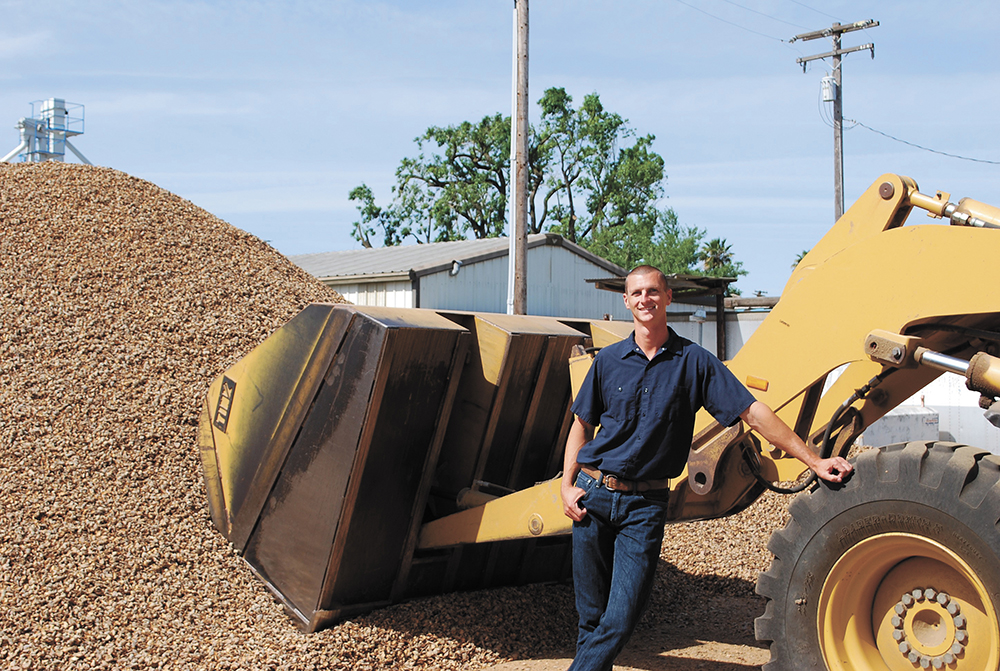
Paul Vermeulen
Photo/Courtesy of Paul Vermeulen


By Paul Vermeulen
Stanislaus County almond grower and huller
We’re in the heart of harvest. When USDA came out with a 3-billion-pound estimate, we were astonished, with not a single farmer believing it was even close. The estimate depressed almond prices overnight. The price has been unreasonably low for three years in a row, so farmers were hanging their hopes on a higher almond price, which was dashed by the high estimate. Now that we’re processing, prices have already returned to pre-estimate levels because the crop is nowhere near 3 billion pounds. It’s probably below 2.8 billion pounds.
Nut quality looks amazing. Farmers got their act together, shook mummy nuts, blew them and mowed them up. I saw more shakers, sweepers and mowers in fields last winter than I’ve ever seen. We’re seeing less than half a percent of navel orangeworm damage.
The weather has been great this growing season. The mild temperatures allowed the almonds to ripen and mature naturally without putting too much heat stress on the trees. In my region, crops are fair, and that’s probably due to three years of bad weather, whether it be frost or rain at bloom time. We have slightly better yields than most because we had three bad years, so the trees had a little more energy to put into the crop. What I’ve heard from down south and up north is a dramatic decline from previous years. I expect there’s not going to be any carryover in the almond crop, and I expect the price to reflect that.
I didn’t plant any new trees this year. We removed some older orchards. What we’ve seen over the past five years is a lot of removal of older orchards without a whole lot of new orchards going in. People say they think they’re going to go back in, but they’re not back in yet. A lot have switched to rotational crops like corn or hay that they can make a quick penny on.
See related news stories...
• Tools to control aggressive red leaf blotch a priority
• Big crop forecast shakes almond markets
• Researchers make headway on leaffooted bug fixes






.svg.png)
