


Farmers are key partners in managing subsidence
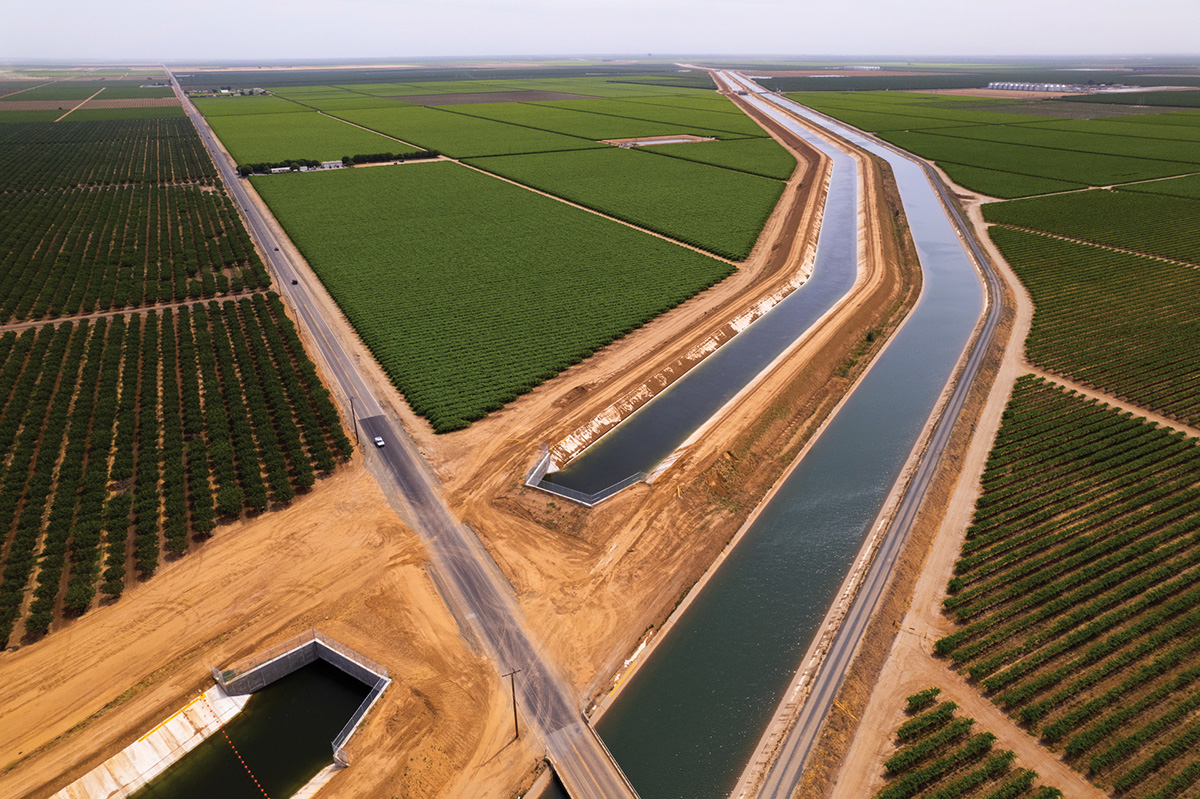
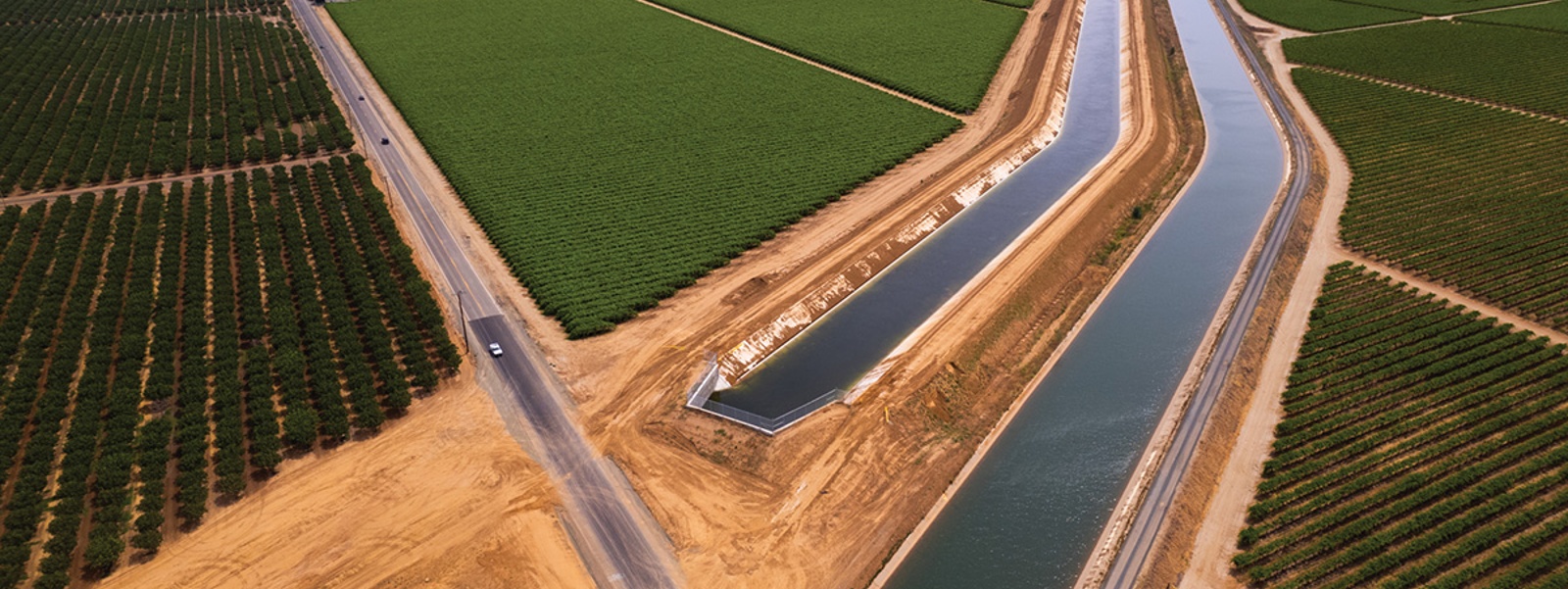
The Friant-Kern Canal, which has lost 60% of its flow due to land subsidence, is undergoing repairs to restore conveyance capacity. The canal delivers water to more than 1 million acres of farmland.
Photo/U.S. Bureau of Reclamation


By Paul Gosselin
Parts of California have experienced subsidence, or the sinking of land, for almost a century, with some areas sinking more than 25 feet.
Subsidence is a known issue in California caused by various factors, including excessive groundwater pumping. This can lead to damaged homes, roads, bridges, levees, wells and irrigation canals, disrupting water delivery and most of all, costing Californians hundreds of millions of dollars in repairs annually.
Further, subsidence severely jeopardizes the long-term water supply reliability for agriculture.
Earlier this summer, the California Department of Water Resources released findings showing that subsidence has restricted State Water Project delivery capability by 3%. The SWP, one of California’s primary water storage and delivery systems, helps supply water to 27 million Californians and 750,000 acres of farmland and businesses throughout the state. By 2043, if no action is taken, the current trajectory of subsidence combined with climate change could reduce deliveries by up to 87%.
In addition, the Friant-Kern Canal experienced a 60% loss of conveyance capacity and required repairs of roughly $326 million being paid by federal and state tax dollars and local agency contributions.
The Friant-Kern Canal provides federal Central Valley Project water along the east side of the San Joaquin Valley, extending from Fresno to Bakersfield to more than 1 million acres of some of the nation’s most productive farmland and 250,000 residents. The limited capacity to deliver surface water in turn drives greater groundwater pumping and more subsidence, further reducing canal capacity. This cycle must be broken to ensure that our heavily relied upon infrastructure can continue to function and provide water for farmland and residents.
Avoiding and minimizing subsidence is one of the principal objectives of the Sustainable Groundwater Management Act.
In the San Joaquin Valley, where subsidence is most common, groundwater sustainability agencies are already taking steps to address the issue. But in many cases, the approaches are not consistent with the intent of SGMA, and rates of subsidence have not lessened. Additional guidance and assistance are needed for groundwater sustainability agencies to adopt strategies that protect local communities and statewide and local infrastructure.
Recognizing these challenges, DWR released a draft document on best management practices to help local groundwater sustainability agencies address this growing concern and support groundwater-reliant communities.
The document, which can be found at https://water.ca.gov/-/media/DWR-Website/Web-Pages/Programs/Groundwater-Management/Subsidence/Files/Subsidence_BMP_Public_Draft.pdf, provides information about the basics of subsidence, how to best manage it and available technical assistance for groundwater managers.
This document does not replace any existing local, state or federal regulations but serves as a resource that local groundwater sustainability agencies can add to their water management toolkit.
Implementing strategies to minimize subsidence will be difficult and complex. The specific decisions on how to address subsidence must remain at the local level. Understanding that grower involvement in these decisions is critical and will help frame better outcomes, we encourage the agricultural community to participate in their local groundwater sustainability agency process.
California has made great strides since passing SGMA in 2014. Thanks to the work of our local partners, the department has reviewed more than 100 custom tailored groundwater sustainability plans designed to protect drinking water supplies and the communities that rely on them.
These plans, alongside other SGMA efforts such as LandFlex—which helped save more than 100,000 acre-feet of groundwater and reduced the overpumping of groundwater on Central Valley farms—underline the importance of working together to tackle California’s groundwater challenges. In order to continue building off this momentum, local agencies and users must unite to better align and implement strategies throughout their basins to see results in reducing subsidence.
Regardless of a groundwater basin’s current conditions, the finalized best management practices document, along with support from DWR’s assistance team and regional office staff, will help water managers through their decision-making process to better manage groundwater conditions to avoid or minimize subsidence and achieve their sustainability goals.
Minimizing subsidence is important to the long-term sustainability of agriculture because many growers rely on water supplies affected by subsidence.
For more information, visit:
• Sustainable Groundwater Management Act webpage at https://water.ca.gov/Programs/Groundwater-Management.
• What is Subsidence and How Does it Impact the Ground Beneath Our Feet at https://water.ca.gov/News/Blog/2025/Jun-25/What-is-Subsidence-and-How-Does-it-Impact-the-Ground-Beneath-Our-Feet.
• Subsidence webpage at https://water.ca.gov/Programs/Groundwater-Management/Subsidence.
• 60-Day Public Comment Period and Meeting Notice at https://water.ca.gov/News/Public-Notices/2025/Jul-25/DWR-Opens-60-Day-Public-Comment-Period-for-Draft-Best-Management-Practices-Document-on-Subsidence.
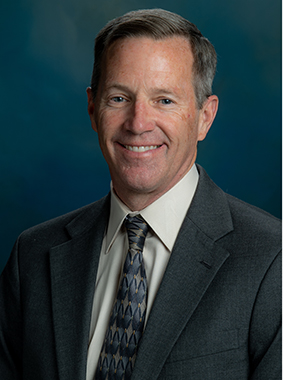
Paul Gosselin is deputy director of sustainable water management for the California Department of Water Resources. He can be reached at sgmps@water.ca.gov.
See related news stories...
• Bankruptcies show stress in farm economy
• Annual report shows major declines in farmland values
• State water official says more work needed as SGMA evolves





.svg.png)
