


From the Fields - Daniel Bays


Photo/Christine Souza
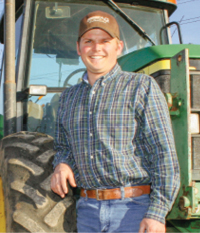
By Daniel Bays, Stanislaus County farmer
Almond harvest should wrap up by the end of the month. Self-pollinizers like the Independence and the Shastas did a better job of maintaining production from last year, increasing a little bit. There are still some Montereys being shaken, dried and picked up. The Montereys seem like they stayed green longer this year. For the most part, it has been a fairly mild October, so weather hasn’t sped up the process.
Almond production was down in our area by about 20%. I saw more insect damage from navel orangeworm. Part of that was due to the economics of production. Growers tried to cut input costs by reducing the number of sprays. There were a lot of mummies from last year that people weren’t able to get in and do orchard sanitation, which had an impact on pest pressure. The maturing of the crop was uneven throughout the orchard, so it was difficult to time worm sprays, especially at hull split.
In walnuts, we finished harvesting Tulares and should wrap up Chandlers soon. Production looks better on Chandlers than on Tulares, which in most orchards had a lighter crop.
Processing tomato harvest should finish in a week. Dry beans are cut and drying. Thrashers will probably continue into the first part of November. Late cantaloupes and watermelons are still being harvested, but melon harvest is mostly wrapped up.
We had plenty of water, which was a nice change from the past few years. You change from trying to find enough water to survive to turning over ground that was fallowed and trying to farm that. It takes a lot more time, effort, equipment, horsepower and money to get that ground worked and ready to farm again.
We should have adequate water going forward for several years. We are trying to work with the state and federal government and water districts and to store groundwater and manage our water resource the best we can.





.svg.png)
