


How can fall citrus applications control overwintering pests?
Photo/Licensed image



By Chris Boisseranc
Southwest Ag Consulting Inc., Redlands
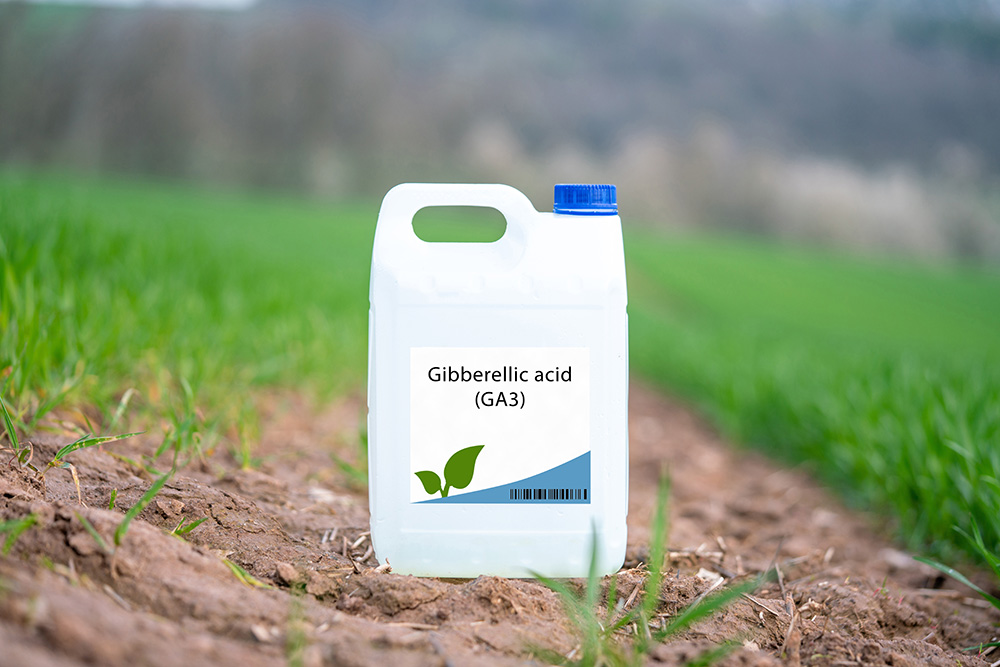
Plant growth regulators are most commonly applied to navel oranges and lemons in October. Plant growth regulators, usually gibberellic acid, slow the maturation rate of the fruit, providing growers with the opportunity to harvest under different market conditions. By holding the fruit longer, growers may be able to enter a stronger market and receive better prices.

At the same time growers apply plant growth regulators, October is generally the last month for pest management. During the winter months, there aren’t enough heat units for pesticides to effectively clean up pest issues, so late September and October are usually the last opportunities to control mites, mealybugs and Asian citrus psyllid—pests that accumulate in the canopy over the season.
These pests are active throughout the growing season and accumulate in the trees during summer. As winter approaches, they become less active, making the fall application an opportunity to reduce populations before they overwinter.
The timing for this application is particularly critical for mites because heavy populations going into Santa Ana wind conditions can easily defoliate trees in the fall.
For effective coverage, it’s important to completely cover the fruit with the plant growth regulator to slow maturation and help the rinds hold longer. Higher volumes of water—250 to 500 gallons per acre—are necessary for these applications.
A variety of chemicals are available to conventional growers for treating the pests, allowing growers to rotate products and reduce the risk of developing resistance.
For organic growers, pest management is more challenging. Gibberellic acid can be used in organic production to slow maturity, but there aren’t approved pesticides for organic production for this application window. Growers must rely on oils to control the pests, but they also have to be careful because using gibberellic acid requires a 60-day wait before pest management treatments can be applied.