


Cal Poly proposal jeopardizes its own farming roots
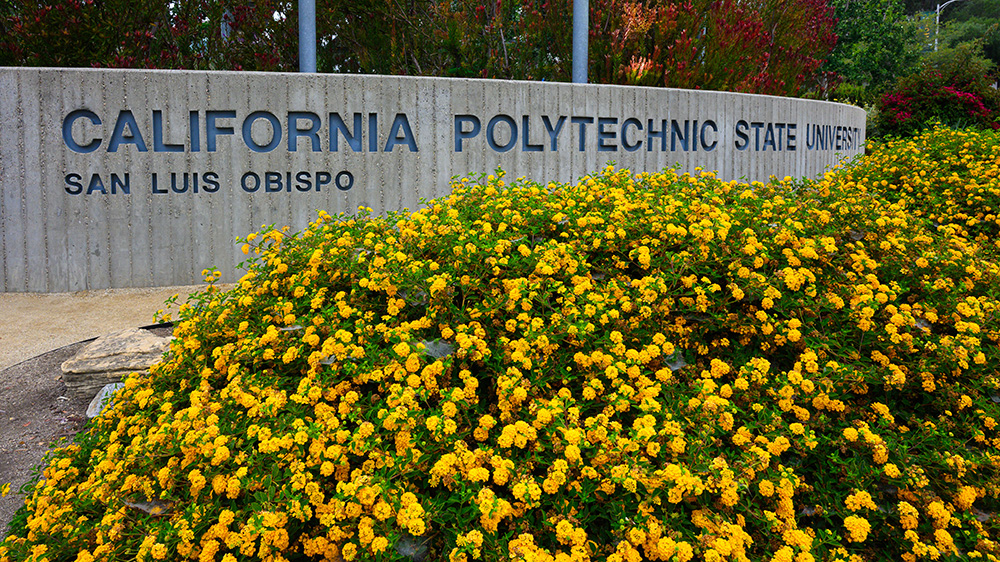
Cal Poly, San Luis Obispo, is considering a proposal to develop on prime farmland used for farming and educational purposes.


By Danilu Jelderks
Imagine a respected college of agriculture proposing to replace about 50 acres of prime farmland on its campus with housing, a hotel, an event center, retail stores and other amenities. The land is used to teach students, giving them hands-on experience with the very resource their future careers depend on.
This isn’t hypothetical. Cal Poly, San Luis Obispo, is seriously considering such a proposal. How many readers of Ag Alert® are Cal Poly alumni? How many remember walking from the agriculture building or crops unit to the campus’ row-crop fields, orchards and vineyards as part of their coursework? I do.
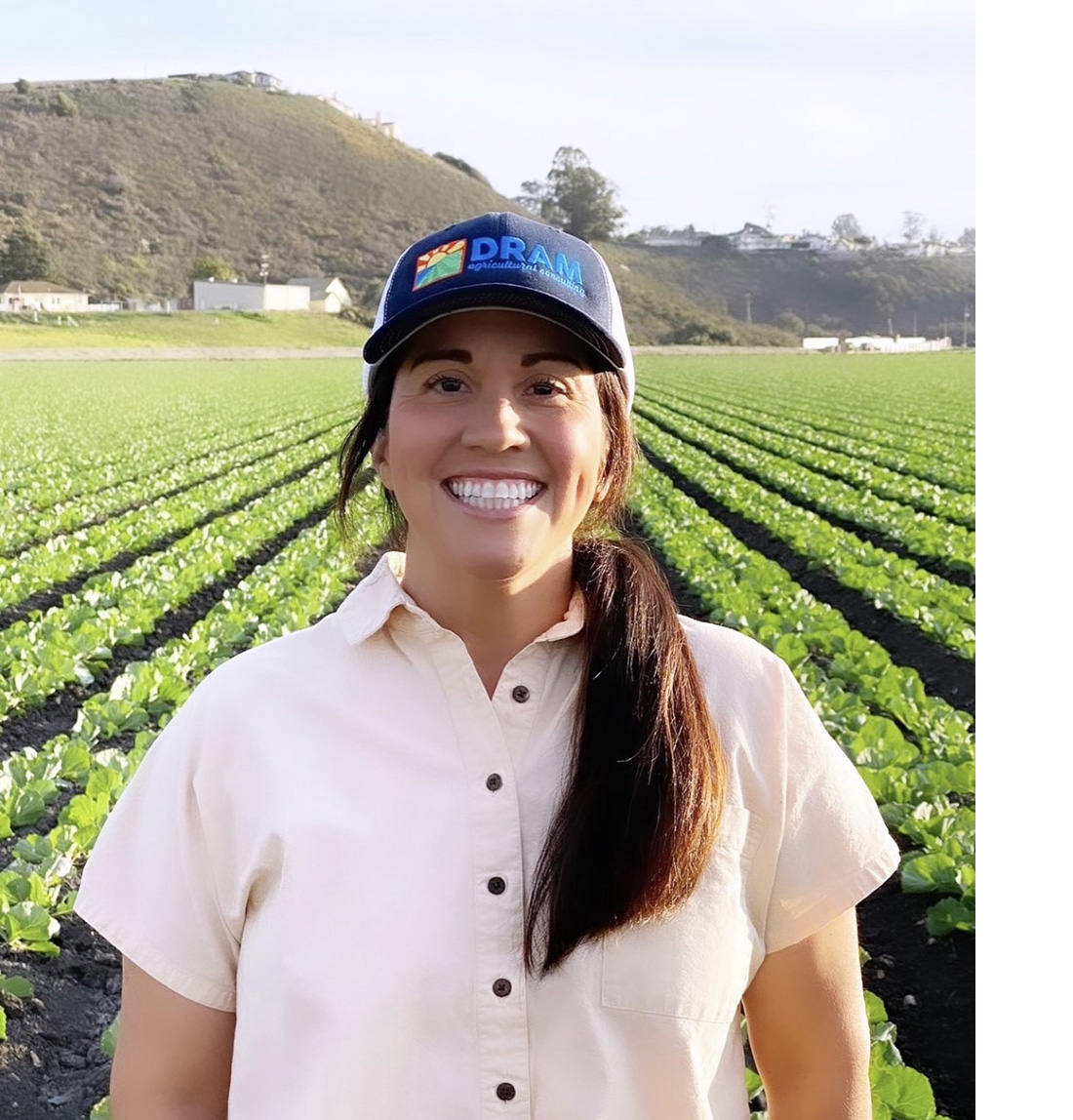
I was 18 when I started at Cal Poly as a crop science major. That’s when I began working in the fields, some of which are now in jeopardy of being removed. I moved sprinkler pipe. I drove tractors. We did everything from planting and fertilizing to watering and harvesting. The hands-on experience gave me a big advantage when I started working as an agronomist after graduation.
Cal Poly, San Luis Obispo, was established in 1901 as the California Polytechnic School. The school’s core disciplines were agriculture, mechanics and home economics. Students had to be at least 15 years old, have an eighth-grade education and pass basic tests in English, history and math.
The “learn-by-doing” approach began on Day 1. Many aspects about Cal Poly have changed since the turn of the last century, but agriculture remains a core discipline of the university, and Cal Poly is considered one of the top agricultural colleges in the country.
San Luis Obispo County Farm Bureau, along with San Luis Obispo County Cattlemen’s Association and San Luis Obispo County CattleWomen, opposes Cal Poly’s proposed land development. Most members of the three organizations are alumni. We teach at Cal Poly, guest lecture, volunteer, coach the rodeo team and assist the Bull Test program.
Over the years, we have watched the university encroach on various agricultural programs and resources. The dairy unit was reduced in size. The Bull Test facility moved to a location farther from the main campus. Hiking trails pass through active grazing ground.
We are aware of the pressures Cal Poly faces to increase enrollment, which in turn requires more housing for students and faculty and additional services for the university community.
We are proud that our alma mater is nationally recognized in many different disciplines. We understand that high enrollment demand has contributed to a shortage of affordable housing and services, affecting not only Cal Poly but San Luis Obispo County as a whole. We recognize that while other California State University campuses are experiencing declining enrollment, Cal Poly, San Luis Obispo, had to turn away 55,000 applicants in the 2025-26 academic year.
By all means, build, build, build—just not on prime farmland.
Under the California Environmental Quality Act, converting prime farmland can be a significant environmental impact that must be evaluated in an environmental impact report or addressed in a mitigated negative declaration. According to CEQA guidelines, mitigation for the loss of agricultural land may include permanently protecting other farmland of comparable quality and size through a conservation easement.
Cal Poly was required to do this when it created the 2035 Master Plan, which called for development on 10 acres of prime farmland. The 10 acres in question are on campus but not being used for farming or educational purposes. Cal Poly still had to mitigate the loss.
The new proposed project would be built on land used for farming and as a teaching laboratory for the College of Agriculture.
When our county Farm Bureau, Cattlemen’s and CattleWomen met with Cal Poly President Jeff Armstrong and Brian Horgan, the dean of Cal Poly’s College of Agriculture, Food and Environmental Science, they assured us there would be no net loss of prime farm ground on campus, that all teaching activity occurring on the west campus would be moved to other locations on campus and would be easily accessible by the students and faculty.
They also said no development on the proposed site will begin until the farm ground where teaching occurs is up and running and can replace the current ground in question.
We take President Armstrong and Dean Horgan at their word. But their proposal does not change the fact that we are permanently losing prime farmland.
This exposes a flaw in how CEQA addresses the loss of prime farmland. Mitigation may require a developer to protect other prime farmland under a conservation easement to compensate for land lost to development.
But this is not a true offset. Prime farmland cannot be recreated. Protecting farmland elsewhere does not replace the soil lost to development. Unlike planting five oak trees for every tree removed, there is no way to grow new prime soil. A conservation easement may preserve farmland, but it cannot restore what has been lost. Eventually, we run out of prime farmland to protect. In that sense, CEQA’s mitigation requirements do not eliminate the loss of this irreplaceable resource.
Please join members of our county Farm Bureau, Cattlemen’s Association, CattleWomen, alumni, industry donors and other groups to voice your opposition to the west campus proposal. Help us preserve Cal Poly’s agricultural heritage and roots. Sign the online petition at: www.change.org/p/save-cal-poly-slo-farmland?source_location=homepage_local_section.
Danilu Jelderks is second vice president of San Luis Obispo County Farm Bureau. She can be reached at agalert@cfbf.com.