

A fresh twist on cider
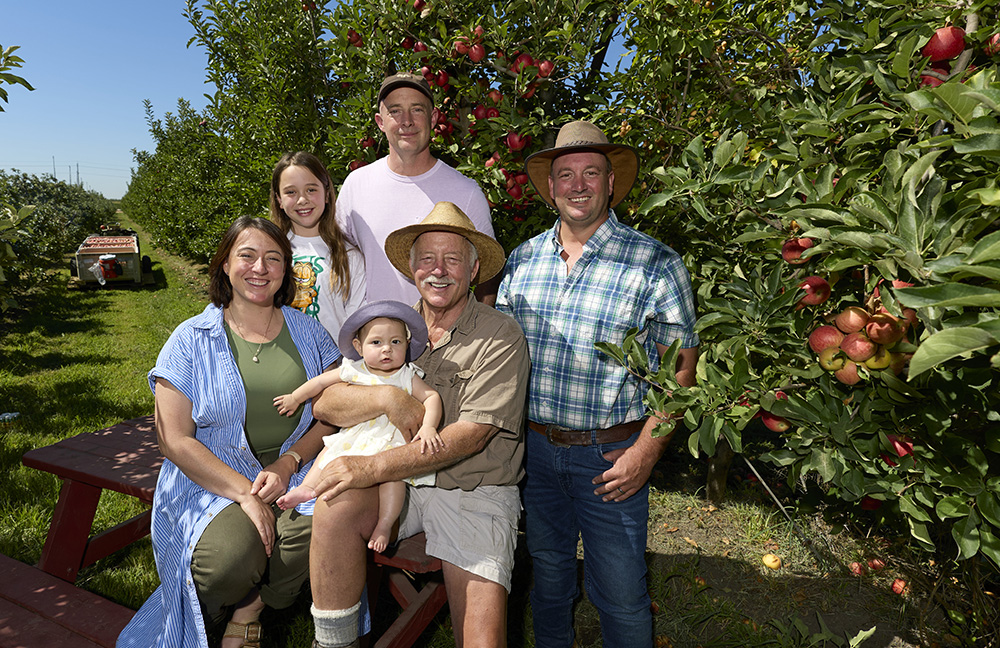
The Chinchiolo family, including Steve, center, holding granddaughter Harper Herbert, daughter Andrea, granddaughter Lulu, and sons Adam and Alex, at one of their apple orchards in San Joaquin County. In addition to farming apples, the family operates Far West Cider Co., which makes hard cider using apples from their own farm.
Photo/Fred Greaves


Four generations of farming yield a new craft venture
By Cyndee Fontana-Ott
The seeds of Far West Cider Co. first sprouted thousands of miles away from the Chinchiolo family’s apple orchards in San Joaquin County.
 Intrigued by the idea of hard cider, company founder and home brewing enthusiast Adam Chinchiolo mixed up a batch while living in Australia. Then came a few years of state-side planning, training and experimentation to yield a new enterprise for the century-old, largely organic Lucky You Orchards.
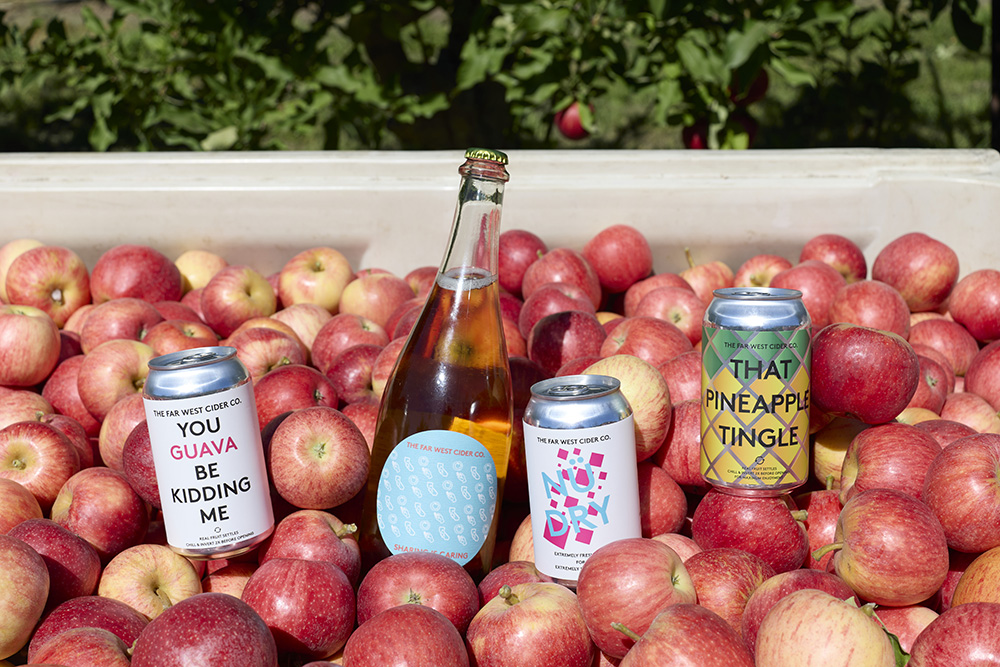
Annually, Far West produces about 30,000 gallons of hard cider—an alcoholic beverage—and multiple varieties with cheeky names such as You Guava Be Kidding Me and Sharing is Caring. Various blends of the lightly carbonated drinks are available in cans, bottles and on tap in locations around California, including many Whole Foods Markets and Total Wines stores, select Bay Area bars and restaurants, farmers markets and online.
The company is a true family effort for the Chinchiolos, some of whom taste-tested plenty of hard cider fermented in Adam’s garage during the research and development stage.
“I think there was some trial and error, but as he refined his cider-making skills, it’s gotten a lot better,” said patriarch Steve Chinchiolo, who noted he was a fan of the concept from the start, as it allowed the farm to incorporate a value-added product to its core business—growing apples.
Adam is Steve’s oldest son. Adam’s brother, Alex, is Steve’s right-hand man on the farm, and sister Andrea handles much of Far West’s marketing along with other farm-related chores. The hard cider business made its first commercial sale a decade ago, building its brand around apples and other fruit grown by the fourth-generation family farm.
Photo/Fred Greaves
“I can only think of one or two producers that are growing the fruit they use to make their ciders. It’s not super common,” Adam said. “I think it’s one of our major selling points.”
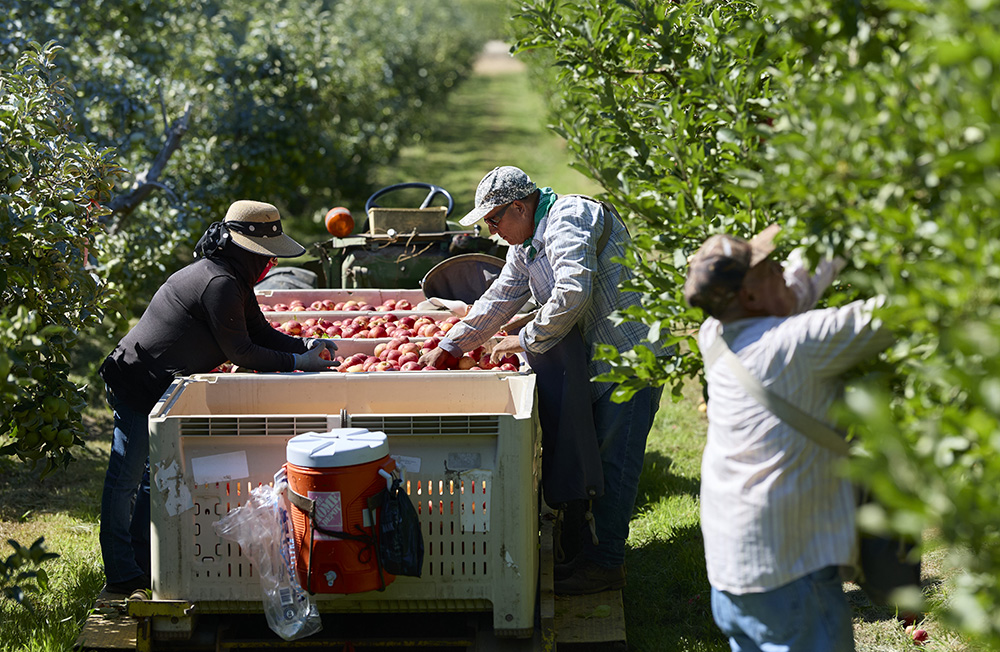
Lucky You Orchards spans three separate ranches and roughly 190 acres in the Ripon area of the Central Valley. Steve’s grandfather started farming there in the 1920s after moving from Boston to California. Back then, the crop was winegrapes that were packed in the field and then shipped by rail to home winemakers on the East Coast and in Canada.
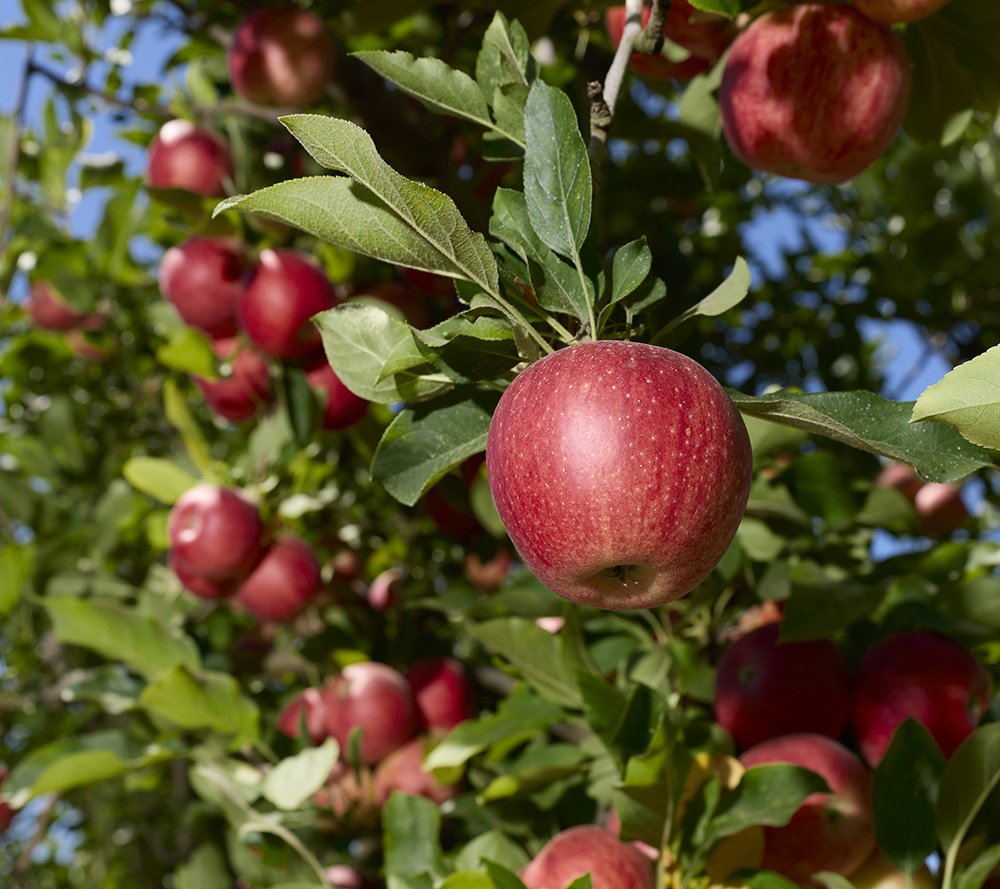
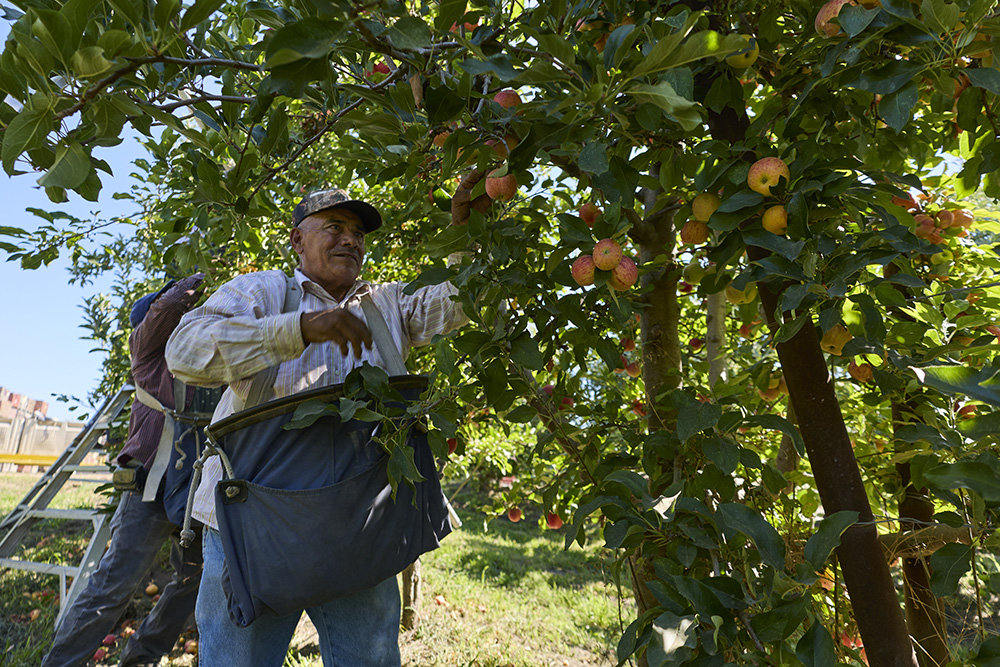
Through the years, as demand for the farm’s winegrapes dwindled, the family diversified into other crops such as apples. Now trees of Gala, Fuji, Granny Smith, Pink Lady and other apple varieties take up most of the acreage along with other minor crops such as cherries and pluots.
Around 2015, as hard cider was undergoing a consumer renaissance, Adam dug deeper into the concept after returning to California.
“It was a potential new category with some significant growth, and I thought, we have all these apples, and I like fermenting stuff,” he said. “And who doesn’t like a cold beverage?”
Photo/Fred Greaves
The family applied for and received a grant from the U.S. Department of Agriculture, which provided much-needed matching funds for the venture. Adam also took several intensive cider-making classes to sharpen his skills. Turns out, making hard cider is more like making wine than beer.
As the idea matured, the business rented equipment, found a home base in Richmond in Contra Costa County, and worked to streamline the logistics of moving, storing, pressing and fermenting apples.
Far West uses various blends of apples from the farm, including some heritage European varieties expressly added for their hard cider pedigree. Steve described those apples as “spitters” because they aren’t good bites off the tree.
Photo/Fred Greaves
To make hard cider, apples are crushed into a fine pulp and then pressed to produce juice. Yeast is added for fermentation, transforming sugar into alcohol during a period of several weeks to months in temperature-controlled, stainless-steel tanks. Next, the resulting dry hard cider is usually filtered to remove the yeast and sometimes blended with other fruit such as pineapple or guava puree for flavored products. Carbonation may occur naturally or be added along the way.
The resulting product is generally tart, fresh and ranges from dry to semisweet.
Adam, dubbed the “mad scientist” by his brother, constantly works on new blends. You Guava Be Kidding Me remains a best seller, while Pie Crimes offers a holiday-themed spice blend. That Pineapple Tingle marries fruit with chipotle, and Sharing is Caring is a dry table cider.
Photo/Fred Greaves
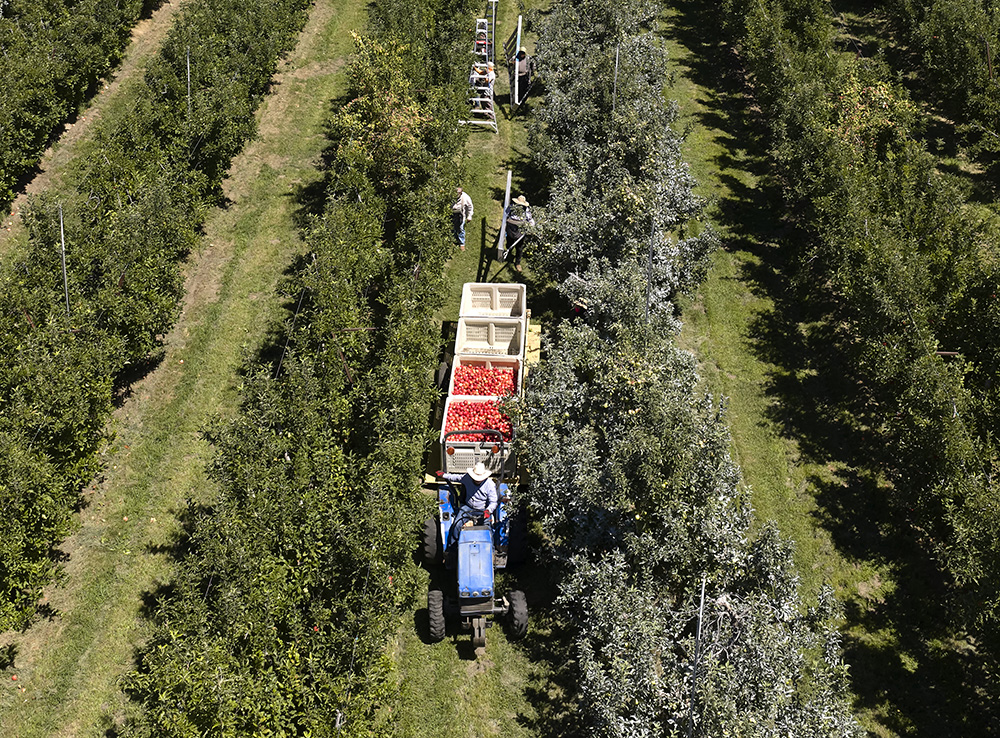
The business gives the farm an outlet for “cosmetically challenged” fruit, Steve said, adding that blemished or undersized apples may not appeal to consumers but are perfectly fine for making hard cider. The family also produces nonalcoholic apple juice.
“Our main focus is farming quality apples commercially,” Alex said. “But we inevitably always had a supply of second- or third-grade fruit that we were looking to see how we could get more value from.”
Andrea said the typical Far West customer is between 25 and 45 years old and looking for something genuine and refreshing. She noted how seltzers became a big trend several years ago, even though a lot of people don’t know what seltzer’s core ingredient is.
Photo/Fred Greaves
“With cider, you understand that this came from apples,” she said. “It feels more authentic and hits a flavor profile that people are seeking.”
Lucky You Orchards and its products are staples at many farmers markets in the greater Bay Area. Locations include Ferry Plaza, Alemany Market and Fort Mason in San Francisco and markets in Livermore, San Rafael and Mountain View. The family hopes to soon add hard cider to its lineup at the Modesto farmers market.
Meanwhile, the Chinchiolo family believes the future is ripe for expansion of the hard cider brand.
“I think Far West has a really great opportunity to stand out,” Andrea said.
Cyndee Fontana-Ott is a freelance writer in Fresno. She can be reached at agalert@cfbf.com.
Reprint with credit to California Farm Bureau. For image use, email agalert@cfbf.com.