


News Briefs: Groundwater, beef, verdict and H5N1
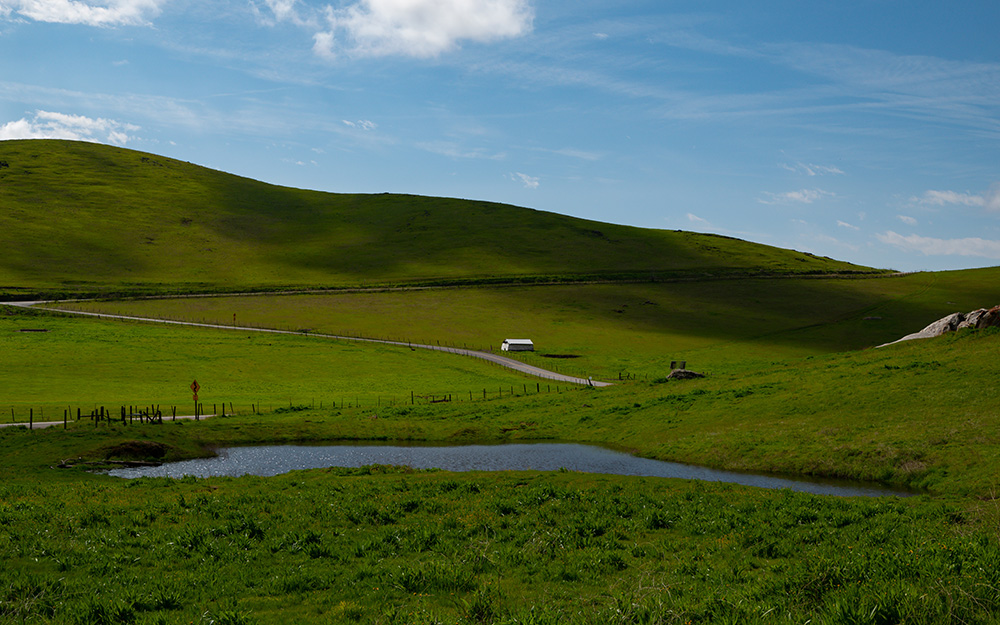
Tulare County.
Photo/Licensed image



Groundwater
A state appellate court ruled last week that California water regulators can move forward with enforcing probationary measures under the state’s Sustainable Groundwater Management Act on farmers in Kings County.
Last year, the California State Water Resources Control Board placed the Tulare Lake Subbasin in Kings County on probation after finding that it lacked an adequate plan to reduce groundwater pumping and stabilize its aquifer.
The Kings County Farm Bureau sued to halt the probationary measures, which include well registration and pumping fees, as well as metering requirements. In July 2024, the county Farm Bureau obtained a preliminary injunction, preventing the measures from being imposed, after Kings County Superior Court Judge Kathy Ciuffini ruled the state water board had exceeded its authority.
On Oct. 29, the 5th District Court of Appeal in Fresno reversed the injunction, allowing the state to begin imposing probationary measures on farmers in the Tulare Lake Subbasin while the case proceeds to trial in the lower court.
The appellate court said in a 41-page decision that the state water board has broad authority to enforce SGMA requirements. The extent to which the state may impose specific measures, and to whom it may impose them on, can be determined at trial, the court decided.
The three-justice panel upheld some of the “causes of action” outlined in the county Farm Bureau’s lawsuit, including its arguments that the state failed to exempt “good actors” from probation requirements and did not provide adequate notice to landowners.
Dusty Ference, executive director of the Kings County Farm Bureau, said in a statement that those issues were “central arguments” in the lawsuit.
“We remain optimistic,” Ference said. “We look forward to having those claims fully heard in the trial court.”
In the meantime, farmers in the subbasin will be required to pay $300 to register and meter their wells, pay $20 per acre-foot of groundwater they pump, and report extractions. Some similar measures have already been taken by local groundwater agencies as farmers in the subbasin work to comply with SGMA.
Beef
Farm advocates have pushed back against plans by President Donald Trump to import more beef from Argentina. The plan is part of an effort by the president to reduce beef prices for consumers and aid political allies in the South American nation.
“We know America’s families face challenges when food prices rise, but it’s important for President Trump to remember that farmers are facing an economic storm as well, and a vibrant U.S. cattle herd is at stake,” American Farm Bureau Federation President Zippy Duvall said last month in a statement.
“We urge the administration to carefully consider the damage importing more beef and cattle from other countries will have as cattle farmers decide whether to invest in rebuilding America’s herds,” Duvall said. “Flooding markets with foreign-grown beef could affect our nation’s ability to be food-independent in the long term. We look forward to learning more about the president’s plan, and we stand ready to work with him to ensure farmers and ranchers can survive this economic storm.”
Verdict
A Sonoma County jury last week found a Berkeley animal rights activist guilty of felony conspiracy and misdemeanor charges for breaking into a poultry farm in Petaluma and stealing four chickens in 2023.
Zoe Rosenberg, a member of the Bay Area-based animal rights group Direct Action Everywhere, faces up to 41/2 years in jail. Rosenberg is scheduled to return to court for sentencing Dec. 3.
The prominent activist remains free on bail. Because of Rosenberg’s history of civil disobedience, Sonoma County Superior Court Judge Kenneth Gnoss ordered her to wear an ankle monitor, stay away from six individual animal rights activists named by the court, and remain at least 500 yards from livestock operations.
The case, which attracted national attention, was the latest episode in a long-running rift between animal rights activists and livestock farmers in the region.
“While we respect everyone’s right to free expression, it is unlawful to trespass, disrupt legitimate businesses, and endanger workers and animals in pursuit of a political or social agenda,” Sonoma County District Attorney Carla Rodriguez said in a statement.
After nearly a month of witness testimony and arguments, jurors reached their verdict, convicting Rosenberg on all counts, on the first day of deliberation. Her attorneys said they plan to appeal the conviction.
H5N1
The California Department of Food and Agriculture confirmed H5N1 in a Sonoma County poultry flock—the first detection this season. CDFA reported that its Animal Health Branch responded swiftly by activating the Incident Management Team to contain the virus. While no dairy cases have been reported, producers are urged to strengthen biosecurity and monitor for signs of illness.
See related news stories...
• News Briefs: New World screwworm, endangered species, groundwater, annual meeting, prescribed fire
• Farmers are key partners in managing subsidence
• Avian flu probe continues as virus hits South State dairies






.svg.png)
