


From the Fields: Robin Lynde, Solano County sheep rancher
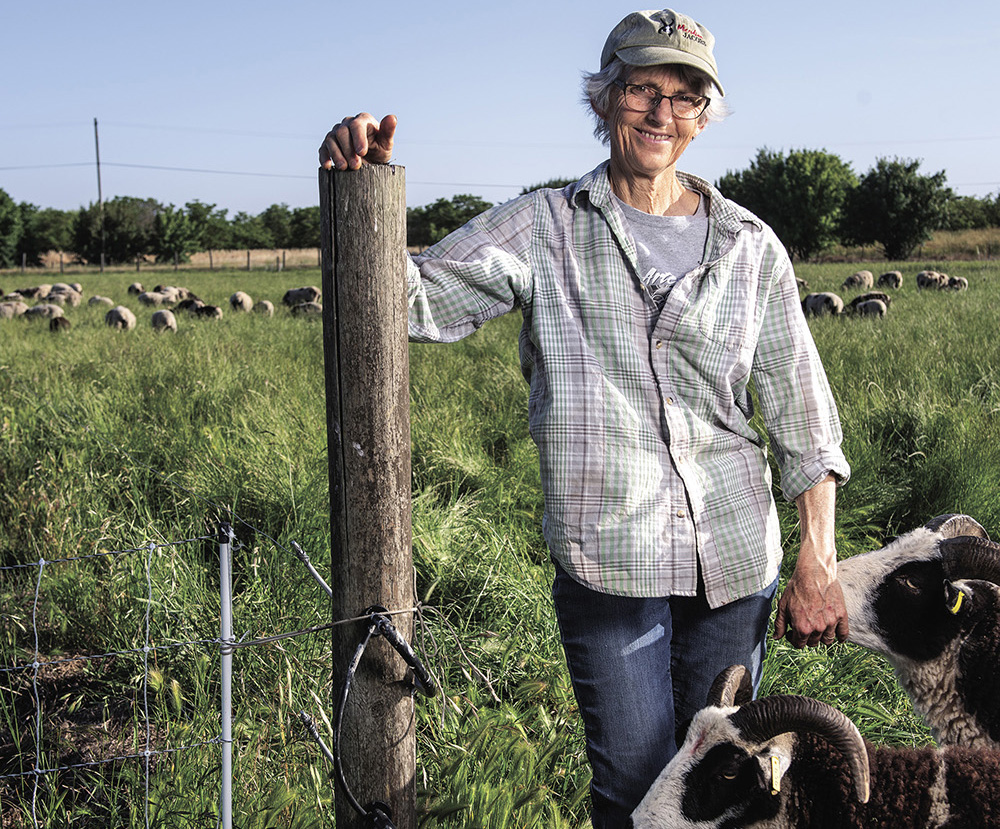
Robin Lynde
Photo/Paulo Vescia


By Robin Lynde
Solano County sheep rancher
We had 2 inches of rain a few weeks ago. The pasture is green from the seeding that we did last fall, and it’s growing well. The areas where there isn’t irrigated pasture, you can see it greening up. Normally around this time of year, we might stop grazing because if we get a lot of rain, the water just sits there. It’s not good for the pasture to be too soggy and for the sheep to be walking through it. Last fall we did some pasture renovation, so our pasture looks good. We had an open ditch. Now we have a pipeline. We can irrigate better. It’s like moving into a new world because the pasture looks great still.
While we’re in the Solano Irrigation District, our water comes from Lake Berryessa. Whether you’re agriculture or residential, there’s all this talk about how the water will be limited in upcoming years. We can certainly irrigate more efficiently now, so we just have to assume that we’re going to get enough water. We didn’t use it all this season. The main potential challenge is if there’s any dramatic change to the water allocation for irrigation because we do rely on irrigated pasture. In the Sacramento Valley, if we don’t irrigate in the summer, there won’t be anything left.
I’m a sheep farmer, but I’m also a weaver, and I do sell the wool. I sell my products from the farm to individual customers. Everything I do is direct marketing, and that takes a lot of time. I also teach spinning and weaving and all the related stuff that goes along with it. People are interested in the sheep. People are interested in the wool. But my focus is the fiber, even though I also sell lambs for meat. When you’re direct marketing, you’ve got to add a little time for social media and the website, which is why I’m sitting at my computer and trying to get a newsletter out.
See related news stories...
• From the Fields: Ryan Indart, Fresno County almond and sheep farmer
• Waste wool finds alternative use as fertilizer pellets
• 'Shaggy mountain cows' prized for meat, other uses





.svg.png)
