


From the Fields - Mitchell Yerxa


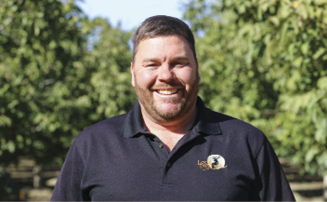
By Mitchell Yerxa, Colusa County farmer
We just finished harvesting our rice and walnuts. We had a good rice-growing year. We felt the yields were as they should be. We had good head quality. We had enough water to make it through, which was very exciting.
Walnuts, we felt the nut quality was down, and our yield was down a little bit. I just don’t think you could have as much heat as we had that close to harvest and not have some problems. That late heat, the 110-112-degree days were a little tough on the trees when they were at a full nut set. Across the valley a lot of growers are saying they thought their quality wasn’t as good this year as it was last year. We felt like the meat was a darker color, so a lower-quality nut.
We are planting wheat. We always plant wheat in front of tomatoes, which is our way of drying out the soil ahead of planting tomatoes next year. Usually, we wait for a storm to pass through. Once the ground has soaked up the moisture, then we’ll work the ground, plant the wheat, and then hopefully get a nice fall rain.
We are starting pecans next week. Unlike walnuts or almonds, if pecans don’t want to come out of their hulls, you can’t bring them onto the ground before they’re ready. Ours are not quite ready yet. They usually say that pecans are ready to come down after your first good freeze.
Our trees are still young; we planted them seven years ago. They take about seven years of maturity, so we’re at the point where we’re starting to get yields. They’re fairly similar to a walnut. If yields were decent in walnuts, then I would imagine the yields would be decent in pecans. There’s only 4,000 bearing acres of pecans in California, so there’s not very many of us to try and figure out how all this works out. We’re still learning.





.svg.png)
