


State vet reflects on her work as animal health chief
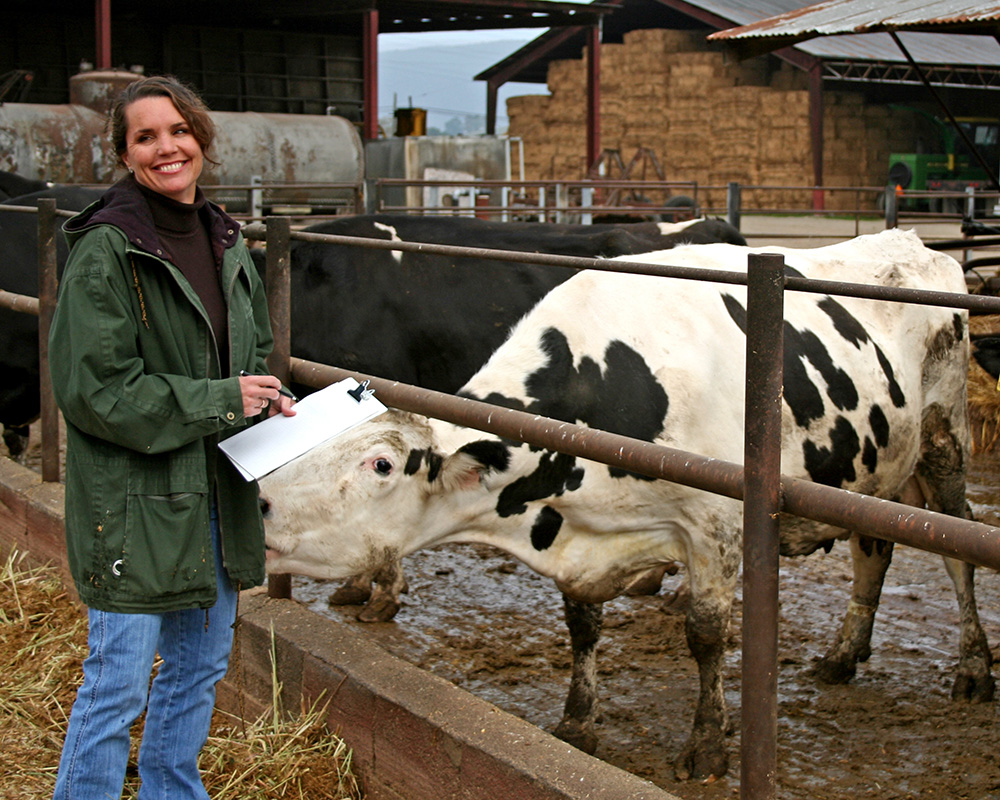
State Veterinarian Annette Jones is set to retire at the end of the year as California’s chief animal health official. She first joined the California Department of Food and Agriculture in 2001.
Photo/Courtesy of Annette Jones


By Annette Jones
“I have run a good race.”
I heard that in church last week and wondered, what does that mean as I approach retirement after almost 20 years as California state veterinarian?
I can honestly say that my belief in California agriculture and serving the public has consistently come first for me. I reliably stepped up to the plate when called upon. I never quit even after making mistakes. I learned. But I was also surrounded by opportunity, good mentors and talent in my entire career. I was given the chance to run a very good race.
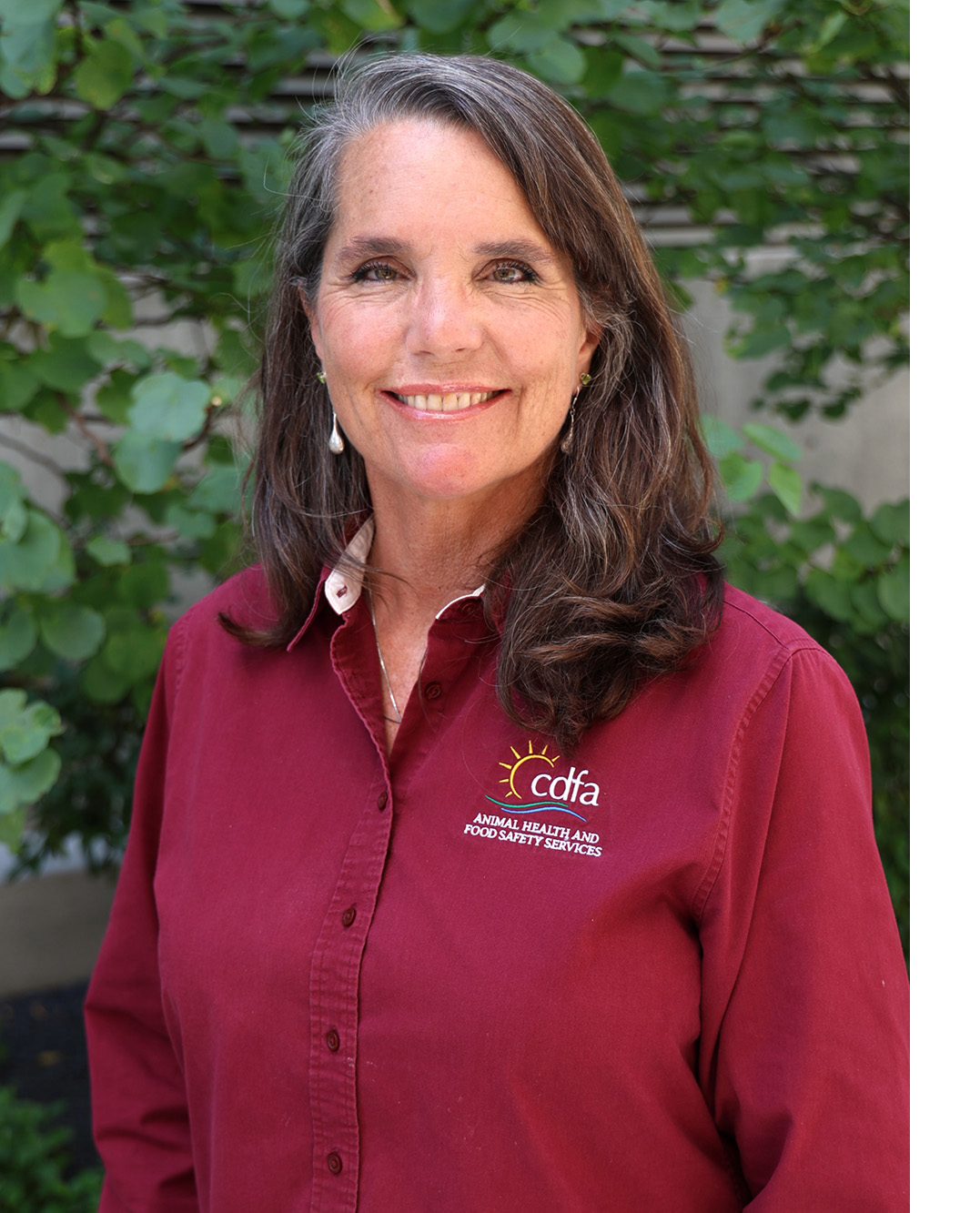
In 2001, when I joined the California Department of Food and Agriculture, the United Kingdom was experiencing a devastating outbreak of foot-and-mouth disease, or FMD. While our more seasoned veterinarians traveled there to assist, I was paired with one of the most experienced veterinarians in the country to draft the state’s FMD plan. The stories coming back from the UK were devastating and foundational: Outbreaks affect people, not just their animals.
That was also the year we were shocked and saddened by the 9/11 terrorist attacks. We became aware of plots that considered anthrax, FMD and botulism as agroterrorism weapons to destabilize the U.S. We looked at vulnerabilities and hardened targets where we could. While we were worried about intentional introductions of disease, California faced naturally occurring cases of anthrax in cattle, highly pathogenic avian influenza in a turkey breeding flock and tuberculosis in cattle.
Fortunately, in those early years we had some wins. One of my favorites occurred when industry experts, university veterinarians and CDFA worked together to eradicate low-pathogenic avian influenza from poultry with more stringent biosecurity measures and vaccination.
My opportunities to serve agriculture and the people of this state continued when I was deployed to Southern California as incident and area commander during the Newcastle disease outbreak in 2002 and 2003. I was mentored in emergency management techniques by some of the best CalFire commanders as we scrambled 1,500 state and federal employees to successfully prevent this deadly virus from getting a foothold in North America.
This was the first large-scale use of the Incident Command System for an animal health event. This outbreak and a similar one that occurred 15 years later required genuine commitment to the correct course of action because the decisions made for the good of all poultry owners in North America were excruciatingly painful to those in the path of the outbreak.
California’s first detection of bovine spongiform encephalopathy, sometimes referred to as “mad cow disease,” came in 2012. While it affected just one cow, it brought a particular appreciation for the importance of credible government programs in the face of trade embargoes triggered by high consequence disease.
When representatives from multiple key trading partners visited to verify our systems, they were consistently satisfied that our brand inspection, or cattle ownership verification, milk and dairy food safety, rendering and animal health monitoring systems were beyond reproach. Interestingly, they also found it important that the state had a cooperative relationship with the federal government. Regardless of politics, at the working program level, we always strive for mutual respect and cooperation because to ultimately succeed, the U.S. Department of Agriculture needs us, and we need them.
Besides these early experiences, my career at CDFA included many other disease outbreaks in a number of livestock and poultry species; natural disasters; the COVID pandemic; antibiotic resistance; meat, dairy and egg recalls; and other challenges. They all required teamwork, science-driven decision-making, the commitment to do what is best for public health and the future of agriculture, and clear communication. They all required talented and dedicated staff and partners to successfully address.
The biggest challenge of my career began in 2022 and escalated each year thereafter as we face a new strain of highly pathogenic avian influenza. The virus exploded through dairies and poultry flocks last winter despite efforts to reduce impacts, testing the resilience of our farmers and staff like no other outbreak has. While the disease impacts are distressing, it is rewarding to wrap up my career with a renewed appreciation for how proactive our producers and processors can be—and how talented the CDFA and USDA teams are.
Looking forward, my hope is that the spirit of cooperation continues as California farmers and ranchers face new threats and that we keep focusing on getting the job done with mutual respect. I am confident in the excellent staff that will carry on the CDFA Animal Health and Food Safety programs. An early mentor told me that you can survive as state veterinarian through openness to change and by being true, listening to others, making science-based decisions and being respectful—words I have tried to remember in this 20-year race.
Annette Jones is the state veterinarian for the California Department of Food and Agriculture. She can be reached at annette.jones@cdfa.ca.gov.
See related news stories...
• Southern California a focus in screwworm preparedness
• Dairies use IVF to tap strong beef market
• State Senate hears about response to bird flu outbreak






.svg.png)
