


Nationwide News: Protect your herd from New World screwworm spread
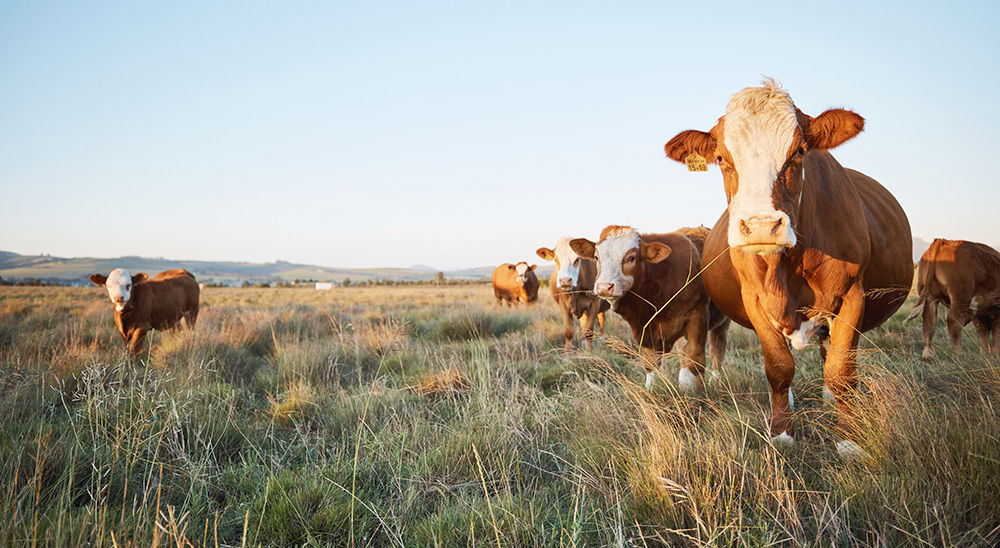
Photo/Licensed image


The following information is provided by Nationwide®, your approved insurance and financial services company.
The New World screwworm, or NWS, is a growing concern for cattle producers, with its recent spread northward from Panama into Mexico. Confirmation of the first human case in the U.S. in August shows the pest is a reality for not just the U.S. cattle industry but also other livestock, wildlife, pets and people.
How does New World screwworm harm animals?
NWS is a parasitic fly whose larvae infest open wounds on warm-blooded animals, feeding on live tissue. This infestation causes severe pain, tissue damage and even death if untreated. Cattle, especially newborns such as young beef or dairy calves, are particularly vulnerable. The parasite is zoonotic, meaning it can be transmitted across species, such as between cattle and humans.
After the U.S. Department of Agriculture closed the U.S.-Mexican border to livestock trade in July to help prevent its spread, the U.S. Department of Health and Human Services confirmed the first human case of NWS in the United States in August. The individual had recently traveled to El Salvador, and the case was confirmed by the Centers for Disease Control and Prevention and Maryland Department of Health. The parasite has not been reported in U.S. livestock this year.
 Why ranchers and dairy farmers should be concerned about New World screwworm
• Economic impact. USDA estimates NWS threatens more than $100 billion in U.S. livestock-related economic activity. Further economic impact in the form of higher consumer beef prices is possible if cattle trade remains disrupted for an extended period.
• Livestock mortality. Infestations can lead to high mortality rates, especially in young or injured animals.
• Wildlife spread. Migratory animals can carry NWS across borders, making containment difficult.
What ranchers and dairy farmers can do to prevent NWS damage and losses
Effectively preventing NWS in a cattle herd is an effort on multiple fronts. Watch for a few key symptoms, including irritated behavior, head shaking or biting or licking wounds. If you see large numbers of larvae or egg masses in and around open wounds—including where they’ve been branded, castrated or dehorned, or around umbilical cords or genital areas—that’s a sign animals are experiencing negative health effects. As with other illnesses, infected animals may stop eating or segregate themselves from the rest of a herd.
“Surveillance and early detection are so important to preventing economic losses from NWS,” said Nationwide Senior Dairy Consultant Dan Rice. “Even if you’re not 100% certain but see some of the telltale symptoms, report cases to your veterinarian immediately. This will help contain its spread.”
There isn’t currently a veterinary drug approved for NWS. But veterinarians can administer products labeled for other fly infections to prevent myiasis, or when a fly strikes an animal to begin feeding on host tissue. The U.S. Food and Drug Administration has a list of approved treatments that, though considered “extra-label,” can help prevent NWS damage.
What’s being done to stop NWS around the country
After the first U.S. case was confirmed, agriculture officials announced an enhanced strategy to prevent the spread of NWS. The plan includes:
• A $100 million investment in new technologies.
• Construction of a sterile fly production facility in Edinburg, Texas, capable of producing 300 million sterile flies each week.
• Strengthened border protections with expanded patrols or “tick riders,” as well as newly trained detector dogs.
“This strategy focuses on surveillance and aims to strengthen protocols to keep NWS from crossing into the U.S.,” Rice said. “Until there’s adequate supply of sterile flies to help eradicate the pest, it’s best for ranchers to stay watchful for NWS and report any potential infection to their veterinarian or other local animal health experts.”
See more about NWS at screwwormtx.org/identification. Talk to your veterinarian, local extension livestock specialist or Nationwide Farm Certified agent at farmagentfinder.com to learn more about how you can help keep NWS away from your herd and take the right action if it does infect your animals.
Visit AgInsightCenter.com for more resources and expert tips to help you run a successful business and maintain the safety of your operation.
Nationwide, the Nationwide N and Eagle, and Nationwide is on your side are service marks of Nationwide Mutual Insurance Company. © 2025 Nationwide
See related news stories...
• News Briefs: New World screwworm, endangered species, groundwater, annual meeting, prescribed fire
• USDA halts Mexican cattle imports due to parasitic fly
• Record-high beef prices keep cattle population down






.svg.png)
